The Varnero faranji

We flew into Addis late at night on July 28. The middle school principal and a driver met us in the airport parking lot and chauffeured us to our new home in the Lebu district of southwestern Addis Ababa.

A street in Lebu

A street in the Lebu neighborhood, where we live.

The concept of apartments for ICS teachers is new.  Until recently, the school leased individual houses near campus for all of the overseas teaching staff.  But over the last few years, an increasing number of NGOs and overseas corporations have been placing staff in that neighborhood, and rental prices have skyrocketed. ICS still offers houses to couples with more than one child, but singles, couples, and us – the only teaching family with one teenager – are now being moved into apartments.

The school arranged with an Italian developer, Mr. Varnero, to reserve an entire new apartment building for ICS teachers.  The building is part of a larger development of apartments, townhouses, and villas.  Of the 12 units in the ICS building, 9 are occupied so far.  Most of our neighbors are new overseas hires like us.  We call ourselves the Varnero faranji  (faranji being the Amharic word for foreigner).

Varnero is a kind of faranji oasis in Addis, sort of a compound.  Addis in general has a very organic, unplanned – you might say chaotic – look about it.  In contrast, Varnero is trim and neat with a lot of 90 degree angles.  I’m not keen on the idea of compound living, but our apartment is still a nice place to come home to.
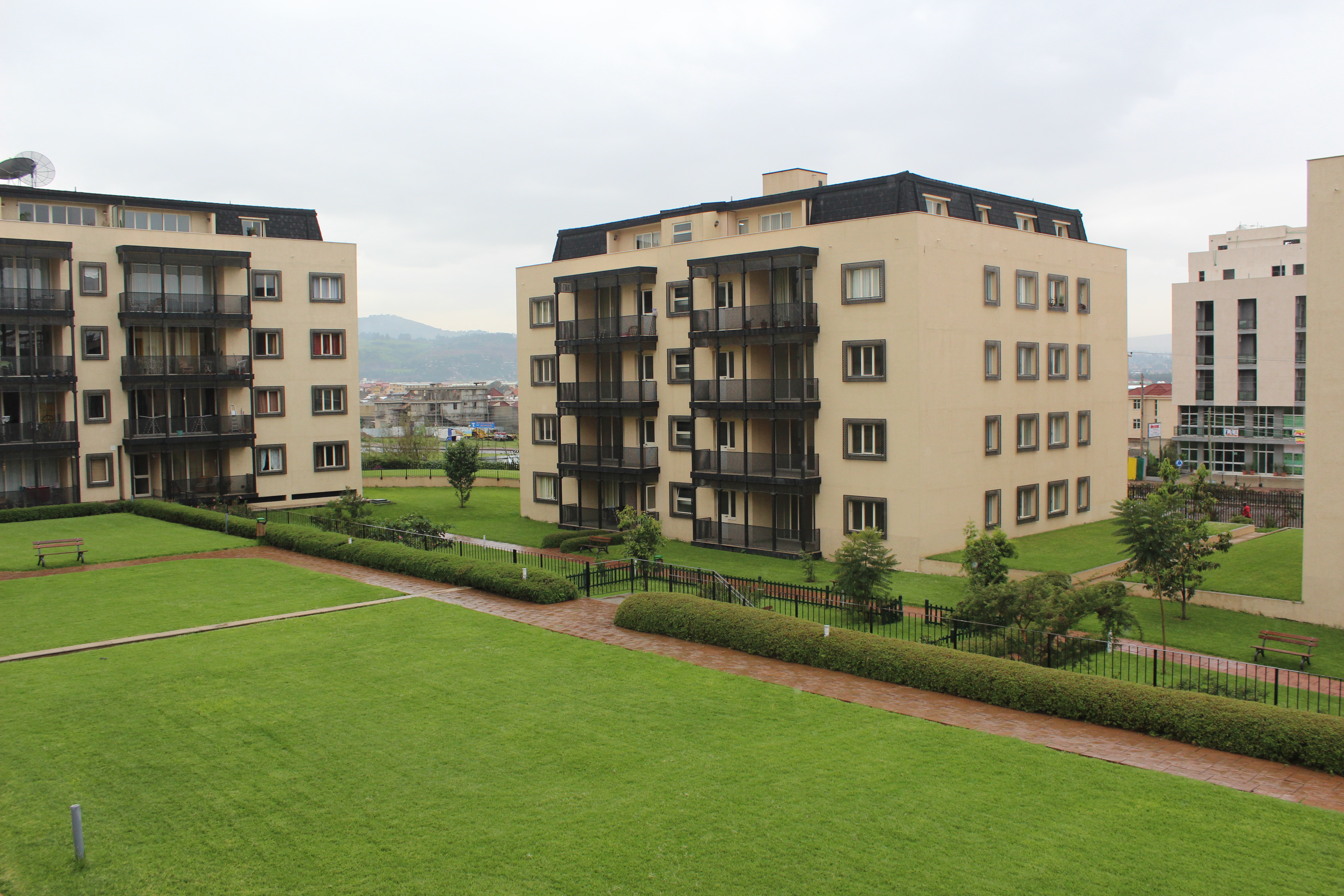
Varnero apartments

Varnero apartment complex, from our balcony. Our building is exactly like these.

Posted in Addis Ababa, Ethiopia, Home life | 1 Comment

Junk in the trunk

Ethiopia is a land-locked country.  The nearest ports are in Eritrea and Djibouti.  Ethiopia and Eritrea don’t get along so well these days, so goods shipped via boat from overseas come through the port in Djibouti.  All summer long, while trying to figure out how to get our stuff from Medford to Addis Ababa, Andreas had multiple occasions to mention Djibouti.  And you can be sure that he made the most of every opportunity to do so.  There are plenty of amusing ways to use Djibouti in a sentence.

After goods arrive in Djibouti, they are sent on by rail or truck to Ethiopia.  Straightforward enough, except that new regulations have slowed the process to a crawl in recent months.   There are hundreds of container shipments destined for Addis now being held at customs in Djibouti.  That’s a lot of stuff to have stuck in Djibouti, as Andreas would be quick to point out.

Fortunately, we decided it would be more economical for us to send our belongings directly to Addis by air freight. But the new kitchen cabinetry and appliances that the Italian developers of our apartment complex ordered from Italy for installation this summer are still not here.  All the Varnero apartments are operating with temporary kitchens.  We have the essentials – refrigerator, basic stove with oven, microwave, and sink – but we’re using folding tables instead of proper counters, and we have no cupboards or drawers.

The school’s director sent a message to the Varnero faranji last week with an update on the kitchen status:

FYI: the kitchen cabinets and ranges made it up from Djibouti to Modjo, about 40 km outside of Addis, but apparently are stuck there, unidentified. Hopefully they will be found and installed soon! Jim

So now that we’ve got Djibouti in gear, I guess our new mantra is: Get your Modjo workin.

Posted in Addis Ababa, Ethiopia, Home life | Leave a comment

Here we go again…

This time around I’m not going to apologize for letting the blog languish.  One thing I’ve learned is that acclimating to a new country takes a little while, and during that adjustment period it’s hard for me to muster up any narrative energy.

But here I am, about five weeks into my new assignment, finally ready to start reporting again: this time coming to you from Addis Ababa, Ethiopia.

map of Africa

Click on this map to get a clearer view.

Ethiopia is in East Africa, in the pointy bit of the continent jutting out to the east called the Horn of Africa.  Ethiopia was Abyssinia in ancient times. Its neighbors are Eritrea, Djibouti, Somalia, Kenya, and Sudan.

map of Ethiopia

Addis (as it’s called for short) is almost right smack in the center of the country. It is sited in a mountainous area at elevation 7650’. Addis is a new city, having only been founded in 1887.  The story goes that the wife of King Menelik II was so taken with the mimosa trees and natural hot springs that she convinced her husband to build his palace here. They named the city Addis Ababa, which means New Flower.  The population is about 3 million, making it one of the biggest cities on the continent.

Now that we’re oriented, I’ll see if I can keep up a regular pace with my postings.  I know I have a lousy track record.  But maybe this time we’ll be able to stay a little longer, and that will make it easier to stick with the plan.

Posted in Addis Ababa, Background, Ethiopia | 1 Comment

Kaymak

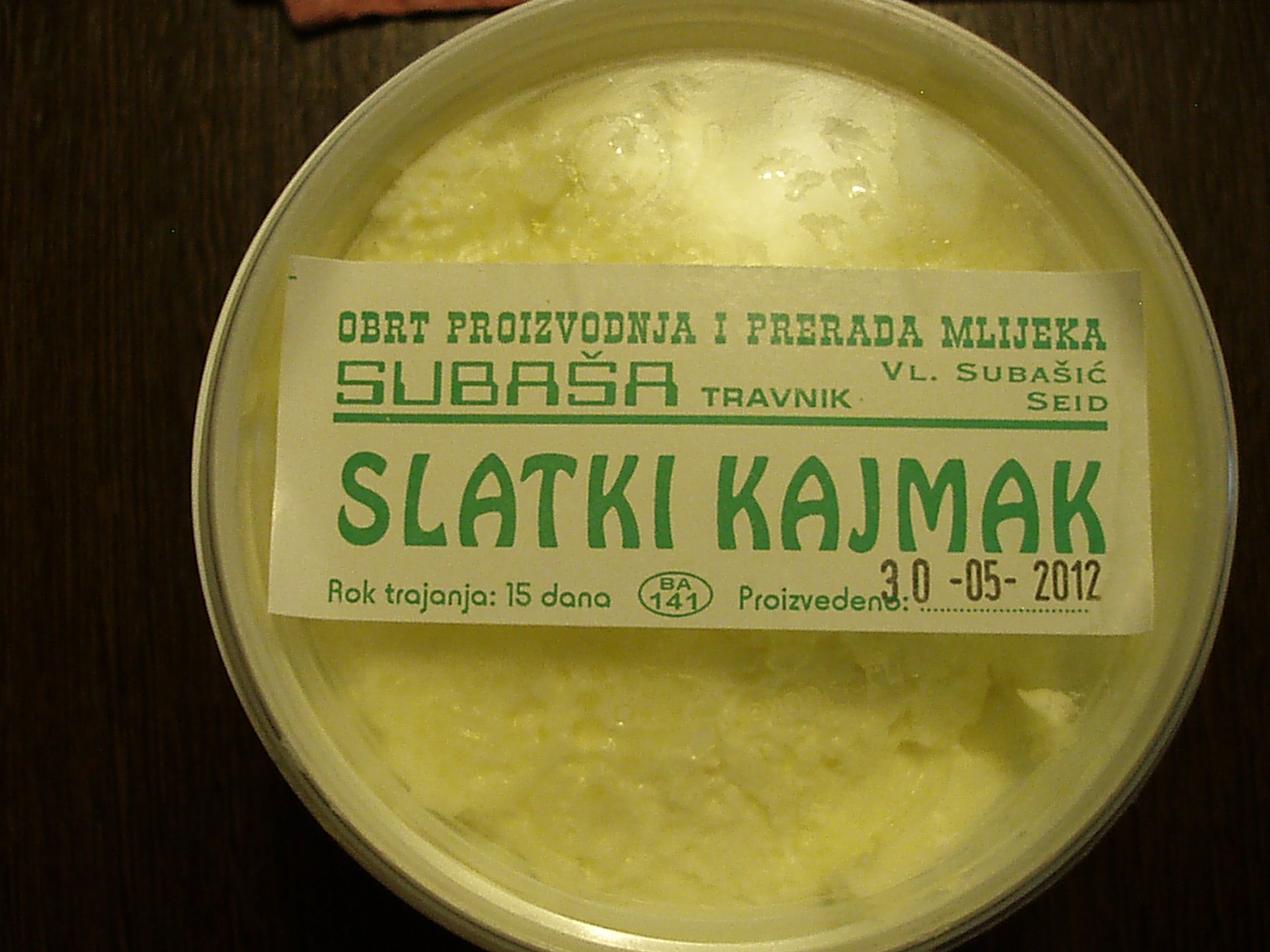
Kaymak is a rich, creamy dairy product that is traditional in Bosnia. It’s classed here as a fresh cheese, but what it most closely resembles is English clotted cream. You can buy it either salted or sweet (meaning unsalted).

slatki kaymak

Slatki is the unsalted kind.

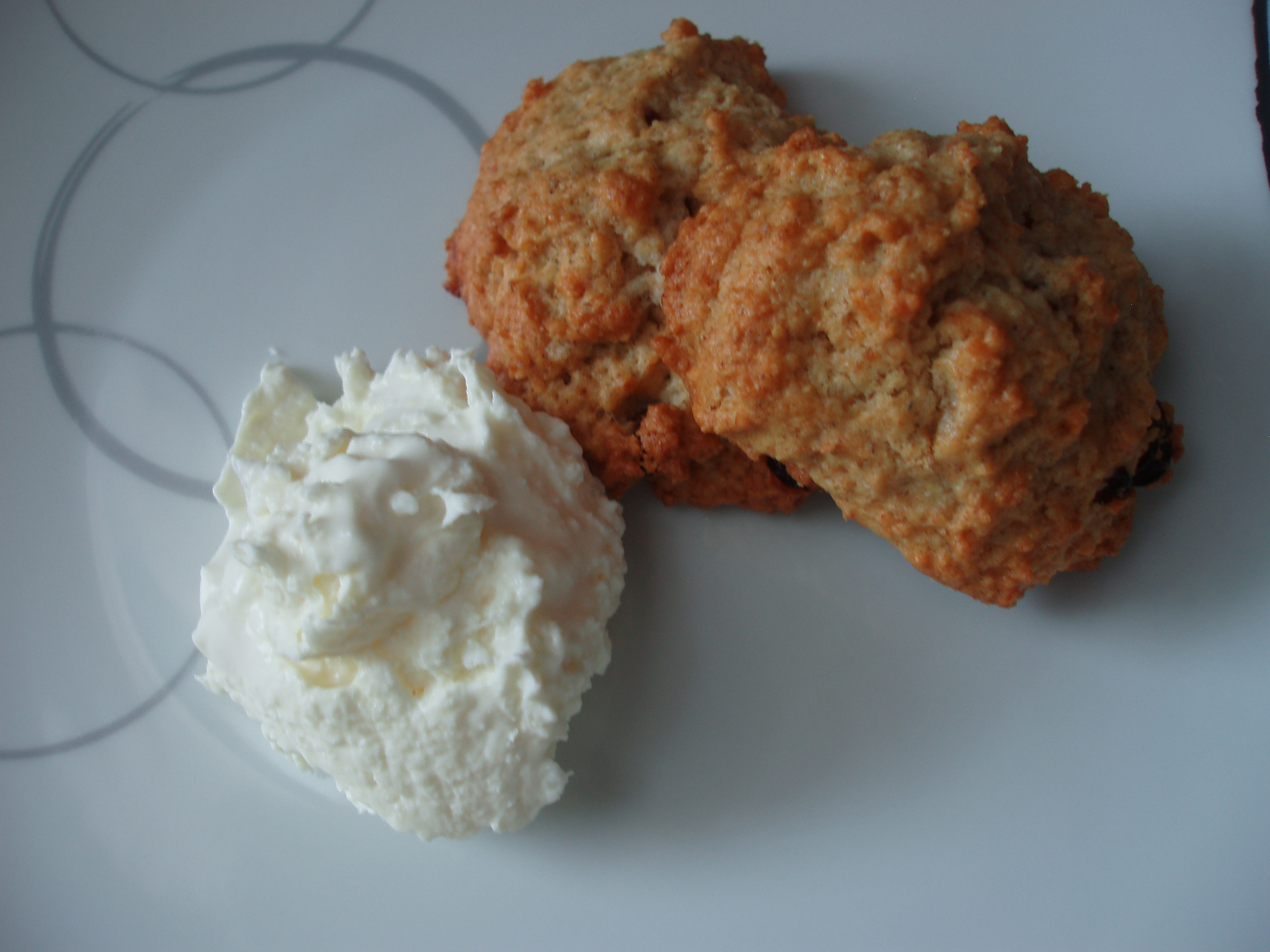
Kaymak famously accompanies cevapcici (ground beef sausage sandwiches; see my earlier post on this important topic) and the dough fritters called uštipci.  With cevapcici, you’ll get the salted kaymak, with uštipci, the sweet.  I have discovered that kaymak is also delicious with an omelette or as a spread for scones (like clotted cream). Actually it is probably delicious with just about anything.

scones and kaymak

Homemade scones with kaymak… yum.

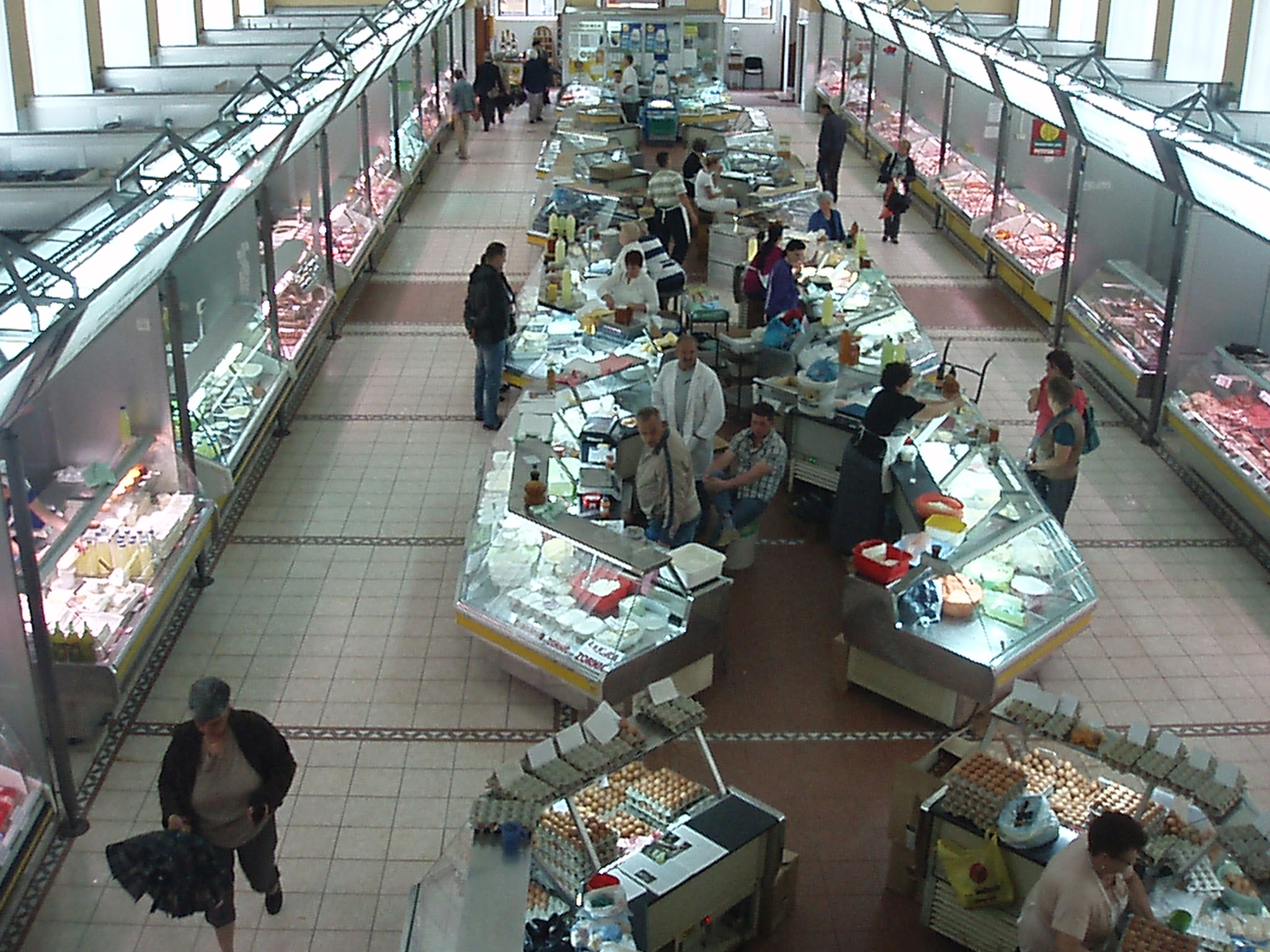
You can buy mass-produced kaymak at the supermarket, but it’s so much better fresh and so widely available that I can’t imagine why anyone would buy it that way.  I get ours at the Gradska Tržnica Markale meat and dairy market hall where the friendly cheese ladies always offer me tastes.

Markale market

Posted in Bosnia, Food | Tagged | Leave a comment

Three bridges and a tunnel, part 1 – The Latin Bridge

It’s one of those factoids you learned in high school. In wiki words, World War I began with “the assassination on 28 June 1914 of Archduke Franz Ferdinand of Austria, the heir to the throne of Austria-Hungary, by a Yugoslav nationalist in Sarajevo, Bosnia and Herzegovina.”

Archduke Franz Ferdinand

Archduke Franz Ferdinand

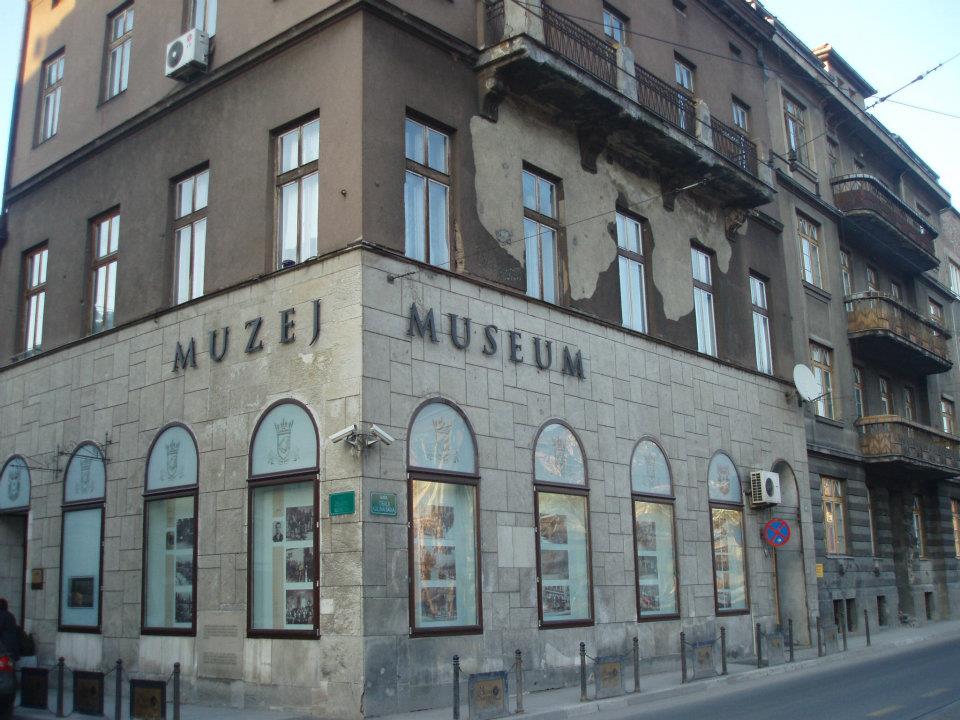
The shooting occurred at the Latin Bridge, in the old part of the city.  The Archduke and his wife Sophie were being driven in a car, not on the bridge itself but at the corner where the bridge meets the street that follows the river. There is a plaque at the intersection now and a small museum dedicated to the assassination in the building opposite.

The photos in the windows tell the story of the assassination.

In 1914, Bosnia had recently been annexed by the Austro-Hungarian empire and the Archduke was here on a state visit.  The assassin, Gavrilo Princip, belonged to an organization that wanted to create a combined Serbia-Bosnia-Croatia, like Yugoslavia was to be later in the 20th century.  During the Yugoslav era, the Latin Bridge was renamed the Princip Bridge, after the assassin.  It is back to its old name of Latin Bridge now.

There has been a bridge at this site since before 1541; the current bridge was rebuilt in 1798/99.

It seems like these days the Archduke has achieved a kind of mini-meme status.

First there was the John Green young adult novel An Abundance of Katherines, in which the archduke’s final resting place is located in Gutshot, Tennessee.

An Abundance of Katherines book cover

[spoiler alert] This is not factually true, in case you were wondering; read the book for more details.  All is revealed at the end.  In reality, Franz Ferdinand and Sophie are predictably entombed in Austria’s Artsetten Castle. I felt compelled to look it up, just to make sure, when a 14-year-old local Bosnian boy mentioned to me that the Archduke is buried in the USA.  Timur maintains he has never read An Abundance of Katherines nor has he ever heard of John Green and cannot remember where he got this bit of information.  I wonder if Mr. Green knows he’s set off an international urban legend. [end spoiler alert]

Folklore about the assassination has been around for a while.  If you’re interested, check out this article in Britain’s Fortean Times.

There is also the Scottish band Franz Ferdinand to consider.  A band member says: “I like the idea that, if we become popular, maybe the words Franz Ferdinand will make people think of the band instead of the historical figure.” Hunh.   Be that as it may, the band wrote a song about their namesake:

B-side material, for sure, but still it’s more fame than the Archduke might have accrued if he hadn’t been shot on a Sarajevo streetcorner.

The emperor’s last words are said to be “It is nothing, it is nothing.”

Well, it turned out to be something.

Posted in Bosnia, Sarajevo | Tagged , | 2 Comments

Burek

Mmm.  My favorite Bosnian lunch.  Or breakfast. Or snack. I’m pretty flexible that way.

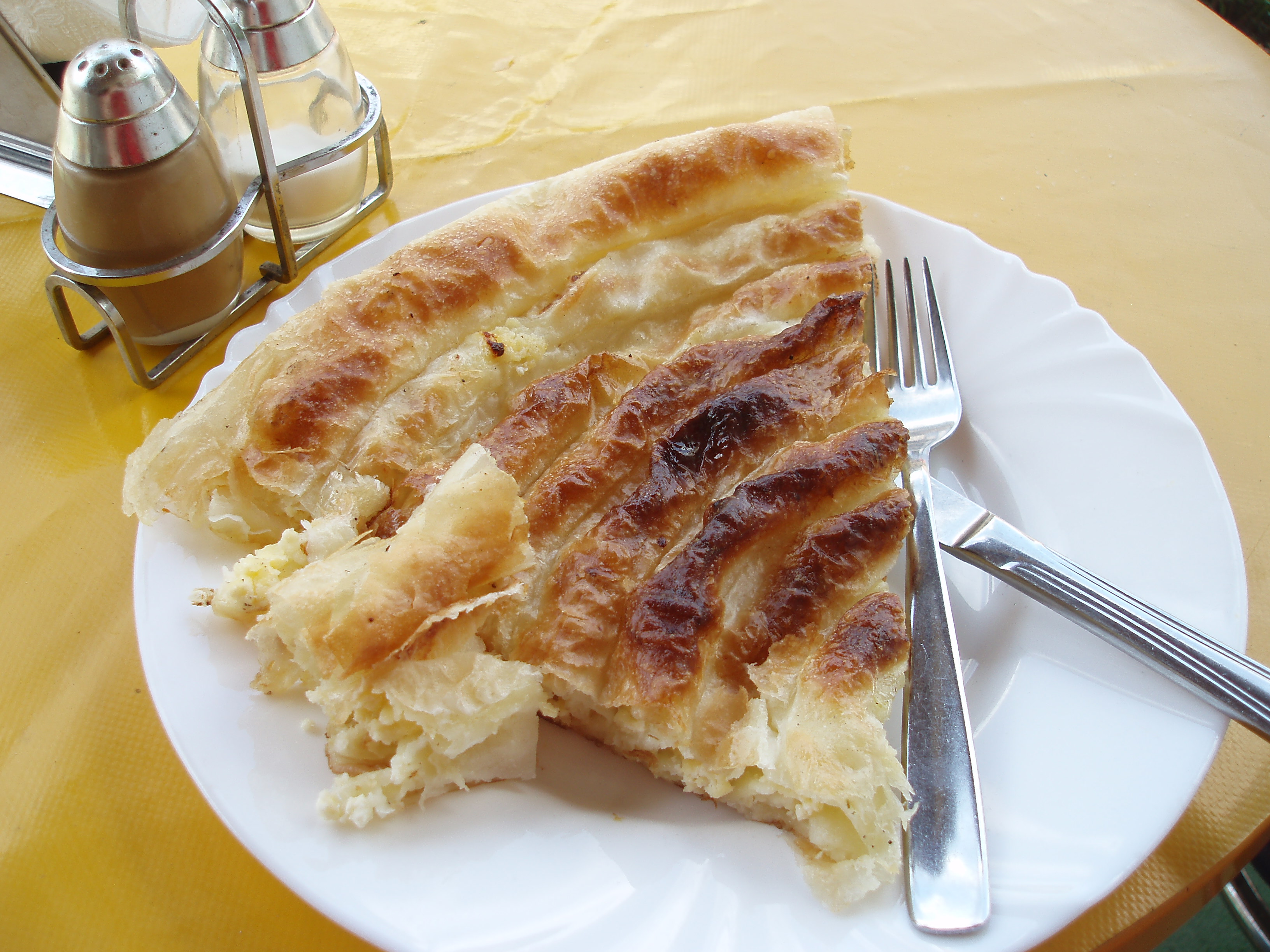
Burek is a savory filling wrapped up in fillo.  The long rolls are curled around in a spiral and baked.  Fillings can be potato, ground meat, cheese, or (my favorite) spinach and cheese.  It’s a lot like spanakopita, just in a different shape.

The spirals can be small, to form individual burek:

Or the roll can be shaped into a giant spiral and sliced into wedges after baking:

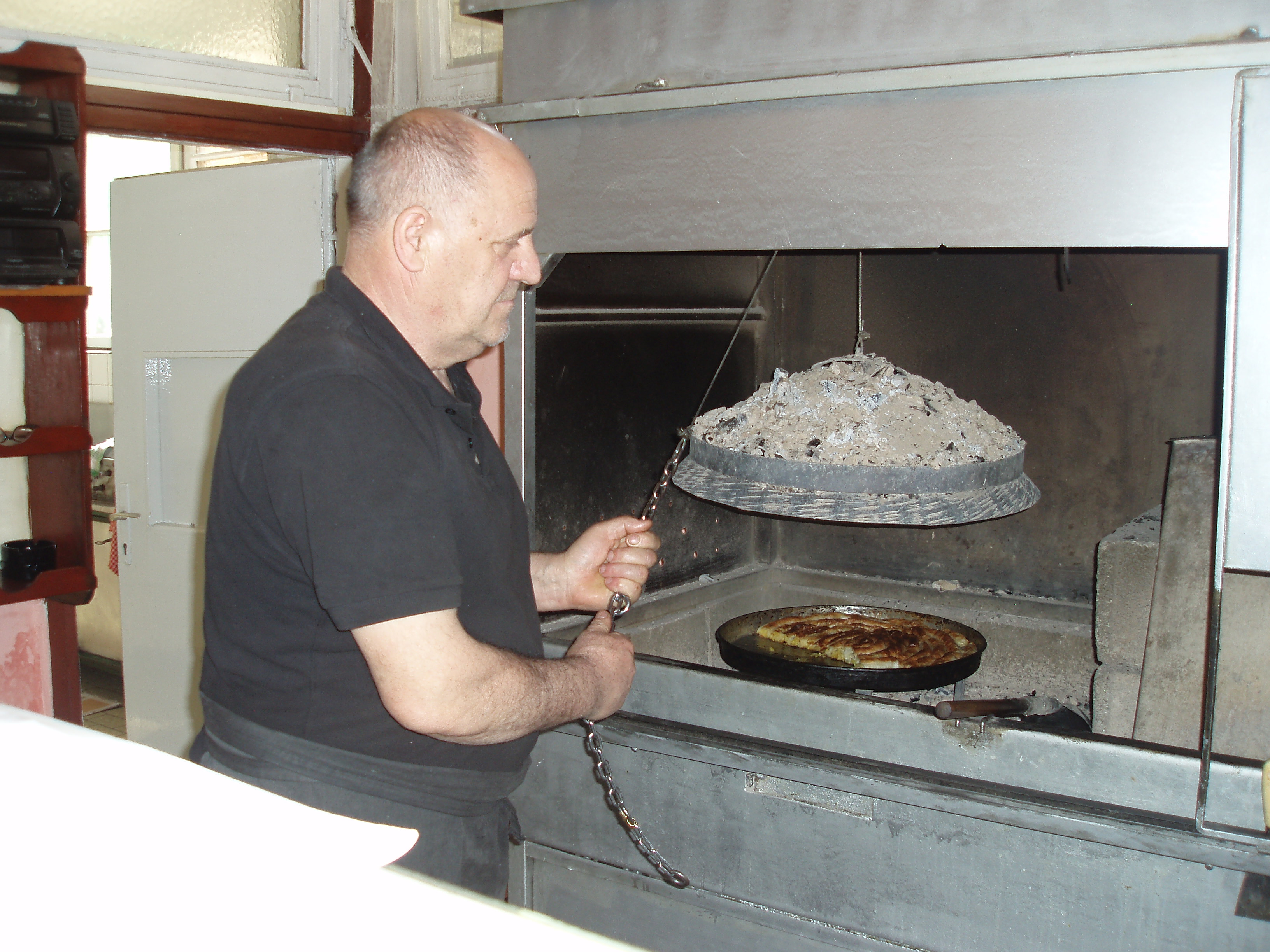
The large burek are sometimes baked like this, in a covered steel pan with hot coals piled on top like a camp-style Dutch oven.

People also make these at home; there was more than one tray of them at a school potluck the other day.  But I’m not going to go to all that trouble when I can buy an excellent one at the corner buregdzinica for about 80 cents.  They open early and keep the burek warm all day.

Next to cevapci, they are probably the most popular street food in Sarajevo.

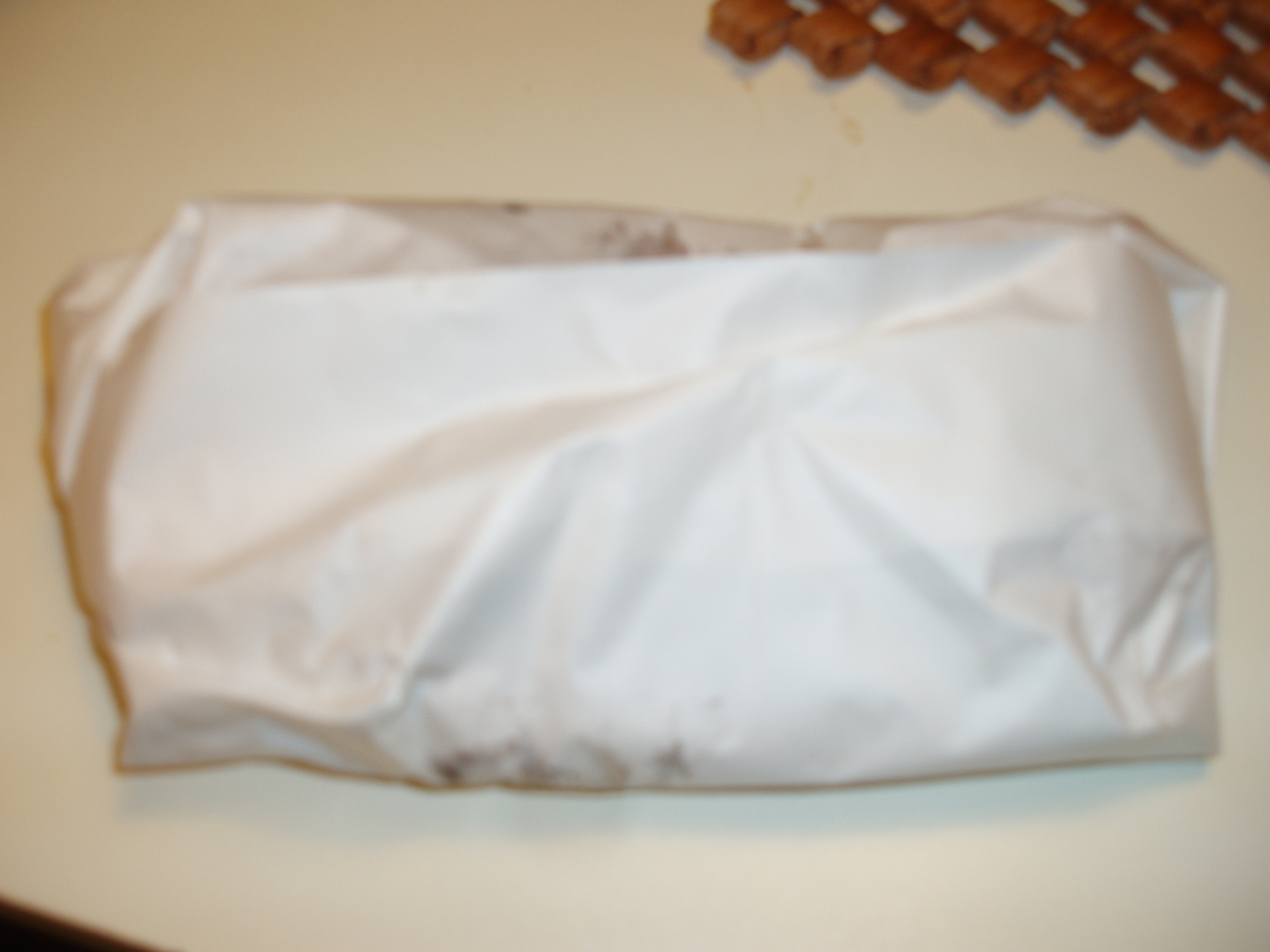
Meat ones are sometimes served on a plate with yogurt sauce.  I get my spinach one wrapped in a twist of white paper to take home. It won’t have time to get cold.

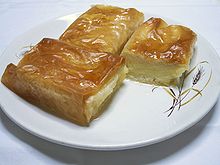
I recently figured out that I’ve encountered the name before; it’s the boureko in the Greek custard pie dessert called galaktoboureko (gala is Greek for milk).

Posted in Bosnia, Food, Sarajevo | Tagged , | Leave a comment

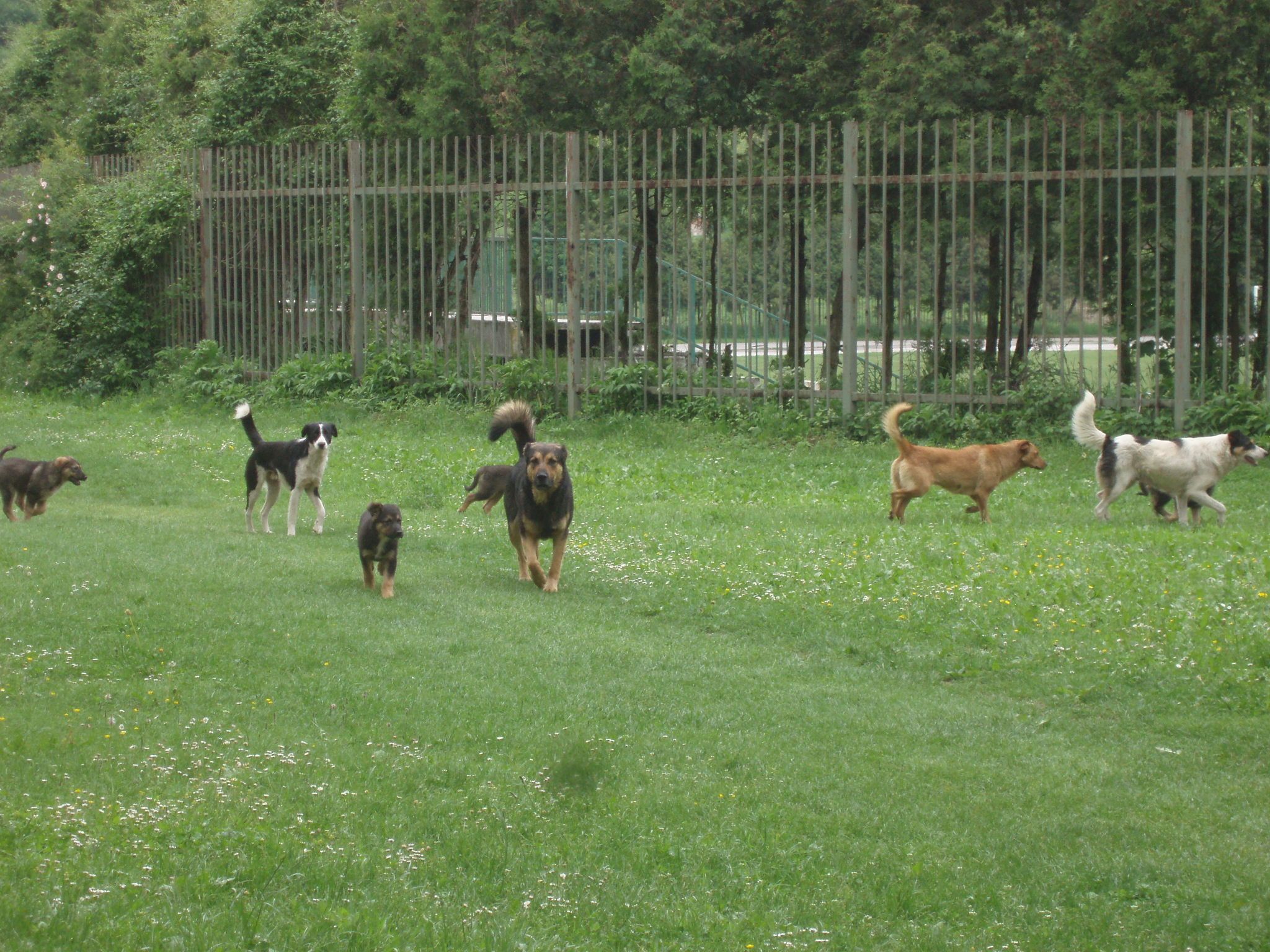
Dogs of war

I went up to QSIS yesterday morning to help Andreas’s students with their senior papers.  I counted thirty dogs on my two-block walk from the bus stop to the campus.

A vacant lot down the street from QSIS

There were already some stray dogs in Sarajevo before the war.  But during the siege, hundreds – perhaps thousands – of pets joined their ranks when homes were destroyed, owners died, or families were unable to feed their animals.

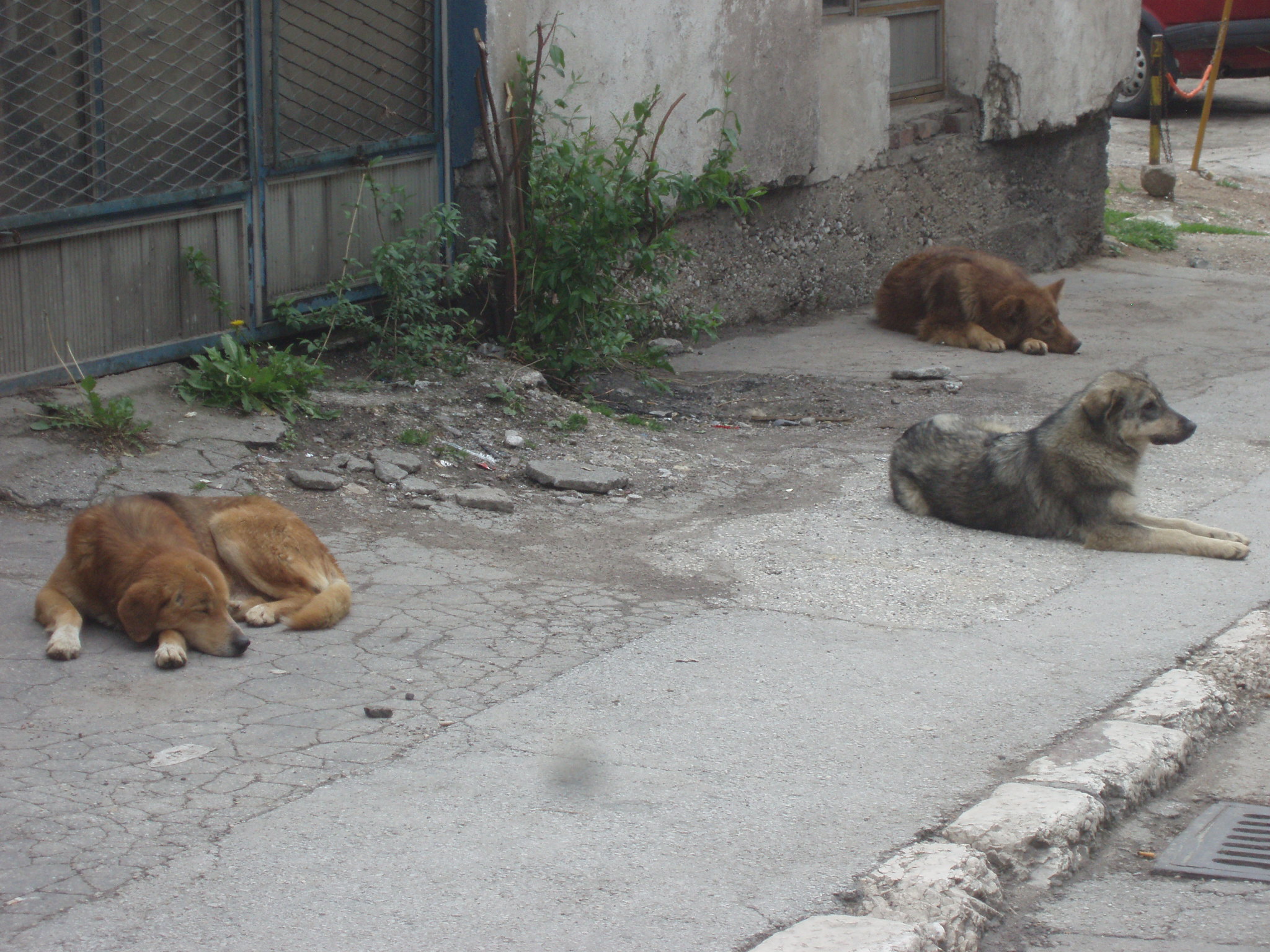
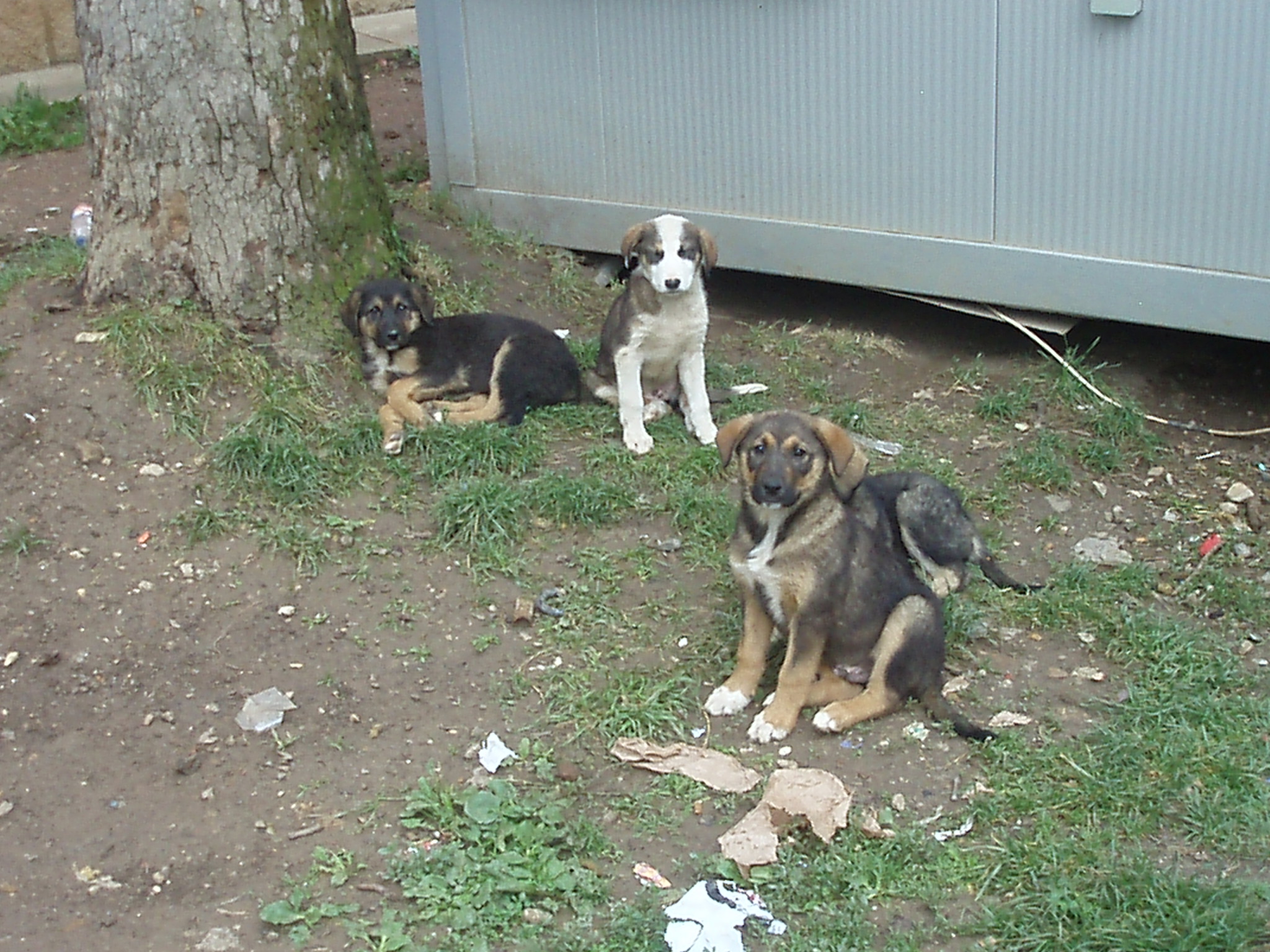
After 20 years, the stray dogs in the city have averaged out to a sort of generic type.  Where there were probably all sorts of purebred shapes and sizes to begin with, natural selection has resulted in a medium to large shepherd-ish animal with longer, extra-thick fur.

The dogs seem to find enough to eat in the unsecured trash bins and dumpsters around the city. If you look friendly they will sometimes come nosing around for a handout.  I’ve seen diners at sidewalk cafes slip them a bite (no need to take that doggy bag all the way home), and some generous people have set up neighborhood feeding stations.  There’s one across the street from the international school, which explains the extra-high concentration of dogs there.

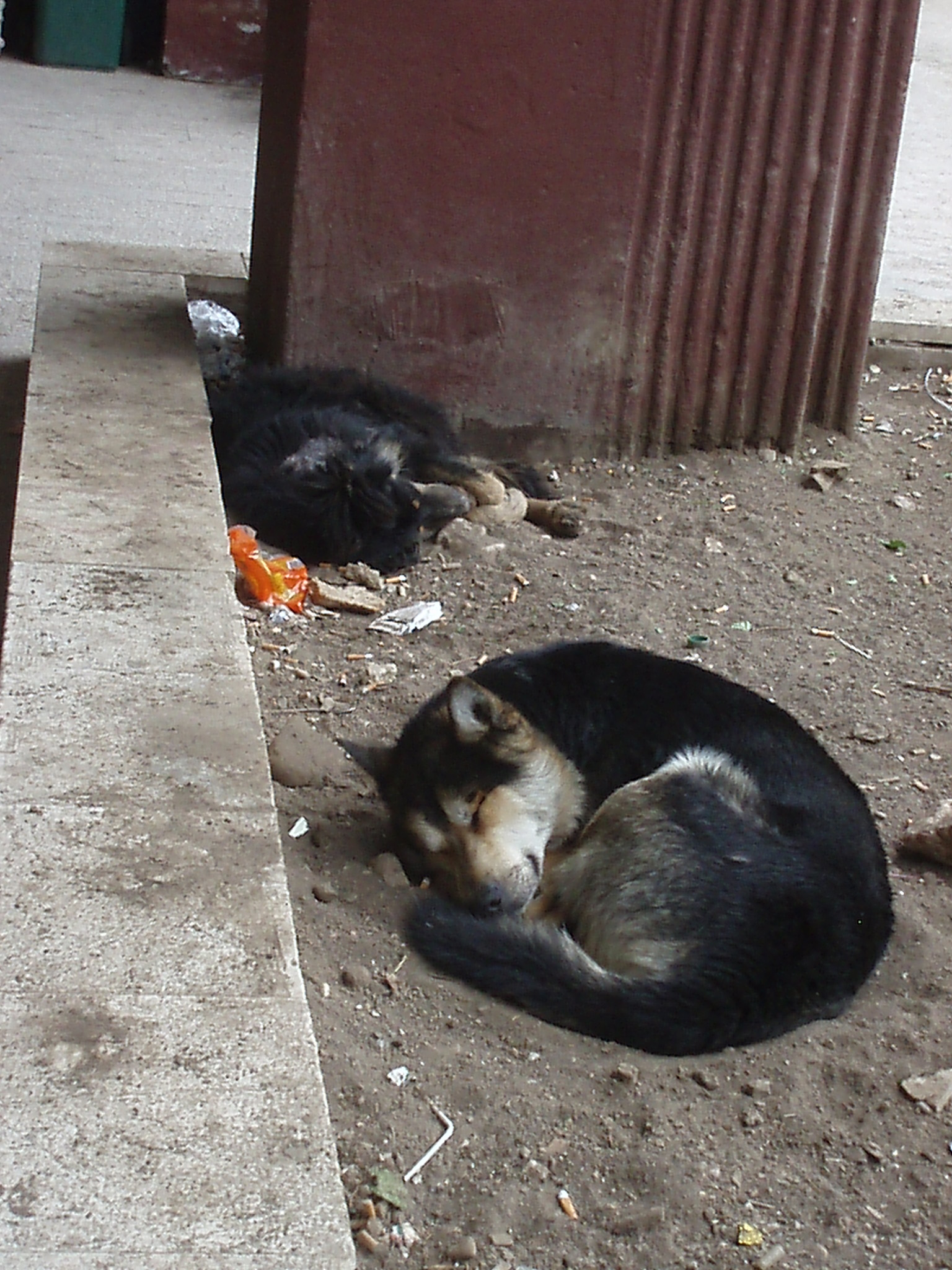
I have not witnessed any dogs acting aggressively.  Sometimes you see them running around in a group, gathering up their neighborhood buddies to go do dog stuff like chasing birds and digging in the trash.  But mostly I just see them sleeping.

But there are potential problems with all these dogs.  Besides the mess they make with the trash, there is the serious issue of disease – they aren’t immunized, of course, so rabies is a concern – as well as the danger to livestock and humans when dogs run in packs. BiH has made some attempts to address the issue and at one time rounded up many dogs for euthanization.  But there were enough left that their numbers grew again.

Now BiH would like to join the EU.  In order to comply with EU requirements, the government has enacted a law to establish shelters that do not practice euthenasia.  But there are no funds allotted for this, so the program has yet to get off the ground.  Elementary students at QSIS are running a dog food donation drive, but the teacher in charge had to send out an email last week asking parents if they knew of an animal shelter anywhere in the city.  I don’t know if they found one.

Dog shelters don’t sound like an ideal solution anyway. It’s hard to imagine many of these animals would ever be adopted.  Many are not especially handsome, and of course they have zero house dog skills. In Sarajevo, as in cities in the west, small designer breeds are preferred.  Furthermore, Mohammed wasn’t fond of the species (it seems he was more of a cat person) and the more devout believers here do not keep house dogs at all.

I don’t know what the solution is, but I would think that an aggressive spay and neuter program could help.

Anybody want me to bring them home a puppy?

Posted in Bosnia, Sarajevo | Tagged | Leave a comment

Out of the Mood(le)

Screen Shot 2016-02-25 at 07.40.37

Today is, I believe, my last DCS Moodle day.

It’s a bittersweet goodbye.  Sad, because it marks the end of my formal connection with Damascus Community School, my colleagues and students.  We’ve been through a lot together.  But to be frank, I think I can say that we are all quite sick of on-line school.

Moodle, for the uninitiated, is the acronym for Modular Object-Oriented Dynamic Learning Environment.  It’s an open-source on-line learning platform, or Virtual Learning Environment. In plain English,  Moodle is a free computer program that teachers use to communicate with students through the internet.  You can use it to teach an entire course.  Or even, as in our case, operate a whole school.

Damascus Community School had already been using Moodle to post assignments, but we instantly became a full-fledged on-line school when teachers evacuated on February 1st.

Almost all of the international students returned to their home countries around the world. Our Syrian students with dual passports enrolled at schools in Lebanon, Jordan, Canada, Italy and the US.  Some enrolled in a couple of private schools (Pakastani and British) that remain open in Damascus.  The handful of English-speaking students stuck without any other option enrolled in our virtual online school.

Andreas and I both taught on Moodle this semester. Andreas started with four classes, but enrollment dwindled to where he had only one drama performance theory student left in his roll book.  I took over responsibility for two diligent 5th graders when their classroom teacher found a new full-time job in Indonesia.

As the DCS Moodle administrator, I continued to help my far-flung friends with their moodling issues.  “Moodle Queen” had already been part of my librarian job description at DCS, but in practice I shared the duties with our indispensible tech guy, Yousef, now assisting from his new digs in Dubai.

When we left Syria, Alekka became one of those kids stuck with no other option. She continued her core classes on line as we bopped through five countries in February.  Now she’s back in a real bricks-and-mortar school again, which is much better for her learning style.  I would venture to say that on-line instruction works best for most students when combined with face-to-face, hands-on learning in a physical location, alongside some real live friends to play sports and eat lunch with. But desperate times call for desperate measures, and thanks to the creativity and flexibility of her DCS teachers, Alekka kept her scholastic chops in shape while we were afloat for month.  It was interesting for me to see what the experience is like from the learner’s side (or the learner’s parent’s side, anyway). It gave me some insight into how to use Moodle with my 5th graders, Moufak and Joudi.

But now it’s over, and I can almost hear the collective sigh of relief from DCS teachers and students around the world.  I hope the next school year brings peace – and a real live classroom – for all of them.

Posted in Bosnia, Syria, Teaching | Tagged , | Leave a comment

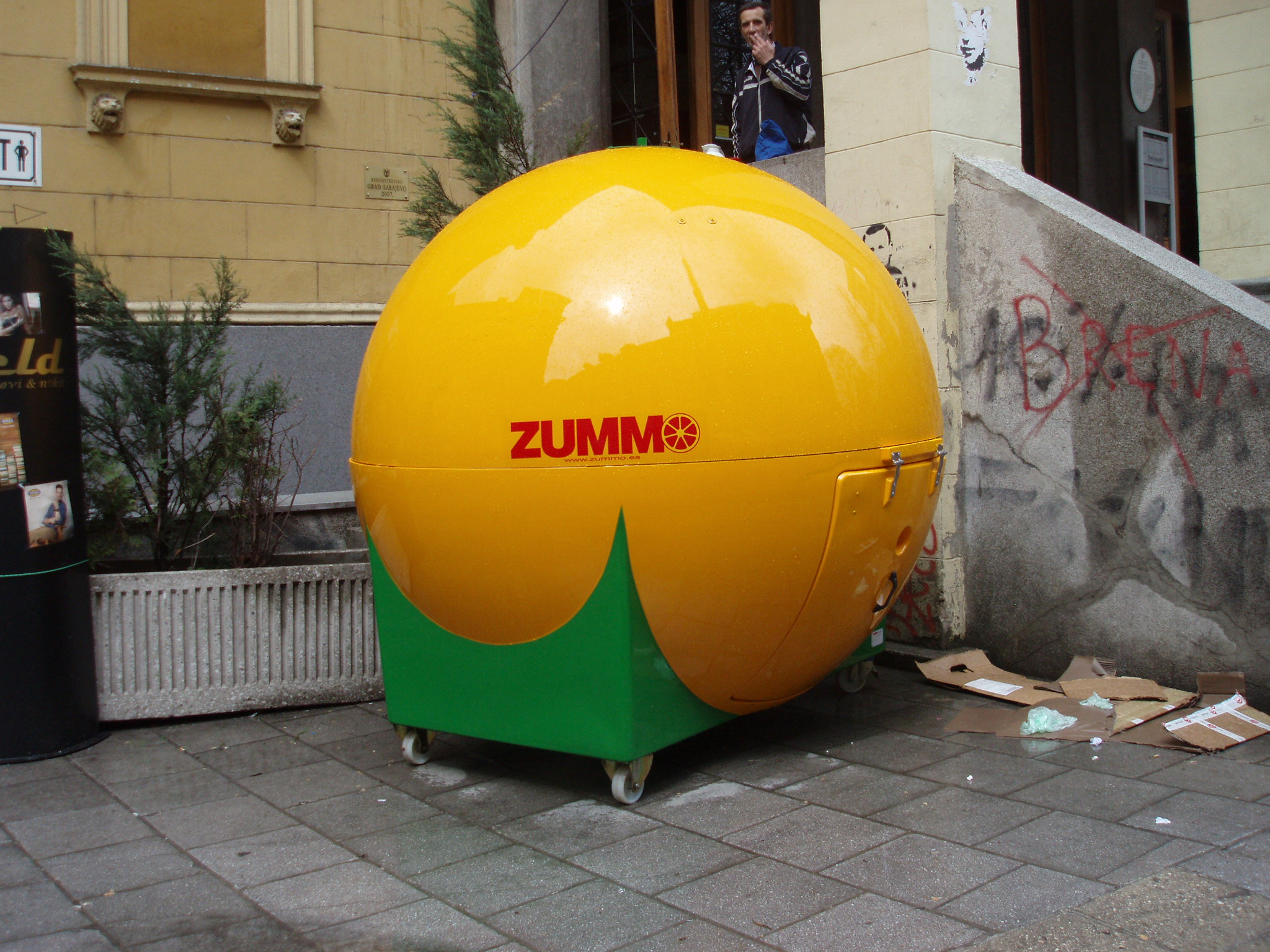
Zummo

Zummo juice kiosk on a lovely spring day.

Fresh juice for sale.

Zummo juice kiosk today.

No juice for you.

Hoping for better weather tomorrow.

Posted in Bosnia, Sarajevo | Leave a comment

The Sarajevo Haggadah

The what?

I’ll admit, I had to look it up myself.  The Haggadah is the Jewish text that is read aloud at the Passover Seder table.  It tells the story of Exodus. The earliest copies still in existence are 14th century illuminated manuscripts.  The National Museum purchased one of these from a Sarajevo resident in 1892.

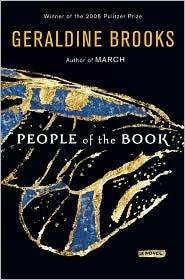
Because the book is so rare and valuable, it was not put on display in the museum.  It’s probably a good thing, as it made only very narrow escapes in both WWII and the 90s siege.  Geraldine Brooks based her novel People of the Book (which I know from Goodreads that at least two of my friends have read) on the long and convoluted history of the Sarajevo Haggadah.

Ms. Brooks also wrote a wonderful non-fiction article for the New Yorker telling how a librarian risked his life to rescue the Sarajevo Haggadah in World War II.  I love stories about heroic librarians.

The Sarajevo Haggadah is now kept under (volunteer) guard in a secure room specially built for the National Museum in 2002.  The book is still locked away from public view, though, with a modern reproduction in the display case.  Only four days out of the year is the actual Sarajevo Haggadah on display.  I don’t know what the other three are, but one of them is the noć muzeja.

I think only a volunteer guard would let a visitor take a picture (without flash, of course; no books were harmed in the making of this photograph).

Posted in Books, Bosnia, Sarajevo | Tagged , , | 2 Comments