Pied pipers

Elementary teachers received this message on Monday:

Every year we have the privilege of hearing the two pipers that the British Embassy sends to Addis every year. Last year we heard them in the covered area, which was a bit on the loud side, so this year we would like to have a K-5 assembly in the large amphitheater. They will be coming this Wednesday, April 24th at 8:15. The performance should last about 30 minutes. Thanks so much.
 

Och aye! Thank you, British Embassy.  Made me wonder, though: where else do these pipers perform while they’re in Ethiopia?  And is this what they do all year, visit homesick Scots at embassy outposts around the world? Or is this part of a mission to exchange the highland cultures of two continents?

All my questions were answered at the assembly. The pipers were brought in to perform at the UK embassy’s annual  Queen’s birthday garden party (that would be her actual birthday – April 21 – as opposed to her official birthday, which is in June). The pipers are visiting schools while they are here.  And they are part of the regular British army; piping is only a part of their duties.

IMG_4051

Their names are James and Jamie. I don’t know what the kids thought, but I can see how they might inspire a following.

Posted in Expat experience, International Community School | Leave a comment

When life gives you lemons

There’s no substitute for fresh lemons.

lemon juice

In a pinch, this will do, but it’s not the same

Where I grew up in California we always had a lemon tree in the yard.  After I moved to Oregon, we ended every visit to my in-laws in LA by loading the station wagon with home-grown lemons that we’d squeeze and freeze when we got home to Medford.  There’s always been an abundance of lemons in my life.  Until this year.

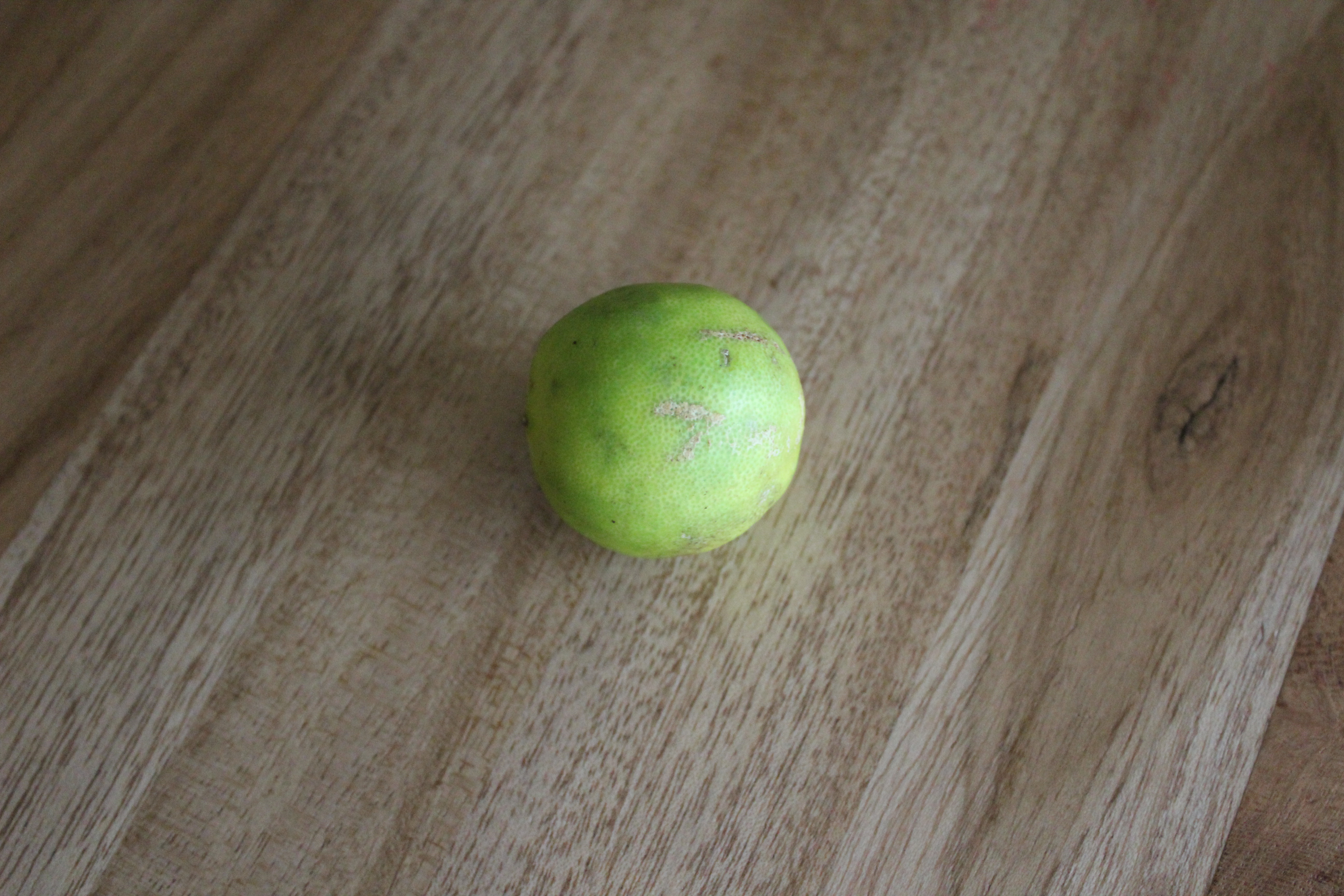
This is an Ethiopian lemon:

e lemon 1

You might think it’s a lime.  It might in fact be a lime, because Amharic doesn’t distinguish between the two (or so I have been told).  It smells and tastes more like a lemon.  But it is definitely the wrong color.  And it is very small, and on the dry side. The climate here just isn’t right for citrus fruit.

So you can imagine how happy I was to find myself in Sorrento, land of lemons. I brought back a big bag of them. Until my Italian supply runs out, we’ll feast on egg and lemon soup, lemon quinoa, maybe even a lemon meringue pie.

This slideshow requires JavaScript.

Bet you can guess which one of these oranges is from Sorrento.

IMG_3932

Posted in Elsewhere, Food, Shopping | Tagged , , | 2 Comments

Bath party

Not the Damascus politics kind.

Bath party, Addis style, to me means inviting your friends over to use your shower because they haven’t had water at their house for a week.  Add a little wine and cheese and you can turn it into a festive event.

It happens periodically in houses around here: the public water supply is turned off for a time ranging from a day to a week or two. It’s likely due to roadwork or construction, but don’t expect a letter warning you in advance or advising you when to plan on having it back on.  It’s kind of a cultural no-no here to be the bringer of bad news, so if your guards do happen to know the water’s going off, they might not tell you unless you happen to ask (and who would think to ask?)

We’ve been fortunate with our water at Varnero. The apartment complex has its own well so the construction going on all around us hasn’t affected our supply. During the dry season there was a notice in the elevator asking us to please conserve, and we did, but we never actually ran out.

That said, we do have water issues from time to time.  Untreated tap water in Ethiopia isn’t safe to drink.  For the first few months we boiled our tap water for 10 minutes, then put it through a filter before using it for drinking or cooking.  Then we realized how much easier and maybe even cheaper it was to buy clean drinking water in 10-liter refillable bottles at the market across the street.

OLYMPUS DIGITAL CAMERA

Our filter. We put cool boiled water into the top part; it filters down through white ceramic cones that remove the impurities into the bottom part where we can access it with the spigot.

But then a little over a week ago, Andreas went to trade our empty bottle in, and there was no fresh water.  “The factory broke,” the store owner said. Huh.  Back to boiling and filtering.

Posted in Addis Ababa, Home life | Tagged , | Leave a comment

Sirens and Saracens

As I mentioned a couple of posts ago, Andreas and I spent our spring break in Sorrento, Italy.  We stayed in a wonderful guesthouse, actually an old 3rd floor downtown apartment converted into several individual rooms plus one small apartment. It’s called Sorrento Flats, and if you are headed that direction I highly recommend it.  You could not find better hosts than Luigi, Emanuela, and Paola.

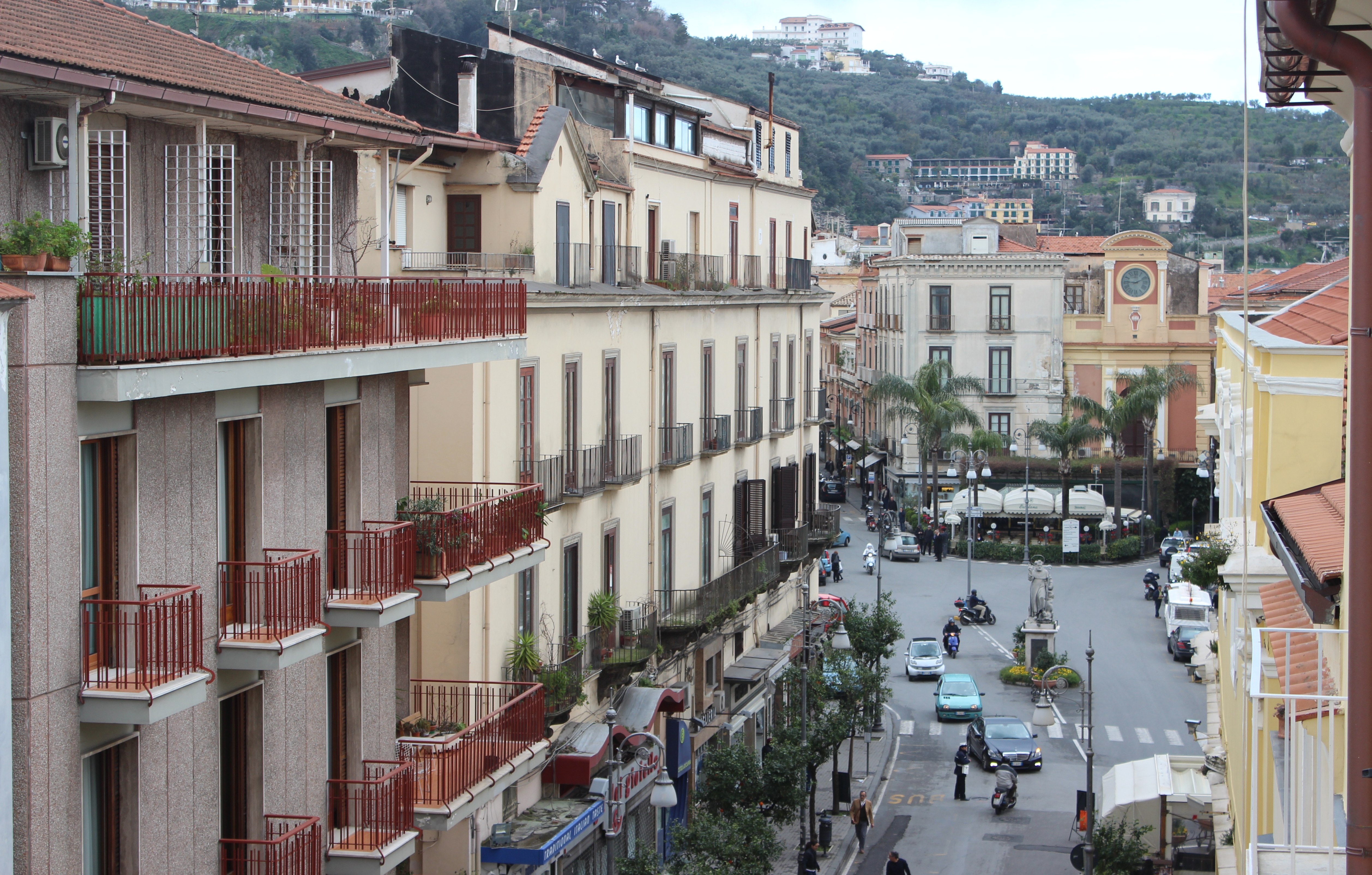
View of Tasso Square from our hotel balcony

View of Tasso Square from our hotel balcony

Sorrento is the perfect base for exploring the region.  The local Circumvesuviana train line starts in Naples and passes through Herculaneum, Pompeii, and a string of other charming little towns before arriving in Sorrento two hours later.  Every hour or so buses depart the city to wind along the gorgeous Amalfi coast road to Positano, Amalfi, and Ravello.  And you can catch a ferry for a day trip to Capri at Sorrento’s Piccolo Marina (we didn’t, but you could).

IMG_3531

This is me and Father Guido Sarducci in Amalfi. Can you tell we love it here?

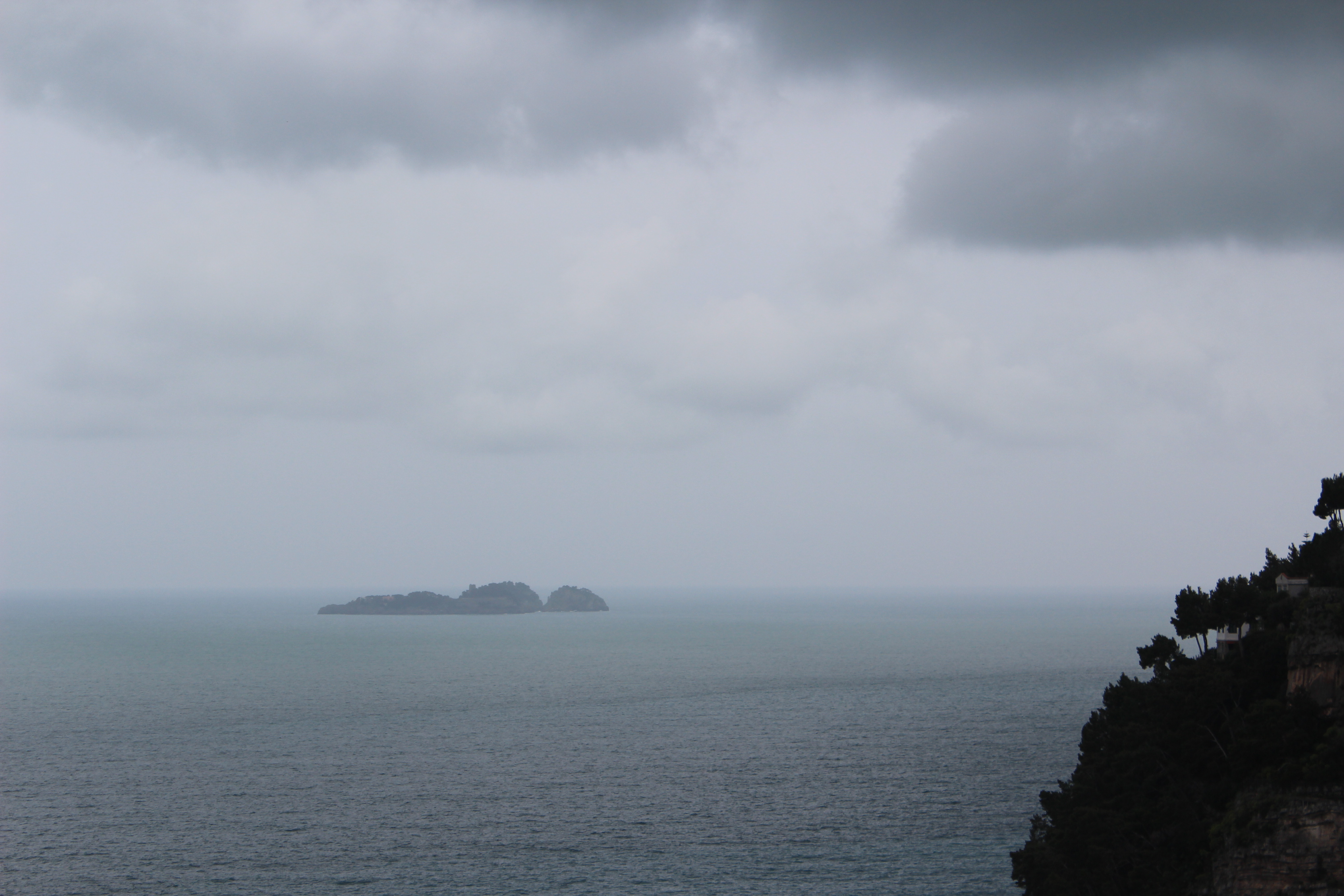
The history of the region has many layers.  First there were the Osci, around 800 BC.  Then the ancient Greeks took over and apparently found the place captivating: the name Sorrento (Surrentum in ancient times) comes from the word for Siren, as in the lovely ladies who tried to lure both Jason and Odysseus with their songs.  The actual island of the Sirens, according to some traditions, is a group of three rocks just off Capri (visible from the coast near Sorrento).

IMG_3521

Then there were the Romans, of course, and the whole business with Vesuvius in 79 A.D. (or C.E., whatever – I’m showing my age).  Spain ruled the region in the 16th and 17th centuries, which is when those interesting medieval-style Easter processions got started.  Sorrento has been a prosperous place for a long time. It was protected by deep gorges from land invasions but pirates and Saracens regularly invaded from the sea.

Il vallone dei mulino - valley of the mills, Sorrento

Il vallone dei mulino – valley of the mills, in one of the gorges surrounding Sorrento

The central square is named for Torquato Tasso, a native Sorrentino and poet of the 1600s; his most famous work, “Jerusalem Delivered,” was inspired by those Saracen invasions.  Richard Wagner and Henrik Ibsen both lived in Sorrento in the 19th century and Maxim Gorky in the 20th.

Henrik - mind if I call you Enrico?

Hey Henrik – mind if I call you Enrico while you’re here?

Here are some more views.  You can see how artists might find it inspiring.

This slideshow requires JavaScript.

Posted in Elsewhere | Tagged , , | 1 Comment

Pompeii

Although I’ve been to Italy several times, I’ve always been in too much of a hurry to get to Greece to take that southern detour into Naples. This was my first opportunity to see Pompeii, and I am pleased to report that it is one major tourist destination worth finally seeing in person.

Everyone knows something about Pompeii, if only from that pathetic (I mean that in a good way) “Dog of Pompeii” story they make you read in middle school.  The eruption of Vesuvius in 79 A.D. is one of the fixed points in history that Doctor #10 goes on about. It’s also an existential wake-up call.  One day, everybody’s baking bread and buying beer, when next thing you know, blam! Wiped off the face of the earth. This could happen to you.  But of course the best part is how everything going on that day was preserved under the ashes for future generations to dig up and puzzle out.

I knew all that, but it’s not the same as being there.

Andreas and I found ourselves comparing Pompeii to Jordan’s Petra, where we spent a few days just over a year ago. Petra is another ancient ghost town.  But the magic of Petra is that it feels so oversized, the monumental home of an ancient race of giant gods.  Nothing remains of everyday life there, only empty tombs and wind-worn temples of metaphysical belief.

OLYMPUS DIGITAL CAMERA

And camels.  Camels always make a place more mysterious. Petra, Jordan: February 2012

Pompeii is more down-to-earth. There you will see graffiti on the walls, a “beware of dog” notice, grape vines in the gardens, and dirty pictures in the bath house. You can imagine yourself walking the streets in the year 79, using the raised crosswalks to stay clear of the muck. You’d meet your friends at the forum, grab lunch at a small sidestreet café, maybe catch a show at one of the theaters, then go home to a colorful house with a fountain in the courtyard.

One of our hosts at the hotel told us we could see Pompeii in a couple of hours. She didn’t know us well enough.  We wandered around, enthralled, for more than six hours.  The guard had to kick us out well after closing time.

This slideshow requires JavaScript.

Posted in Elsewhere | Tagged , | 1 Comment

A breath of fresh air

I recently ran across the following article on Italian air quality:

“Drugs in the Air”

I will say I did enjoy some nice breathing in Sorrento and Rome, for whatever reason.  It is a little depressing to be back to this.

IMG_3889

View of Addis from Entoto mountains, where I went a couple of weeks ago with ICS visiting performance artists Michelle and Carney from Poetry Alive!

But I guess we should be grateful that it’s not worse.

Our last visiting artist at ICS, children’s author Bruce Coville, tweeted this from Nouakchott, Mauritania:

Ew.

Posted in Addis Ababa, Around Africa, Elsewhere | Tagged , | Leave a comment

Folklorist for a day

Alekka is taking a Spring semester course in Anthropology. Her teacher asked me last month if I’d be willing to present a guest lecture on folklore. My first reaction was, not possible, I haven’t thought about folklore in 25 years. But in an international school, it’s duties as assigned, and teachers have to make use of the resources at hand.  The correct response is, “Sure!  I’d love to!” and then you jump right in. So I said I’d do it.

I sat down and drew up an outline for an 80-minute introduction to folklore and folkloristics.  I was happily surprised to find it all coming back to me.  The best part was, as I was planning for (and fretting about) my presentation, I started not only seeing folklore everywhere – that tendency has never quite left me – but also thinking about what it all means.  Structuralists, Freudians, functionalists, behaviorists, text analysts, Marxists, feminists: I miss you.  I almost want to finish that dissertation (I said almost).

The Holy Week processions in Sorrento gave me plenty of material to illustrate different ways of interpreting folklore.  Check out this video of the White Procession, which takes place from 3 a.m. until dawn on Good Friday.

I’m happy to report that my little talk went over pretty well.  Thanks are due to my friend Sukey, professor of folklore and popular culture and all-around awesome human being, who provided me with an excellent opening activity.  It was so much fun, I hope I get invited to do it again.

Here are some more pictures from the Holy Week events in Sorrento and surrounding towns.

This slideshow requires JavaScript.

Posted in Elsewhere, International Community School, Teaching | 3 Comments

Out of Africa

One of the favorite pastimes of ICS foreign-hire teachers is planning their next escape.  It’s not that we don’t like it here. We wouldn’t be here if we didn’t like it. But we do look forward to getting out of the noise and pollution once in a while to recharge our batteries (and to fill our extra suitcases with foreign goodies).

Like most international schools, ICS operates on a schedule that makes vacation travel possible. We get a week off in October, three weeks at Christmas, a week for spring break, and about 7 weeks in the summer. There are also several long weekends over the course of the year. Our professional development allowance enables us to attend an annual overseas conference of our choice, and there are numerous opportunities to travel with student groups to sports meets, academic competitions, and student summits.

So teachers spend a lot of time asking each other about upcoming travel plans.  Much of the time we are storing information away in our mental files for our own future trips.  The best deals on international flights from Addis are to Cairo, Dubai, Mumbai, Rome, London, and Frankfurt. Well, and Khartoum, but I don’t know so many people who want to spend their vacations there.

As you can see from that list, it is often (oddly) cheaper to fly to Europe or Asia than to travel within Africa. That’s part of the reason we spent spring break in Sorrento instead of Zanzibar. Next year we’ll make an effort to see more of this continent.  But this time around, Italy was exactly what we needed.

Once I get through this very hectic week at school I’ll post more about our trip. Meanwhile here’s a taste of Campagna.

This slideshow requires JavaScript.


Posted in Elsewhere, Food | Tagged , | Leave a comment

Box of wonders

My daughter Alice in the US packed up a box and sent it here. It was mostly stuff I’d asked her to buy for us, but she tossed in a few much-appreciated surprises (mainly of the chocolate variety).

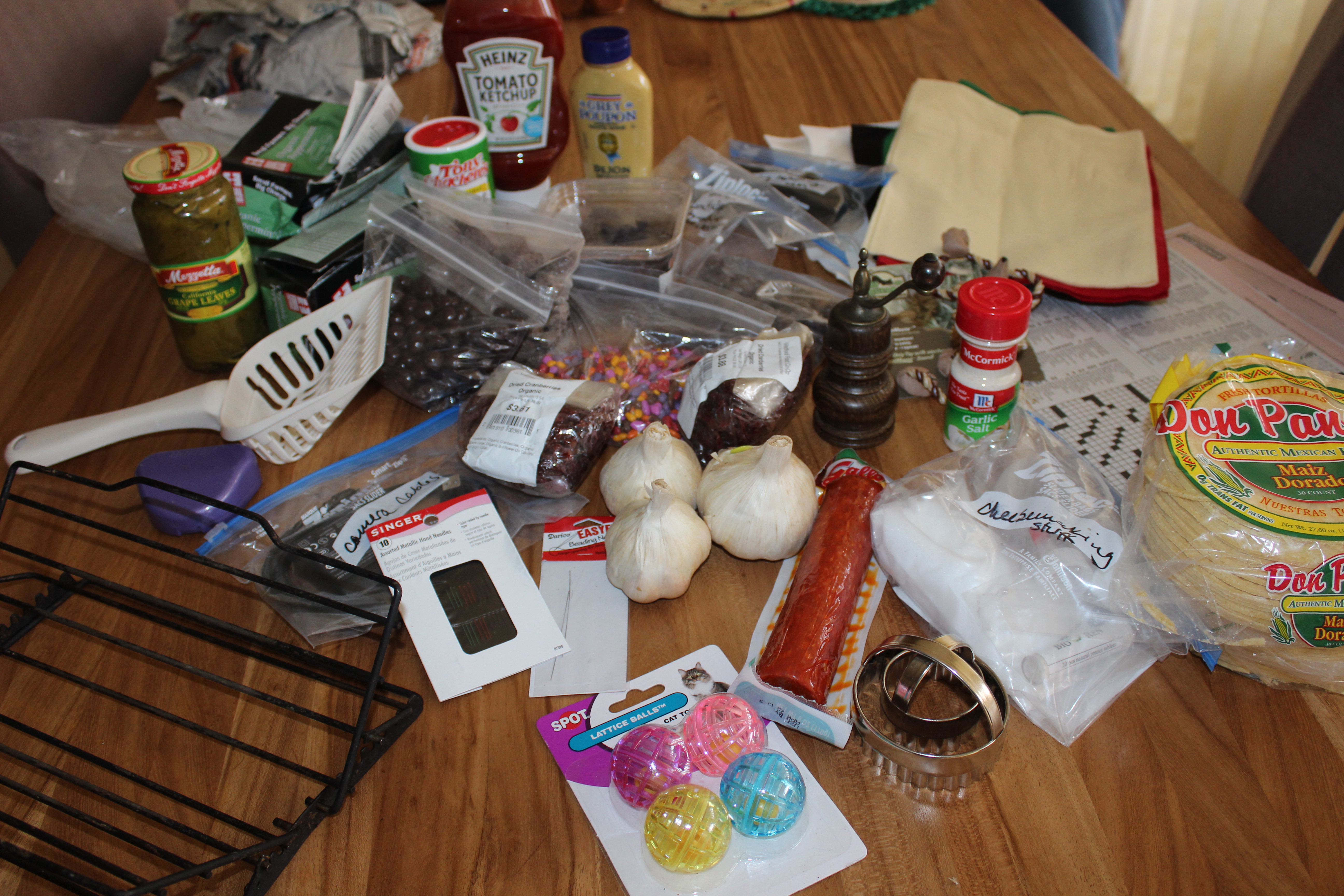
In case you’re curious about what kinds of things we might be missing so much that I’d pay $100 in postage and wait four weeks for it, here’s the packing list:

Corn tortillas
Cat toys
Sewing and beading needles
Fresh garlic
Dried cranberries
Cable and charger for Alekka’s camera
Alekka’s retainers
Pepperoni
Biscuit cutters
Rennet, calcium chloride, and citric acid for making cheese
Garlic salt
Pepper grinder
Chocolate covered raisins
Candy-coated sunflower seeds
Chocolate covered something – edamame?  Pistachios?
Chocolate toffee salted almonds
Dark chocolate caramels
Organic peppermint teabags
Tony Chachere’s creole seasoning
Felt squares
Lorazepam (don’t leave home without it)
Heinz ketchup
Grey Poupon mustard
Sunday crosswords from the San Francisco Chronicle
Bottled grape leaves
3 pairs reading glasses
Roasting rack
Kitty litter poop scooper
 
box1 goodies

I’m sure you’re wondering how we survived four weeks with two kittens and no poop scooper.

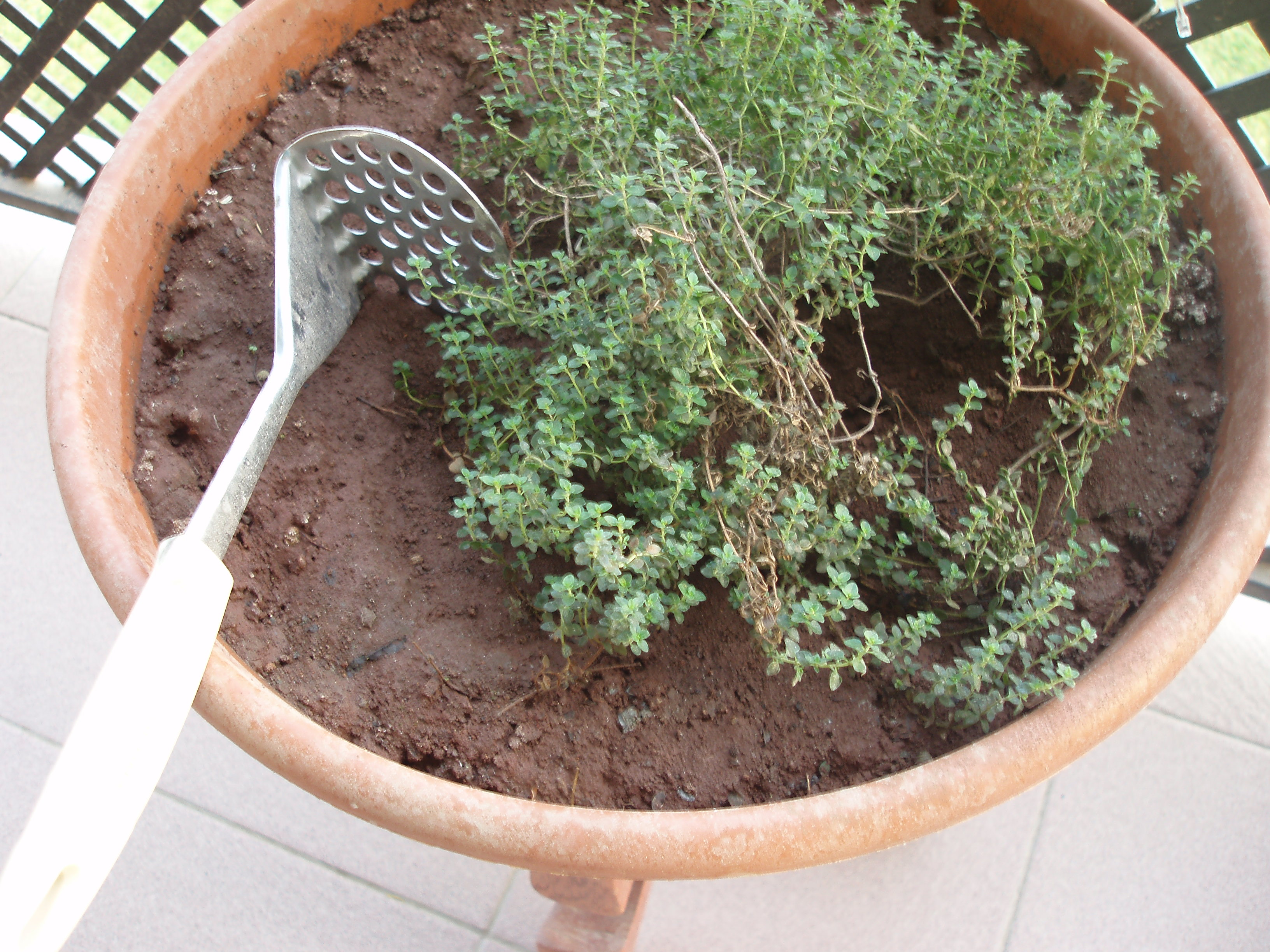
With the  British potato masher I found at one of the faranji stores, that’s how.

Don’t worry, we won’t be mashing any potatoes with it.  Repurpose, reuse – it’s our new garden hoe.

OLYMPUS DIGITAL CAMERA


Posted in Ethiopia, Food, Home life, Shopping | Tagged | Leave a comment

Threshing time

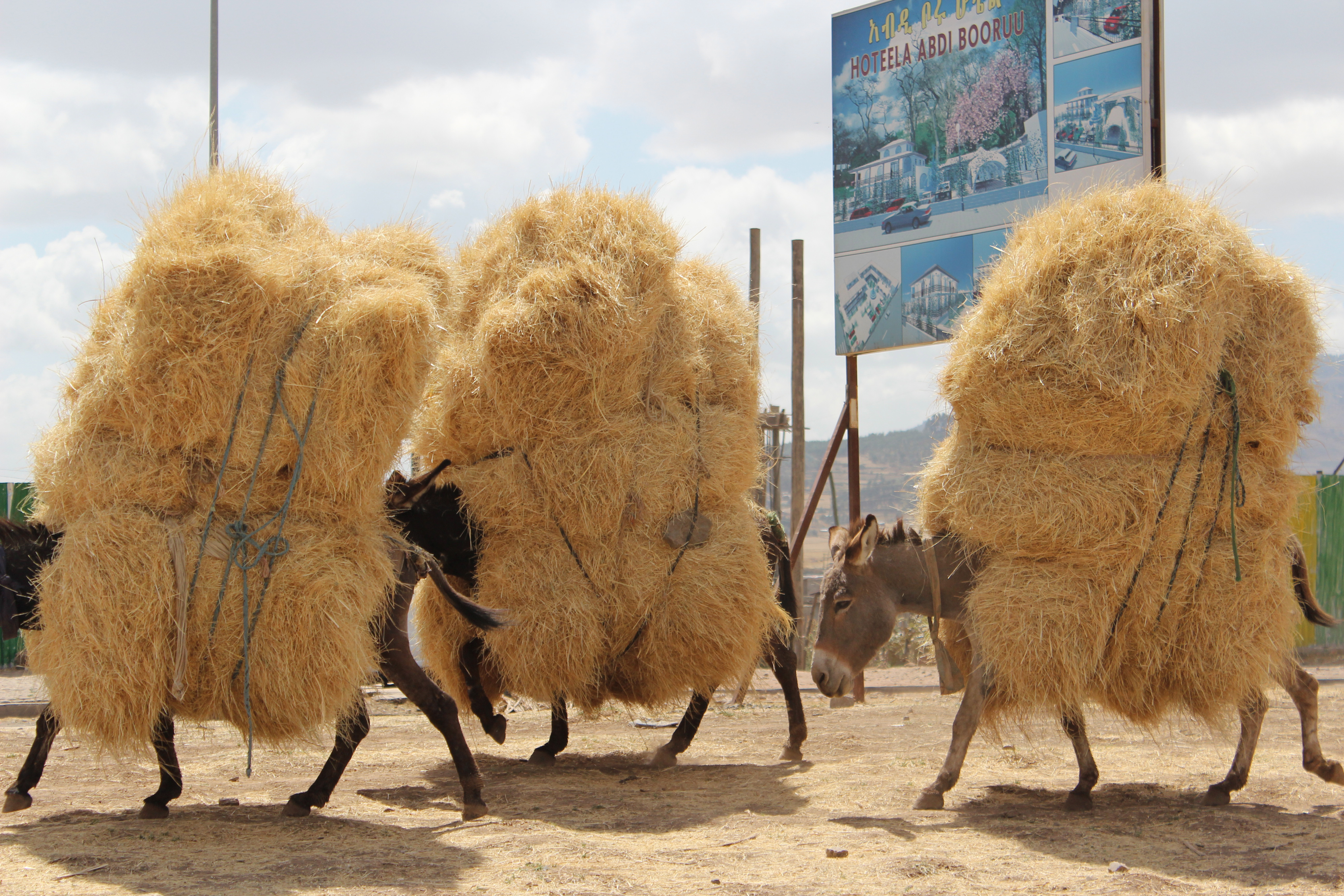
three donkeys loaded with teff straw

Straw-laden donkeys on a main road leading into Addis near our apartment complex.

It’s a busy season for teff farmers in the highlands.  Teff is the grain that is the basis of the Ethiopian diet. Farmers harvested and stacked the teff in November; now it’s time for threshing and winnowing. The countryside is full of dry teff fields, stacks and rolls and pyramids of teff, and donkeys and carts and trucks overflowing with the leftover straw.

tukels and haystacks2 better

Stacks of teff at a farm on the road to Menegasha

Threshing is a hard job.  Here it’s done the old-fashioned way, with oxen trampling the grain in a stone threshing circle. Then it has to be winnowed. This blog post explains the process (and has some very nice pictures as well.)  The word “teff” means “lost” in Amharic – the grains are smallest of all edible grains, and are easily lost in the separation process.

Ethiopians use ground teff to make injera (the big pancake that you might be familiar with from Ethiopian restaurants); it is also used for making porridge and for brewing a kind of local beer (tella) and distilling arak.

Farmers in Idaho have been growing teff for the Ethiopian-American community for about 25 years, but it is gaining popularity in the US because of its high-protein, low-gluten qualities.  I have seen it for sale in the Ashland food co-op.

red mill teff

I’ve long wanted to learn to make injera at home.  I got directions about how to do it from an Ethiopian colleague.  I’ll let you know how it turns out.

Posted in Ethiopia, Food | Tagged , , | Leave a comment