This town’s fame is mainly due to it having burned down overnight on January 23, 1904.
This building is known as The House That Did Not Burn.
The 10,000 people left homeless rebuilt their town (this time in stone) with the financial help of Kaiser Wilhelm of Germany, who liked to vacation in the region. Alesund is now is a remarkably consistent collection of Jugendstil, or what is known in America as Art Nouveau, architecture.
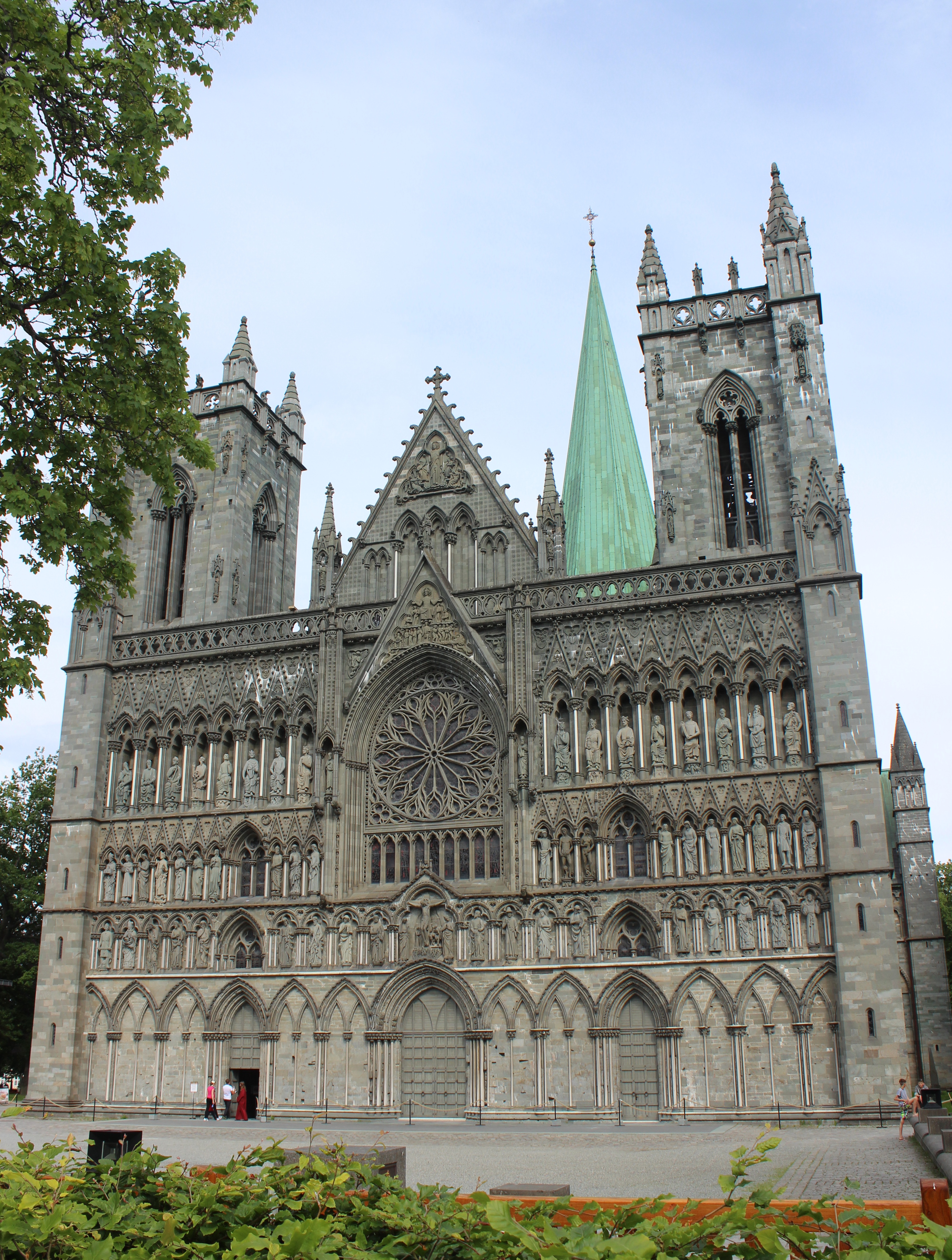
We took the train to Trondheim, a nice town with a far northern feel to it. The main attraction here is Nidaros cathedral.
In 1030 Norway’s exiled king Olaf was killed near Trondheim in a battle to regain the throne. After his death he became a kind of cult figure who was important in unifying the country. For this reason he is Norway’s patron saint, and he is buried somewhere under Nidaros cathedral. Work on the cathedral began in 1070 and finished around 1300, but the church has been damaged and rebuilt many times. The current restoration was completed about ten years ago.
We had planned to continue north after this but it’s windy and cold and very expensive – I think we will reroute the next few days to places where we can enjoy more of the outdoors.
Today we took a side trip from Uppsala to the town of Gamla Uppsala, or Old Uppsala. This was the pre-Christian religious center of Sweden. Saxo Grammaticus wrote that Odin, chief of the Norse gods, lived in this place. The first Christian cathedral in Sweden was here in 1140, but when it burned a hundred years later, they built the new cathedral a few miles away in what is now Uppsala.
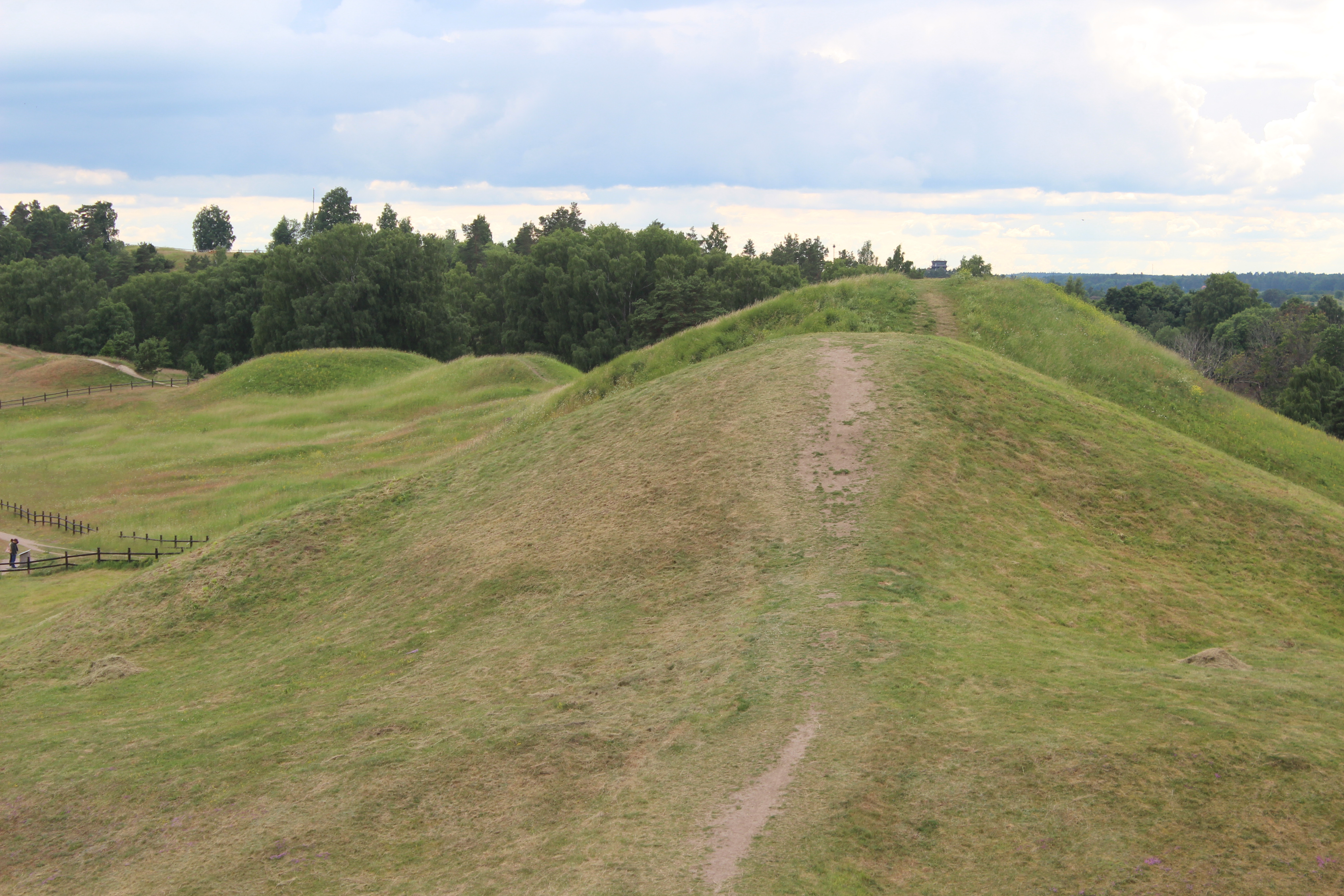
In Gamla Uppsala you can see (and walk on) the burial mounds which according to tradition belong to the Norse gods Thor, Odin and Freyr. Archaeologists have determined that they are the burial places of members of an ancient royal dynasty.
We finally tore ourselves away from Stockholm but we didn’t get far. We took the train to Uppsala, a lovely old city that is home to the oldest university in Scandinavia. Both Carl Linnaeus and Anders Celsius taught there.
King Philip Came Over From Geneva Swiftly
The original Celsius thermometer
We saw the cathedral, where they keep the bones of Sweden’s patron Saint Eric in a silver chest.
We visited the museum at the Carolina Rediviva, the university’s library. There we saw the 4th century Silver Book gospel in old Gothic, and Snorri Sturluson’s Prose Edda (c. 1222), as well as some illuminated Ethiopian texts (!) They don’t let you take pictures inside, so you will have to go there and see them yourself.
My favorite place was the university’s Museum Gustavianum. There is a vertiginous anatomical theater from the 1660s
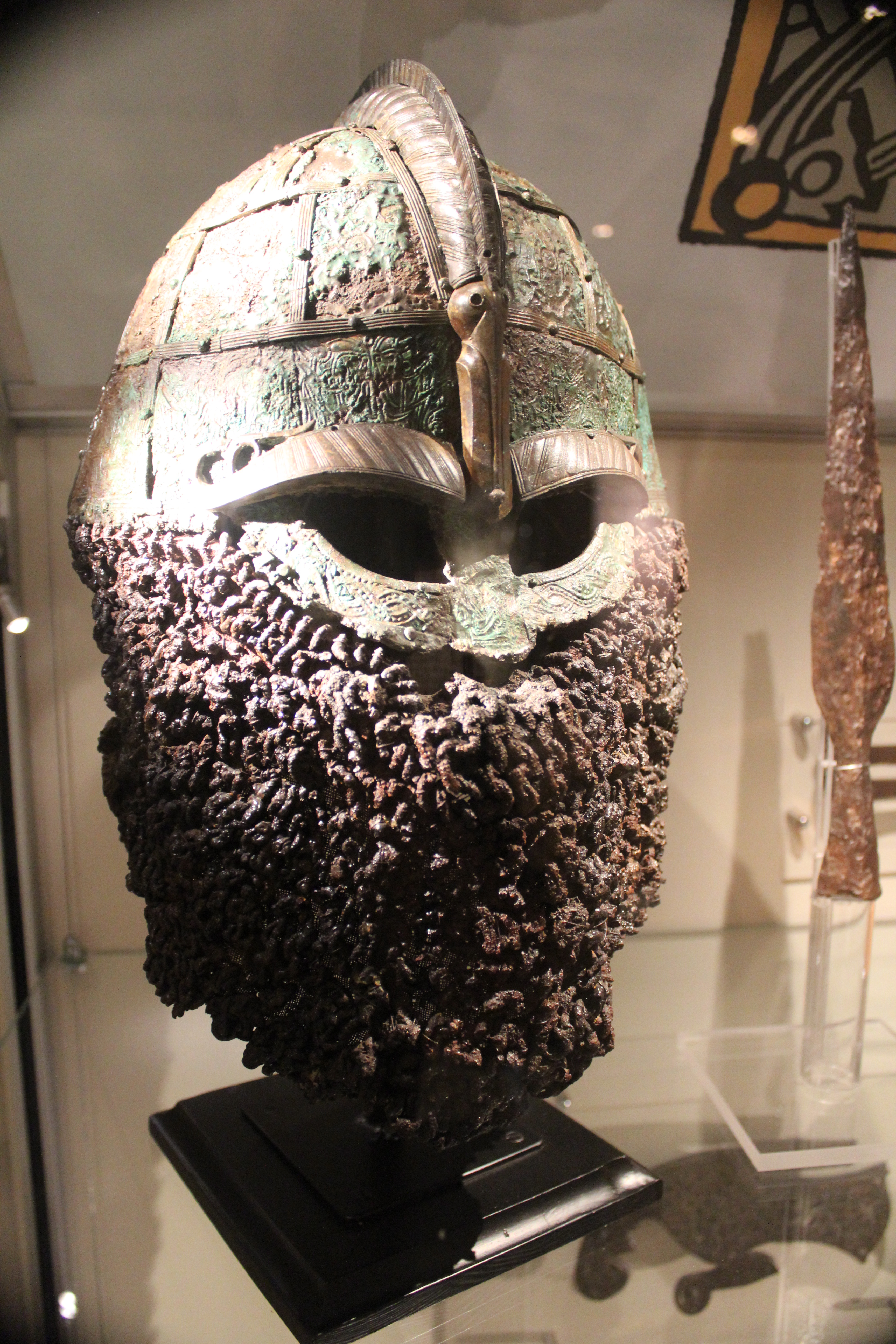
and the contents of a Viking ship burial
but the best thing by far is the Ausgburg Art Cabinet, a box of wonders that was given to Sweden’s King Gustavus Adolphus in 1632. This beautifully ingenious piece of cabinetry is like a whole museum in itself. It is an intricate container that houses a fascinating collection of natural and technological curiosities. Something like this could keep a royal personage and his friends entertained for a lot of rainy days.
It must have been a bummer for the sailmakers, smiths, carpenters, barrel-makers, and painters – not to mention the navy and the king – when the great Swedish warship Vasa went down in Stockholm’s harbor 20 minutes into her maiden voyage in 1628. Hundreds of people spent two years constructing a great warship with 64 cannons on two decks, fitting it out with painted and gilded wooden carvings. And it sank. How embarrassing.
But the Vasa was raised in 1964 and you can see it in the excellent purpose-built Vasa Museum in Stockholm. It’s a wonderful place with lots of interactive displays about all aspects of the Vasa story: technology, physics, history, biology, chemistry, from why it has built and why it sank, to the lives of those who worked and died on the ship, to how it was recovered and preserved. Great stuff.
Now that you’ve seen the pictures, I’m sure you’ll be packing your suitcase soon for a visit to Stockholm.
Nobody would mistake me for a fashion maven (quite the opposite), but I am capable of recognizing style when I see it. So here’s my two cents on the masculine wardrobe. Gentlemen: when in Stockholm, lose the necktie. Men here wear button-down shirts with suits or with sportcoats and slacks; guys in their 30s and younger might opt for nice jeans instead of slacks. But seriously, if I were in the Swedish necktie business, I’d be looking for a new line of work.
And baggy pants, shirts with words on them, sweatshirts, shorts – strictly for tourists. Just sayin’.
It’s funny, but some of my impressions of places this time are entirely different from what I remember from 30 years ago. Could be that the place has changed, or that I have, or that the circumstances are different. It might just be the weather. Probably all of the above.
Stockholm is a good example. I remember not being impressed at all with this city before, and wasn’t especially looking forward to it this time. Now I see that it is nothing like the gritty and mildly depressing place I thought I remembered.
Stockholm is laid out over fourteen small islands which are linked by pretty bridges or (if you prefer) small ferries that take you from place to place. The islands are like neighborhoods, each with a different feel. Stadsholmen contains the old city, or Gamla stan; Djurgarden is almost all manicured parkland, Sodermalm is where to find bohemian neighborhoods and nightlife. There are beautiful old buildings, interesting museums, picturesque harbors, and green spaces everywhere you look. We had only planned to stay two days but we’ve both fallen under the spell of this place; we’re going to book an extra day.
Restaurant food has changed radically in northern Europe since the 70s and 80s. Globalization is usually a depressing thing, and if the spread of modern food culture only meant more Burger Kings, then I think that would be truly sad. But the recent trend toward locally sourced, organic, sustainable foods and a resurgence of interest in regional specialties is much more heartening.
England had a bad-food reputation for many years: it used to be that the only way to get a decent meal for a reasonable price was to head for the kebab shop or the balti house. But now it seems every little neighborhood has a selection of cafes and restaurants with interesting menus, and farmers markets with a wide range of local products.
This slideshow requires JavaScript.
The same seems to be true here in Scandinavia. The first time I visited the north country, my dismay over the food here had a lot to do with me disliking both eggs and fish. Those two categories (along with fish eggs) make up the majority of protein choices, which certainly limited my options. But I’m over that now. I’m a big fan of both fish and eggs. Also fish eggs.
But it’s not just me that’s changed, the food has, too.
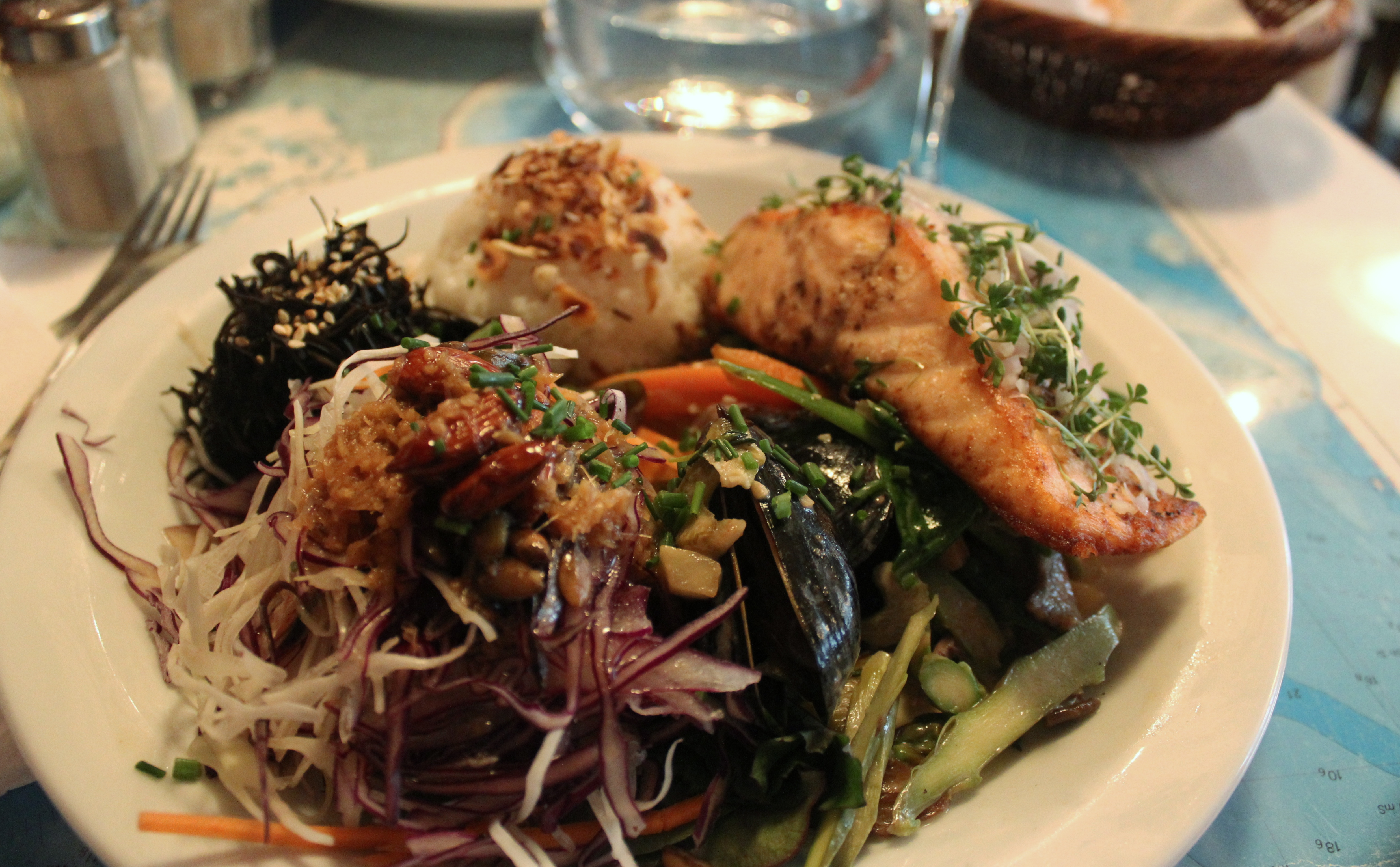
Danish-Asian fusion at the neighborhood Atlas Bar in Copenhagen
Haute cuisine has certainly changed radically in Scandinavia. There are restaurants here that apply molecular gastronomy techniques to reindeer, seaweed, berries and herring (there’s a focus on foraged ingredients), with the results earning them a constellation of Michelin stars.
Some friends from ICS are making one of those New Nordic places, Faeviken in central Sweden, their vacation destination this summer. Faeviken has the added attraction (or obstacle, which is part of the attraction) of being so remote that most people have to spend the night there after their meal. Sounds like fun, but at $530 per person not counting the lodging, it’s a little beyond our reach.
We opted instead for Kokkoreit, a single-Michelin star Copenhagen establishment that specializes in updated, deconstructed, and reinvented Danish classics. And it does them in town, not out in the wilderness.
I’m not sure my palate is discerning enough to appreciate individual Michelin stars. One star is good enough for me. The prices are still high enough to be a once-a-year splurge, so poor us, now it’s back to eating take-out caviar.
We left France on Sunday for Cologne, where we caught an overnight train to Copenhagen. I love the train.
This slideshow requires JavaScript.
Copenhagen is a beautiful city – it kinda makes me feel like I should start singing. But I won’t. It might embarrass the OAP.
Bicycles are a popular mode of transportation here. There are bike lanes everywhere.
This slideshow requires JavaScript.
We didn’t rent bikes, but the lack of cars makes this a great place to explore on foot as well.
This slideshow requires JavaScript.
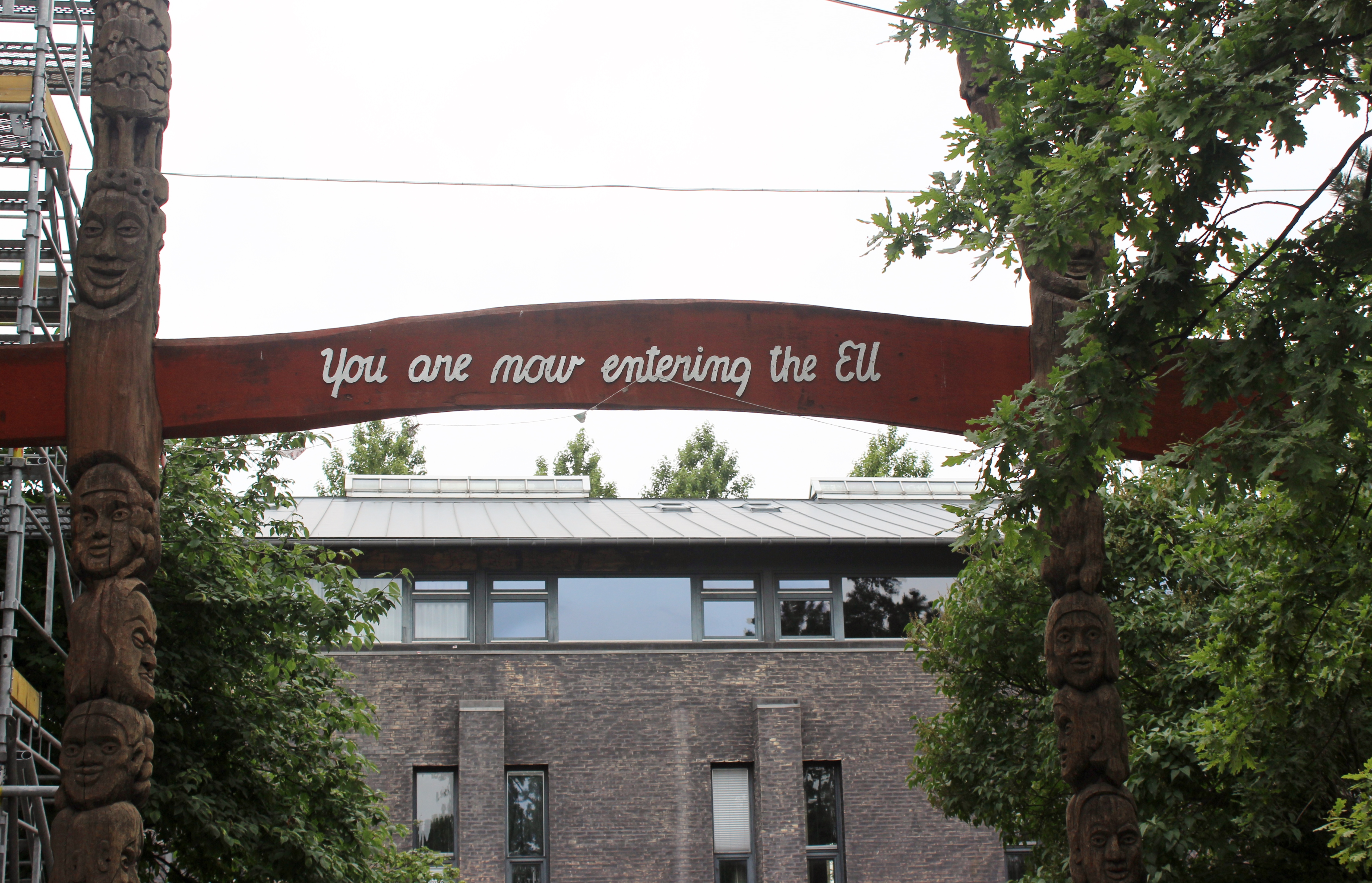
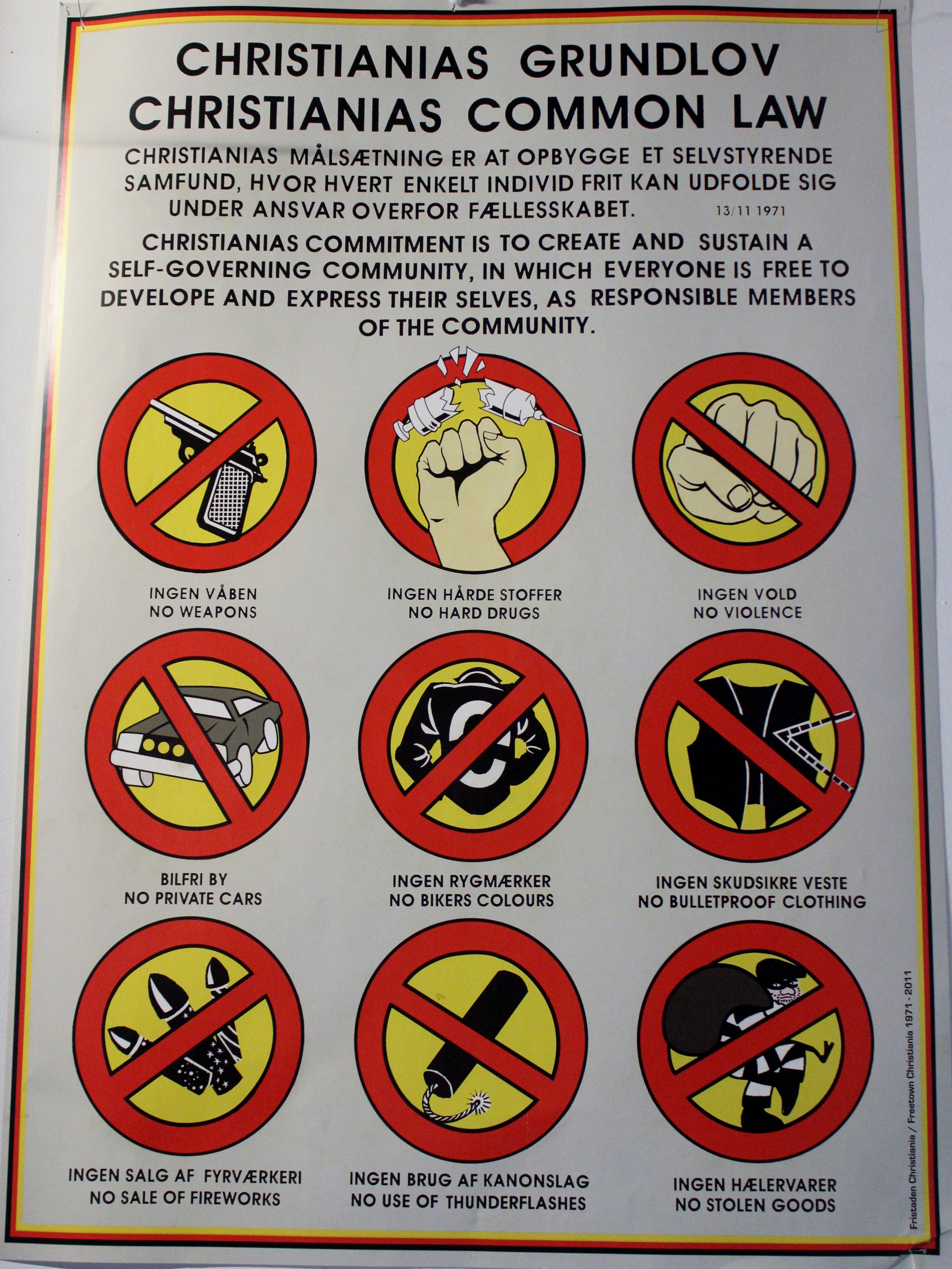
Today we visited the neighborhood of Christiania, an alternative community that was founded in 1971 by protesters, homeless people, and residents of the adjacent neighborhoods. The village is in a waterfront borough of Copenhagen called Christianshavn. Many buildings on the site are former military barracks and city ramparts (some as old as the 1600s), now converted into homes and businesses. There is an art gallery, cafes and restaurants, a childcare center, performance spaces, and a bicycle manufacturer (no cars at all here). Christiania is a city within a city, with its own borders
Exit sign
and its own rules
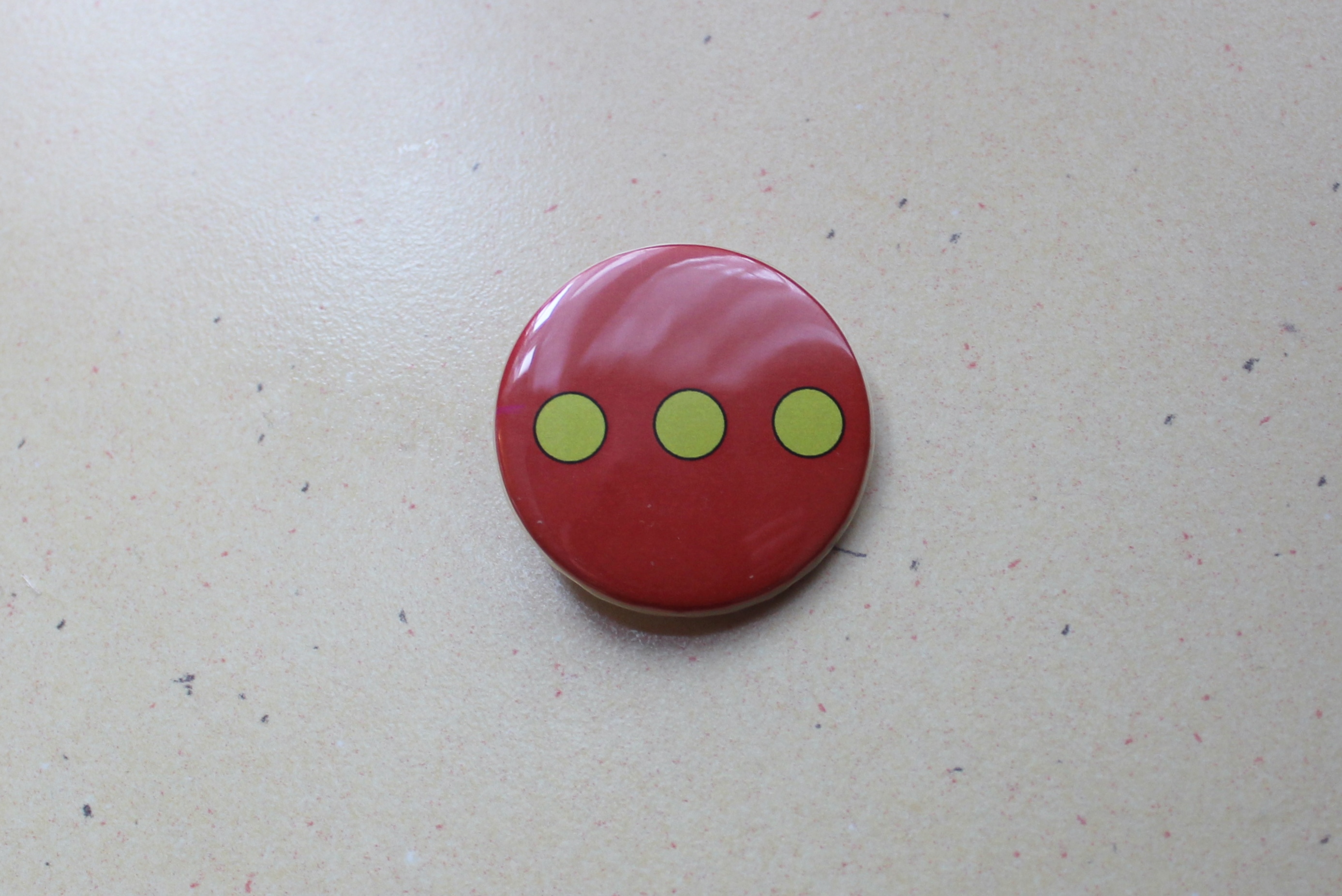
Since its inception, Christiania has had a rocky relationship with Copenhagen proper – but for now at any rate the city enjoys a tolerated, semi-independent status. The residents are now trying to purchase the property. I bought a button in support of their efforts.
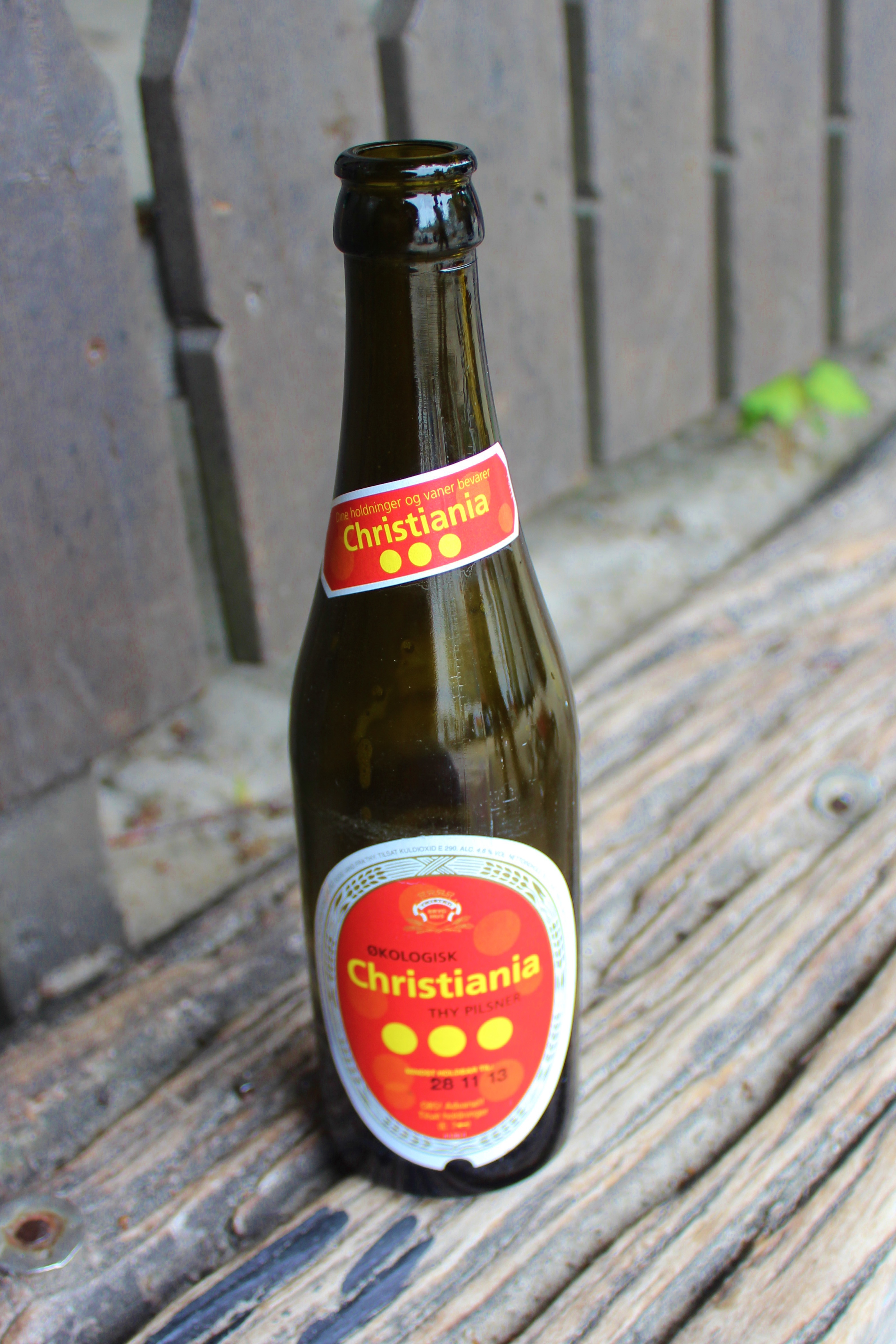
The community symbol. The three dots stand for the dots over the three i’s in Christiania.
Christiania is peopled by alternative folks of many varieties, about 800 of them at this time; artists abound in this environment, and the surroundings are quite colorful. Kind of like a children’s fairyland in a purple haze.
This slideshow requires JavaScript.
One of the hallmarks of Christiania is its rules about drugs. Hard drugs are not tolerated (see common law, above), but cannabis products are not only accepted, they are freely and openly sold in market stalls in the “green zone” central market area in Christiania. Unfortunately (but understandably, as it’s illegal to sell drugs in mainstream Denmark) no photos are allowed in the green zone, so I can’t show you. But just imagine booths like you see at your local farmers market, with rows of glass jars labeled “white russian,” “orange haze,” and the like. Each booth might have 8-10 varieties of marijuana and as many of hashish on display for purchase. There are also booths selling pipes, bongs, papers, and all the other associated paraphernalia.
Yesterday we crossed the English channel by ferry, like we always do. Andreas wanted to take the Chunnel train but I am not a fan of underwater travel. I seem to be in a small minority, because the port at Dover was nearly empty of travelers. I wonder how much longer the boat will remain an option.
The terminal was built for heavy traffic, but there were only 12 foot passengers and a few cars on our ferry.
Dover itself is pretty dismal
Calais, on the other hand, is quite charming for a port town. It has beautiful buildings and interesting history.
Town Hall
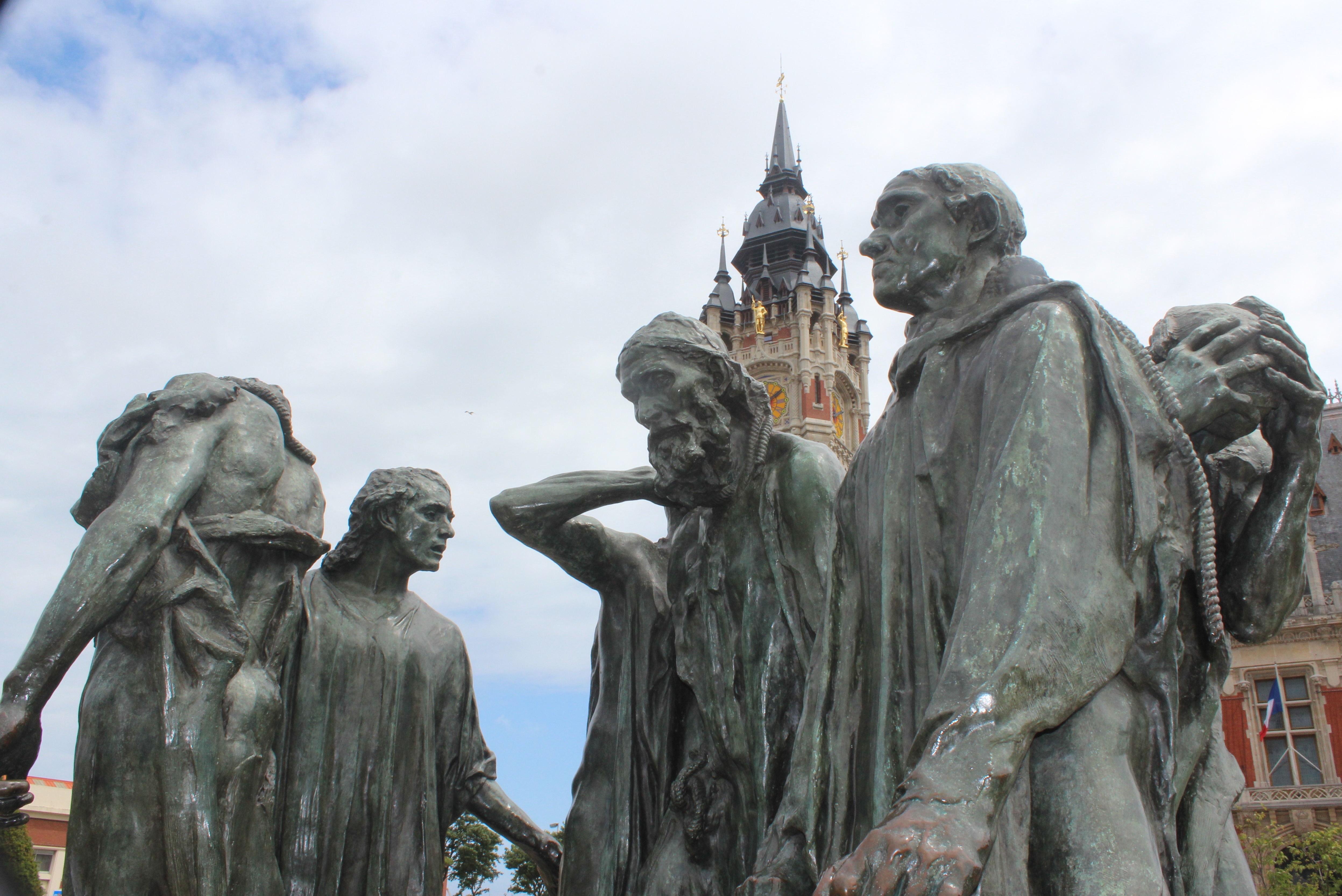
Calais was under British rule for a long time (1346-1558). At the start of that period, during the Hundred Years War, Calais was under siege by the English. The citizens were getting desperate, and King Edward III of England offered to spare them if six of their leaders would give themselves up to be executed. The men came out with nooses around their necks and holding the keys to the city. Lucky for them the English king’s wife spoke up and spared their lives, but the sculptor Auguste Rodin made a wonderful bronze of the Burghers of Calais offering themselves as martyrs (all this I learned from another novel, A Rule Against Murder by Louise Penny).
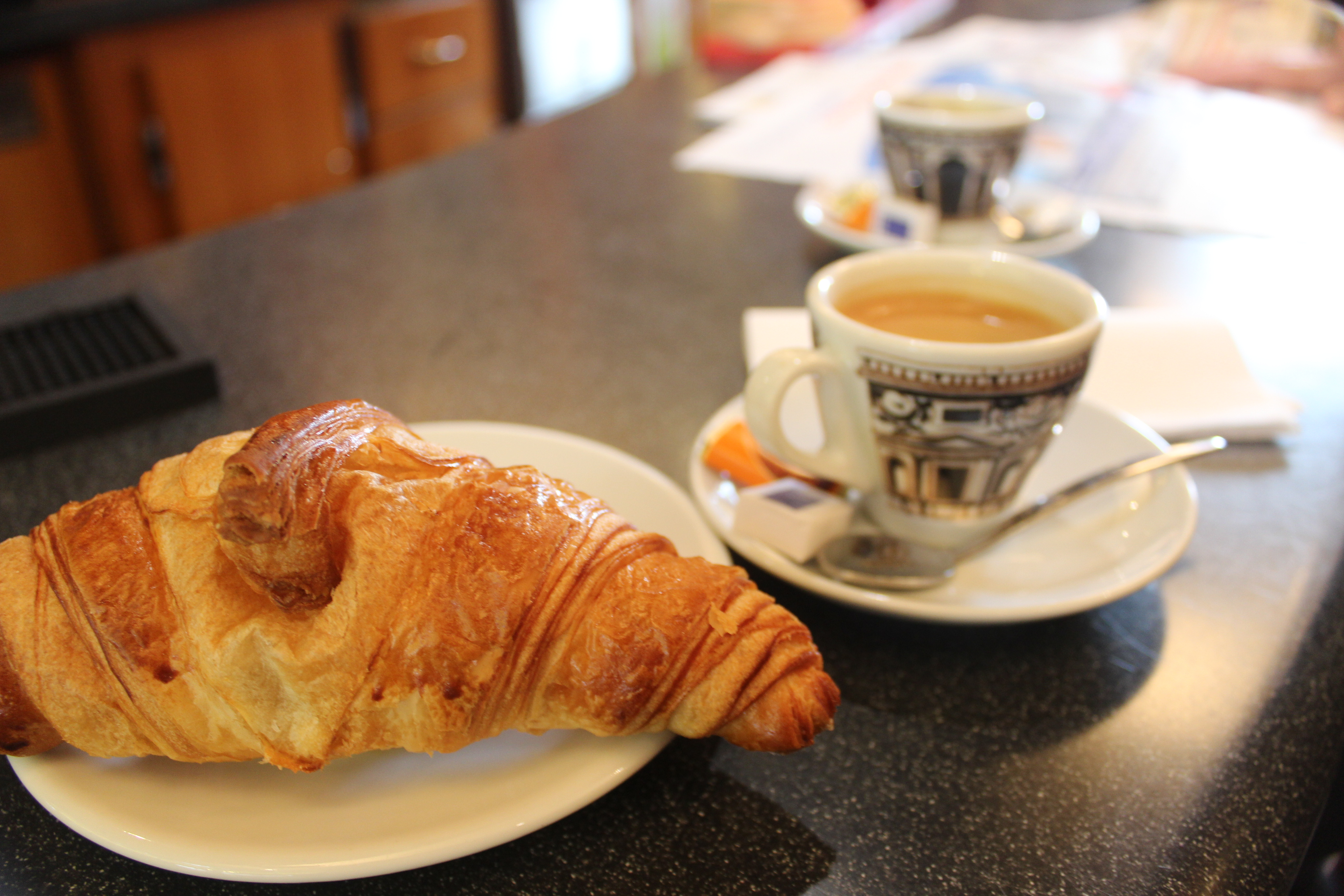
We were only in France for one day so we treated ourselves to some classic French food at Café de Paris.
This slideshow requires JavaScript.
and breakfast there again the next day:
When I’m traveling, I often fantasize about how I could contrive to stay in the place I’m visiting – which house I would buy, what kind of work I would do. My fantasy jobs are often in the food industry.
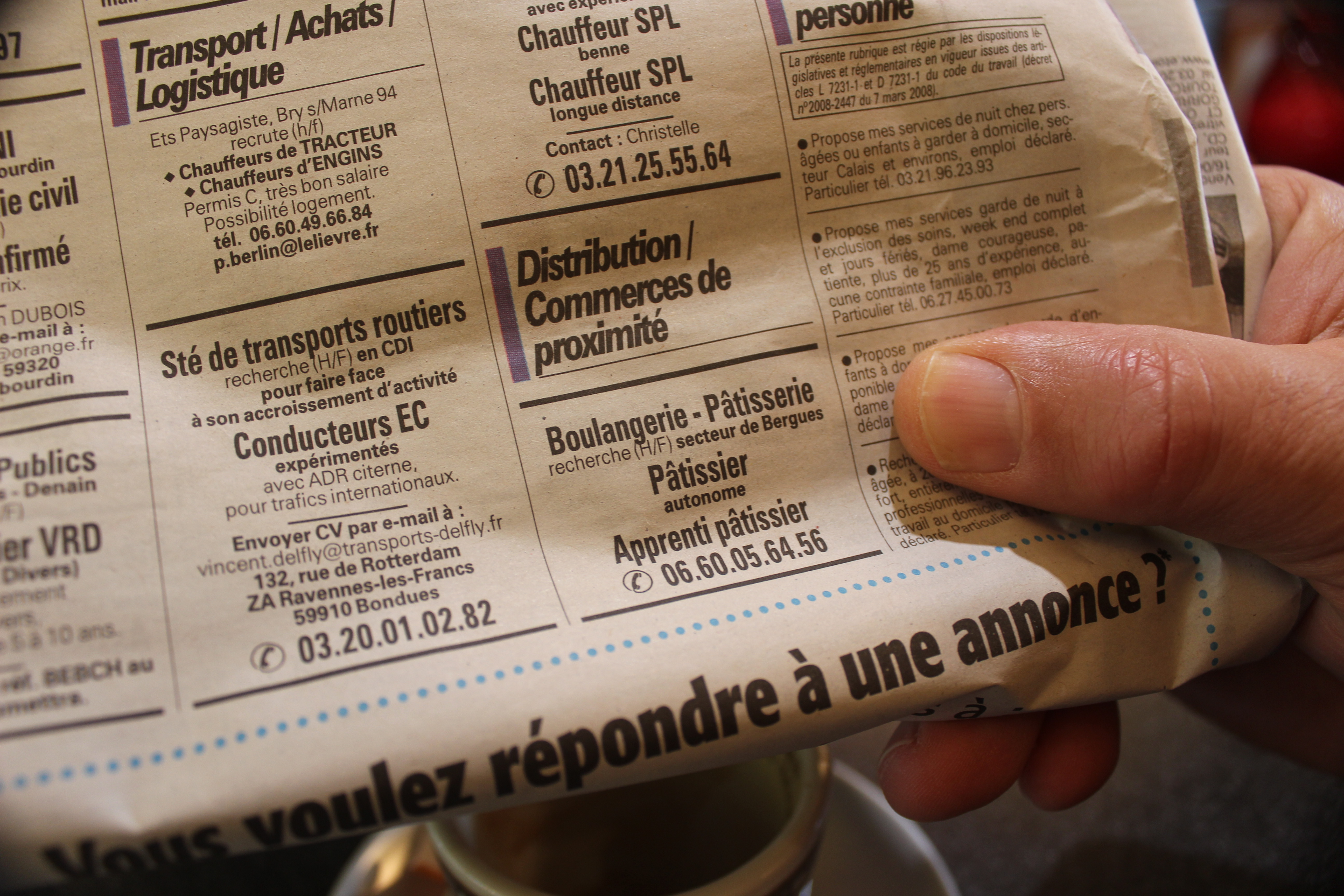
Apprentice pastry maker… I could do that…
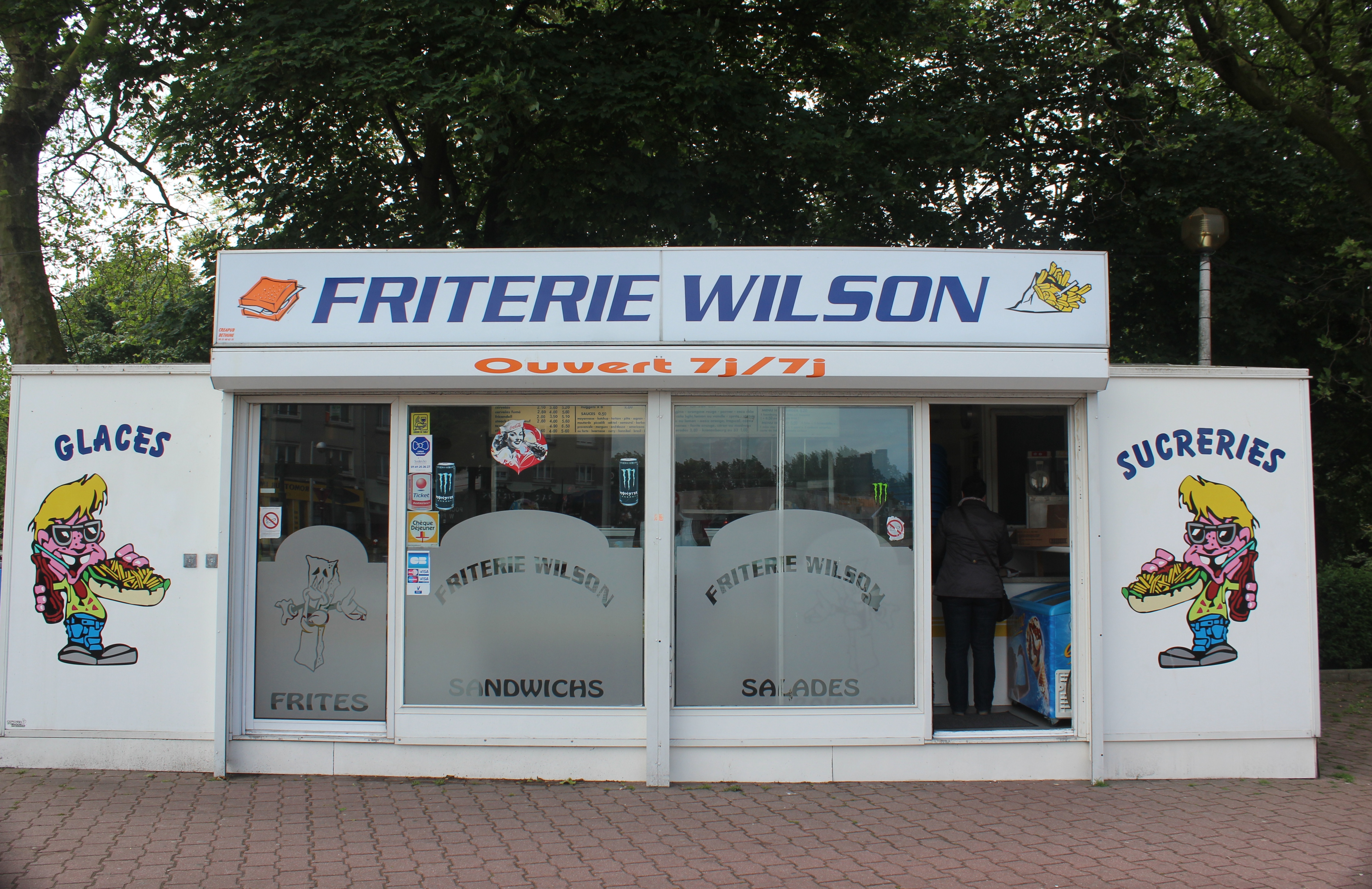
and if that doesn’t work out, I could buy this place and rename it
Burgers of Calais
[2016 update: I discovered this summer while reading Notes from a Small Island that Bill Bryson made the Burgers of Calais joke back in 1995. Oh well, at least my sense of humor is in good company.]

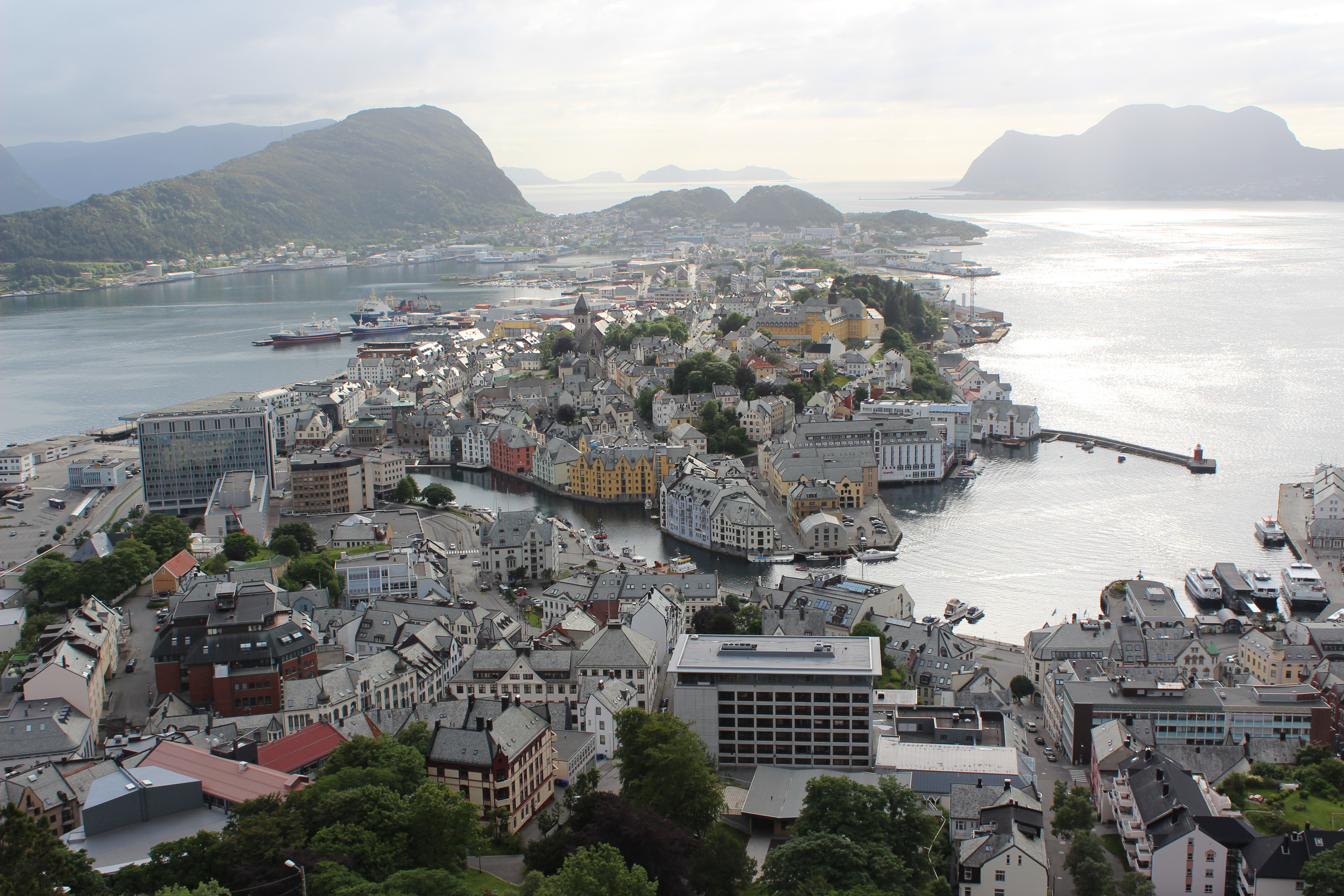 Today we are in the city of Alesund.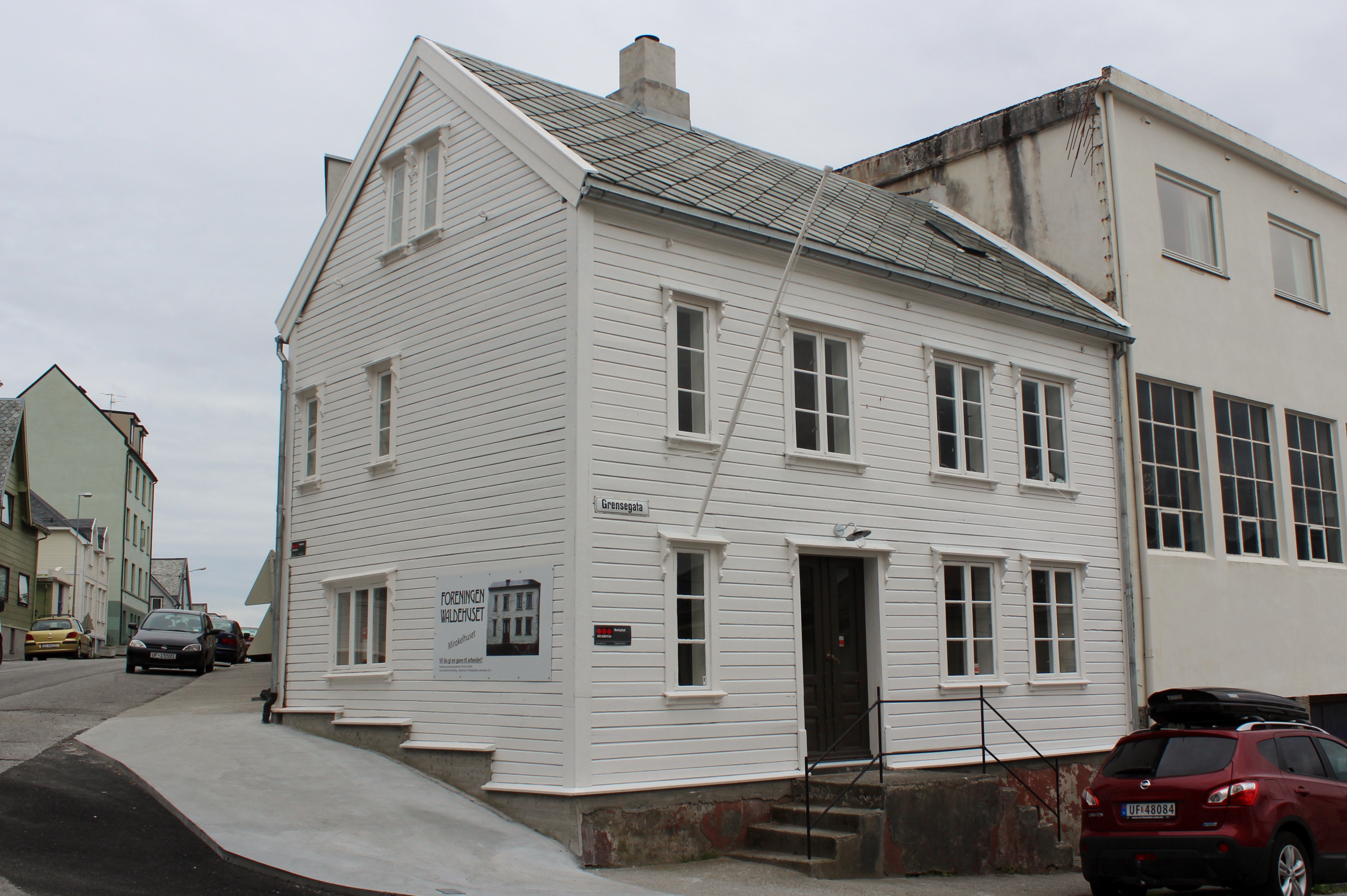







 Lorna of Arabia