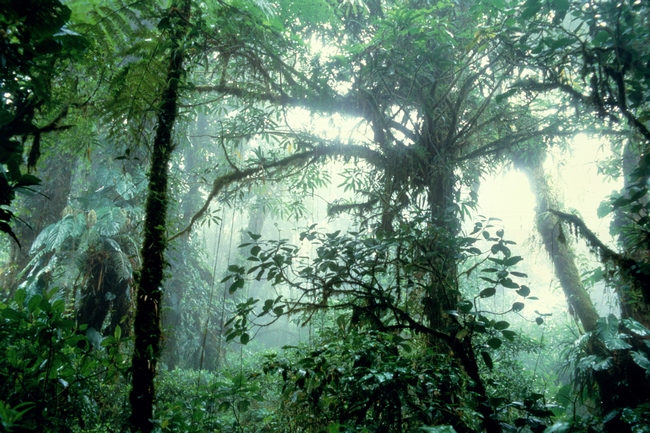
Eco touring in Costa Rica

Costa Rica is a progressive country. When you don’t have a military, it seems you have more money for education, health care, and infrastructure. And also (my personal favorite this summer) parks. There are 26 national parks in this little country, comprising over 25% of its entire land area.

Costa Rica is a beautiful place, and one where the people value the natural environment. Sustainable tourism is a growing industry here. Because it’s what draws visitors here, there’s also a strong economic incentive to protecting the outdoors.

We stayed three nights at an all-inclusive ecolodge called the Celeste Mountain Lodge outside the village of Bijagua, in the Tilarán region. It was a pretty cool place, constructed with lots of recycled and salvaged materials, and with energy efficient features, a water reclamation system, and solar water heating.


This slideshow requires JavaScript.

The grounds were lovely

This slideshow requires JavaScript.

and the “tropical Costa Rican fusion cuisine” was tasty.

This slideshow requires JavaScript.

It poured almost the whole time we were there. But hey, it’s a rainforest, what do you expect?

IMG_8996

We explored the lodge’s nature trail in the rain,

This slideshow requires JavaScript.

went on a guided birdwatching walk in the rain,

This slideshow requires JavaScript.

and took ourselves on a very muddy but rewarding hike to the beautiful blue Rio Celeste, in the rain.

This slideshow requires JavaScript.

Now we need to get out of here and dry off before we grow moss.


Posted in Elsewhere | Tagged , , , | Leave a comment

Quaker cheese

Before tourism took off in this region, the most profitable industry was cheesemaking

IMG_8934

Cut down some rainforest, and voila! Dairy farming country.

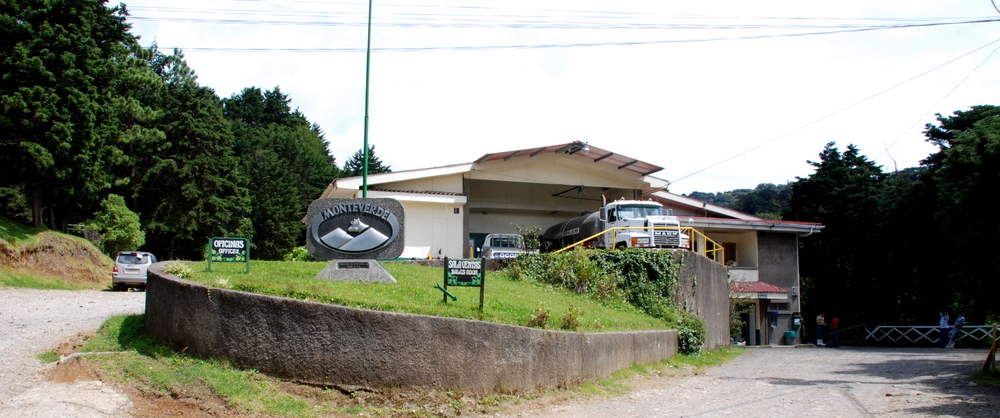
and the biggest employer was the Monteverde cheese factory.

This morning we took a tour of the factory. Unfortunately the particular varieties they were making today didn’t allow for observers (top secret cheese?). Still, the history was interesting and the samples were tasty, so it was worth the price of admission.

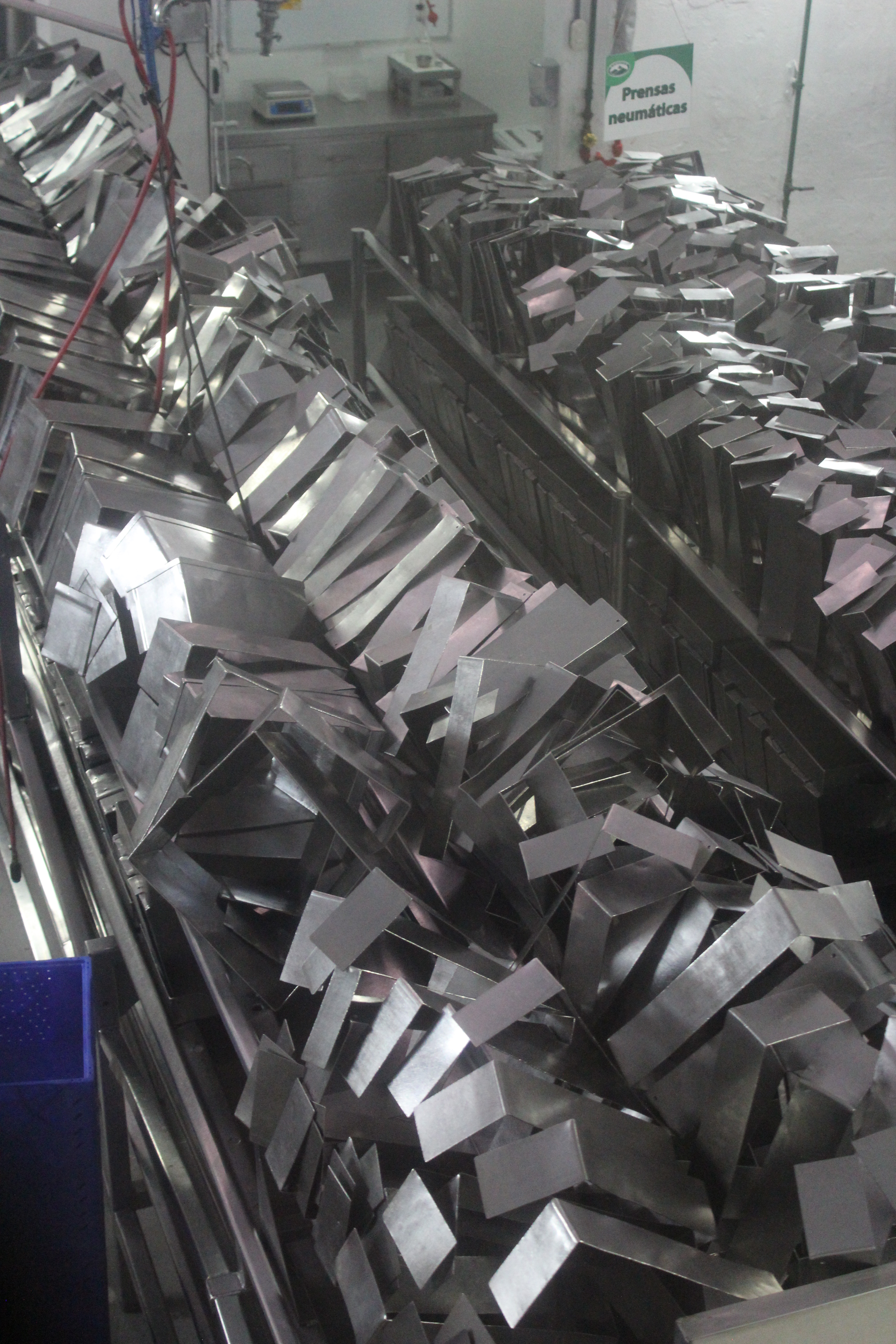
IMG_8926

Frames for cheese not being made today.

The Monteverde factory was founded by a group of American Quakers who left Alabama in the 1950s after a few of them served jail time for refusing to register for the draft. The pacifist Quakers were attracted by the mild climate and by the country’s constitution, which prohibits the establishment of a military. Eleven families totaling forty-four people made the trek to Costa Rica. Some came by plane, but others drove trucks carrying the group’s supplies the whole way on dirt roads through the jungle.

This slideshow requires JavaScript.

They camped out near San José for a few months until a sympathetic businessman helped them find land to purchase for their new community here in the Tilarán mountains.

The pioneers divided their 3500 acre parcel into family farms, setting aside a large chunk of land for community projects including a Quaker meeting house, a school, and eventually the cheese factory. None of them had every made cheese before, but someone thought it would be a good business for the community to start so they sent away for a USDA booklet on cheesemaking.

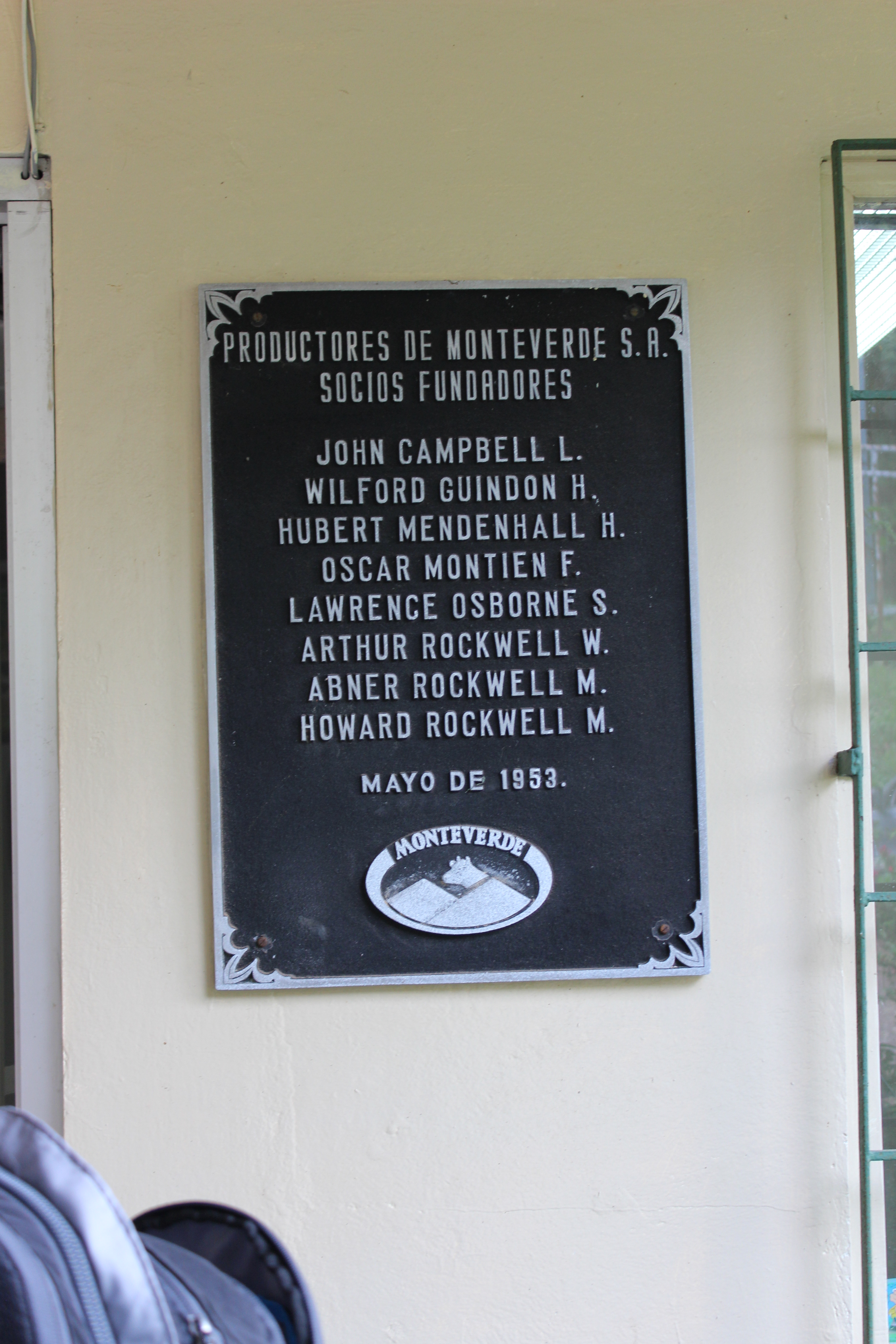
IMG_8924

Founding fathers of cheese

They created a market for their European and American style cheeses in San José and around Costa Rica, where previously only the local style of fresh cheese had been available.

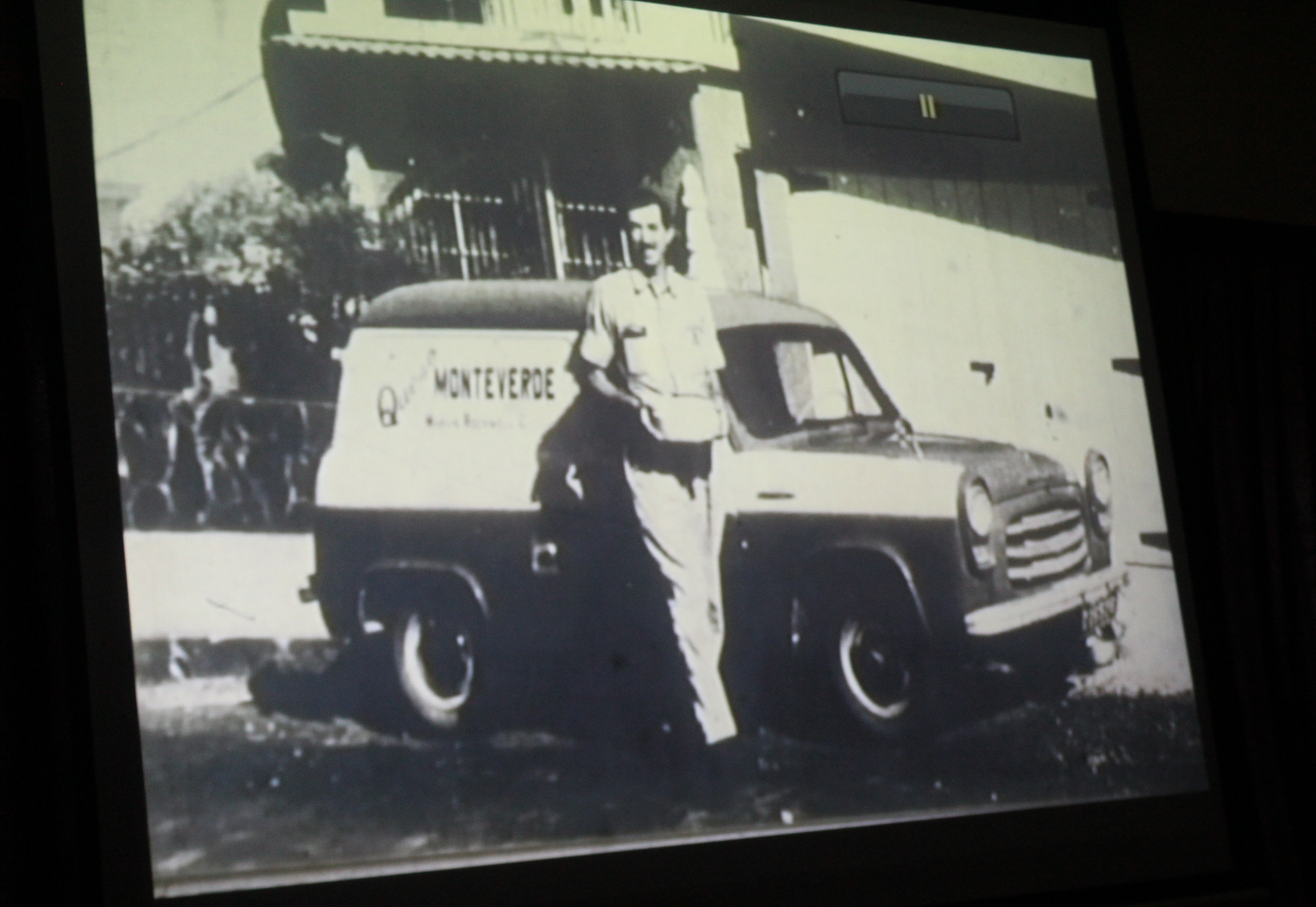
IMG_8928

The first cheese deliveryman. Photo from the factory tour.

Not too many of the original families remain in the area, but the Meeting House and the school are thriving, and the Quaker values of community cooperation and pacifism are strong. Probably the pioneers’ greatest legacy, though, is environmental stewardship. Although they did cut down a good swath of forest to make their farms, the Quakers set aside a large portion of their land in the high forest for protection. They called this The Watershed, and it now forms a part of the mostly virgin Cloud Forest Reserve.

For more on the history of Monteverde and the Quakers there, this site tells the story in more detail.


Posted in Elsewhere, Food | Tagged , , , | Leave a comment

Tantos arboles y yo sin frenos

One of the most popular touristy things to do around Monteverde is the zip line “canopy tour” of the rainforest. Many of you readers are probably old hands at the zipline thing, but this was our first time out. I was surprised that our normally cautious Alekka was up for it until I learned that she had mentioned it to her boyfriend , a young man who we believe lacks the fear gene. The BF was so enthusiastic about Alekka’s chance to fly through the rainforest that I think she couldn’t back out. Nothing like a little peer pressure to get you motivated.

The reason they call it a canopy tour is that the ziplines are high in the upper canopy of the rainforest. It’s a tour because it’s not just one zipline, but a whole series of them. Our tour, at an establishment called Selvatura Park, consisted of 15 lines covering a total of about 3 kilometers. The last zipline was a kilometer long.

This is how it went. They fitted us out with harnesses, helmets, and heavy leather gloves that we wore the whole time.

20140701_131711

Me, fully equipped

Our group of about ten people got on a van that took us to the starting place in the forest. We walked along a short trail to the first tower where we climbed the metal stairs to a platform.

20140701_130856

The little guy from Spain was ready for anything.

One at a time a guide clipped our harnesses onto the wheel mechanism, then sent us flying along the cable to the next platform, where we were received by another guide.


This slideshow requires JavaScript.

With one hand you hang onto the part of the harness you’re suspended from, and with the other you hold loosely to the cable above you so you don’t spin around. It’s quite fast and a little scary. You slow down naturally toward the end because of the dip of the cable – the lowest point is halfway along, after which your momentum carries you the rest of the way. If you’re going too fast, you can use your hand to put pressure on the cable to reduce speed but you have to be careful not to slow down too much or you’ll stop and get stuck out there – which is somewhat embarrassing. Several of the lines also have a catch near the end that slows you down. After the third or fourth line it’s more fun, when some of the scary wears off.

Here’s Andreas coming in for a landing:

Posted in Elsewhere | Tagged , , , | Leave a comment

Just like we imagined it

When my son Nik was in middle school, I helped him build a rainforest diorama for a science project. We fashioned exotic vine-draped trees out of dowels and clay and string and covered them with lots of hobby store moss. We stuck in plastic ferns and bromeliads. We shaped animals out of polymer clay. It seemed a little fanciful then, but now that I’ve seen the real thing, I think we got it spot on.

The only thing missing from that grade 7 project was the sound. In the daytime, the rainforest is all dripping water and the occasional troupe of monkeys, but at night the air is filled with the nocturnal cacophony of frogs, crickets, and other unseen creatures.

I know you all want to see the rainforest, so here are some pictures, but you’ll have to imagine the soundtrack. Sorry there are no animal photos, other than insects; the camera-shy fauna we saw included a gray fox, a coati, monkeys, toucans, bats, green vipers, tarantulas, and plenty of frogs.

This slideshow requires JavaScript.


Posted in Elsewhere | Tagged , , , | Leave a comment

Monteverde

After two nights in San José we took a bus up to Monteverde. This small town on the edge of the rainforest makes a good base for sampling a variety of tourist attractions.

We went to the frog habitat

This slideshow requires JavaScript.

and the insect museum

This slideshow requires JavaScript.

but the best show in town was at Amigos bar, where we watched Costa Rica win their World Cup game against Greece on the big screen (if you root for both sides, you can’t lose).

20140629_165533

The only problem with Monteverde is that it is… touristy. But I guess you can’t have it both ways. And the food is great!

This slideshow requires JavaScript.

Posted in Elsewhere, Food | Tagged , , | Leave a comment

San José

Now the real travels begin. This year’s summer vacation destination: Central America.

Our Lonely Planet guidebook didn’t have much good to say about Costa Rica’s capital city of San José. In a lot of ways it looked and felt like we were still in Los Angeles, but Andreas and I had a fun day bopping around the city. It gave us a chance to brush up our Spanish, get new sim cards, and generally get the hang of the place. While we were out playing, Alekka worked on a physics write-up back at the hotel. At an IB high school you do get homework in the summer. There are a few benefits to being a grown-up!

This slideshow requires JavaScript.

Posted in Elsewhere | Tagged , | Leave a comment

I love L.A.

We lived in Los Angeles for five years when I was in graduate school, and I just couldn’t wait to get out of there as soon as I passed my doctoral exams. I’m having a hard time remembering now what I had against it, because this time, I loved LA.

Through Airbnb we rented a cute Spanish-style house in Alhambra that was just big enough for all seven of us to do the stuff we like to do.

This slideshow requires JavaScript.

We saw the sights and ate at our favorite LA restaurants

This slideshow requires JavaScript.

We hung out with Andreas’s family, who cooked us more food

This slideshow requires JavaScript.

We saw some friends – who fed us some more

This slideshow requires JavaScript.

And the family threw me a big wonderful birthday pool party bash! With delicious Greek food, of course. I wish I’d taken a picture of Jim’s amazing zebra cake… not Greek at all, but just the thing when your family is visiting from Africa.

20140621_143031

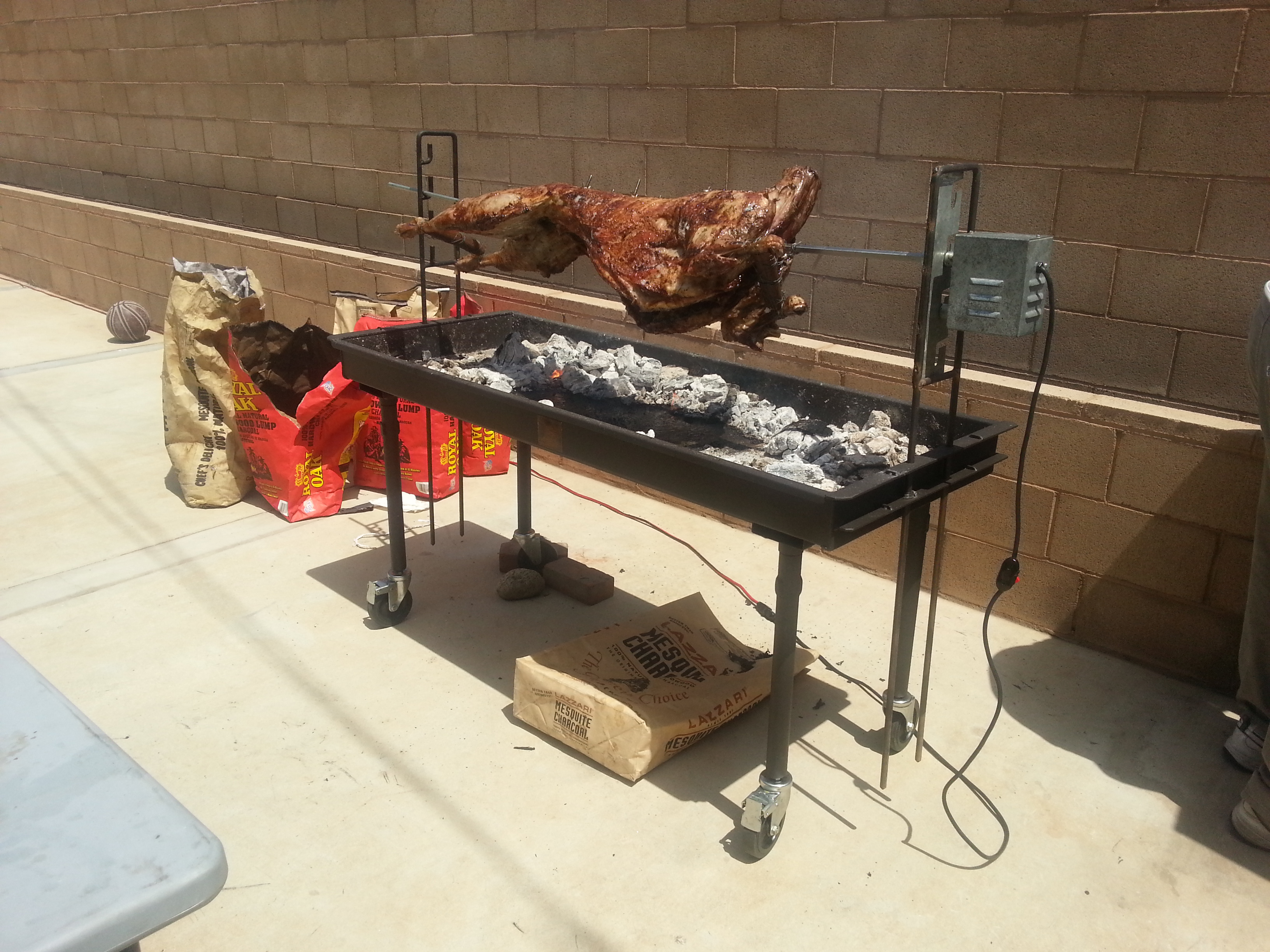
Roasting a whole lamb. Happy birthday to me!


I hope the food is not this good in Costa Rica or I’ll have to buy all new clothes.

Posted in Family, Food, USA | Tagged , | 2 Comments

CARE

A few months ago Alekka began an internship at CARE Ethiopia’s downtown office. Her job on Tuesday and Friday afternoons is to edit stories for publication in the NGO’s newsletter.

CARE’s projects in Ethiopia focus on teaching modern farming methods (OK, modern is a relative term) and on granting microloans for agriculture, with an emphasis on empowering females. Teach a (wo)man to fish and all that.

A lot of what Alekka is editing is kind of technical. She takes a text like this one by a non-native English speaker:

The Kebele level group is more responsible to identify model village value chain groups as well as to scale out into other same groups. On the other way, this group will act as linking point of village level FEMAs at Kebele level. On its meeting, a special supports will be facilitated from technical person.

And makes it more like this:

The kebele level group is responsible for identifying model village level FEMAs. The kebele level FEMA also provides support and acts as a linkage facilitator between village level groups. Technical experts offer special support at kebele level meetings.

But most of the pieces Alekka has been editing so far are personal success stories coming out of the rural projects. She occasionally runs a story by me before submitting it, and it has been quite interesting to learn more about rural life from this perspective.

One thing that is hard for me to wrap my head around is how little actual cash it takes to improve quality of life. According to the World Bank, the annual per capita income in Ethiopia is $410. Many of the people involved in CARE’s projects here are basically subsistence farmers who grow food for themselves. Any extra is bartered with neighbors or sold for a few birr in the village. Most people have never saved any money at all. This may sound like a carefree rustic existence, but when there is a drought, a bad crop, or if a worker is sick or injured, then it can mean disaster and starvation for the family – not to mention lack of education, health care, and all that stuff that takes cash to access. Many families have had to rely for a long time on international food aid to get through the lean times, and it is one of CARE’s goals to graduate families from this dependence.

The monetary loans that CARE provides in conjunction with USAID seem tiny – maybe the equivalent of $100 or $200 for a round (a crop cycle or the time it takes to raise a calf to marketable size) but combined with training these loans can make a tremendous difference in the lives of rural Ethiopians.

CARE teaches participants how to increase profits through efficiency and about using loans to invest in capital, as well as about the importance of saving money. CARE provides structure for community groups dedicated to decision making and leadership, where successful farmers can become teacher-leaders in the community.

The NGO encourages gender equity by enabling girls to get the education that increases their long-term prospects for earning and independence, and by increasing women’s status through economic power and community leadership roles. CARE discourages child marriage and FGM.

Our school year is almost over, but Alekka hopes to continue working for CARE via email during the summer.


Posted in Around Ethiopia, Ethiopia, Family | Tagged , | Leave a comment

Gonder, part 2

As promised, pictures from around town on our trip to Gonder.

This slideshow requires JavaScript.

Posted in Around Ethiopia, Ethiopia | Tagged , | Leave a comment

We have just passed into the realm of Gonder

Last weekend Andreas and I took an overnight trip to Gonder (also spelled Gondar) in northwestern Ethiopia. Alekka had already visited Gonder on a school trip so she opted to stay home and work on her Extended Essay.

Gonder was the capital of the Ethiopian empire from 1635 to 1855. The main sightseeing attraction is the Royal Enclosure, where Emperor Fasilidas built the first and largest of the city’s castles. His successors built a series of smaller castles and other structures nearby in the same compound.

This slideshow requires JavaScript.

Another impressive sight is the late 18th century church of Debre Birhan Selassie. The church is completely covered inside with paintings of saints, martyrs, and the Virgin Mary. This is where you find the famous angel face ceiling. Dervishes from Sudan destroyed almost all of Gonder’s churches in the 1880s but this one survived because a swarm of bees chased away the invaders.

This slideshow requires JavaScript.

We also visited Fasilidas’ Bath, a large deep pool with a palace in the middle of it. The pool is empty most of the year, but they fill it for the local Timket celebration in January.

This slideshow requires JavaScript.

More Gonder photos coming in the next post.

Posted in Around Ethiopia, Ethiopia | Tagged , | 2 Comments