Nosy Be and beyond, Madagascar part 2

In Madagascar, even the islands have islands. It’s very meta. I love islands. This is my kind of place.

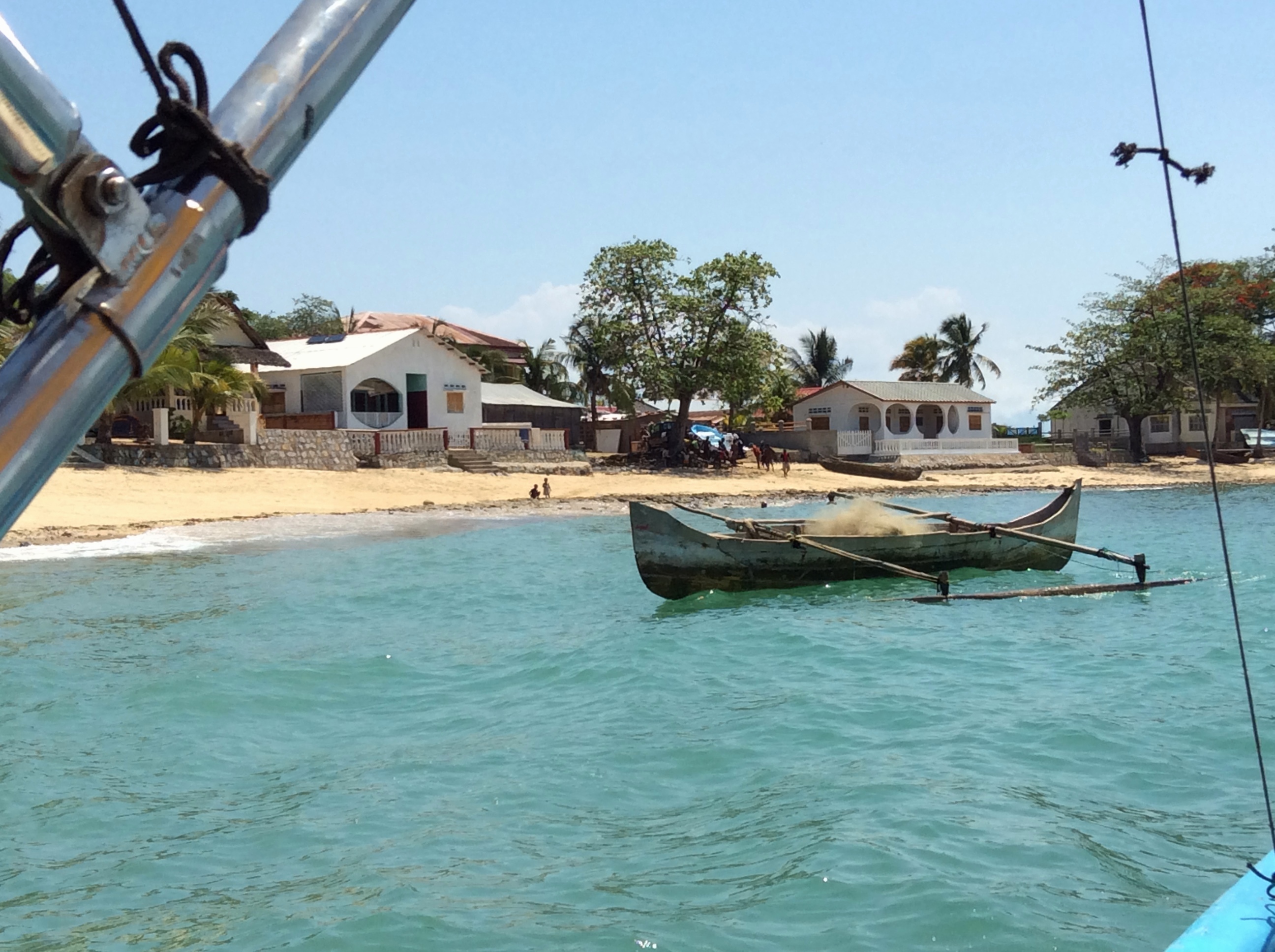
A small motorboat took me on the 40 minute journey from Ankify to the island of Nosy Be (it means the Big Island).

IMG_0608

On the way we stopped at this very small island to pick up a passenger.

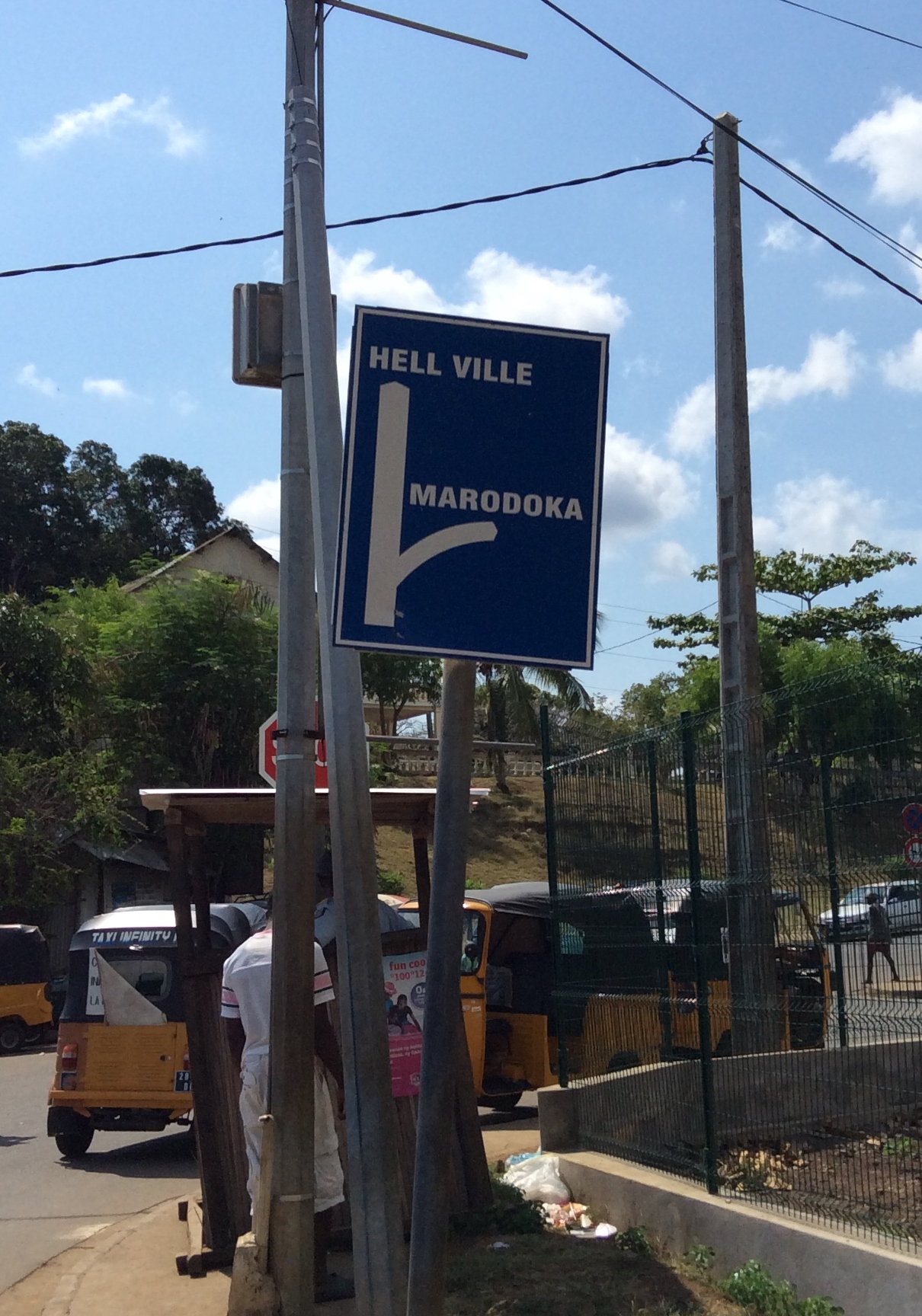
A new driver met me at the port town of Hell-ville.

IMG_0614

Where the road is paved not only with good intentions, but actual asphalt!

My hotel here turned out to be a beautiful beach resort on the north end of the island, away from the crowds in town (Nosy Be’s beaches make it a very popular destination, especially for French and Italian visitors.)

This slideshow requires JavaScript.

The next day was a group excursion to two even smaller islands, which turned out to be quite fun.

Our first stop was Nosy Komba, aka Lemur Island. This is where I would stay if I were to come back again. There is a busy fishing village with some rentable bungalows and restaurants – but no electricity or Internet. A local guide will walk you up to the “lemur park” which isn’t really a park, more like an area where they feed the lemurs to attract them for the tourists. On the way up the guide bought bananas for us to feed the lemurs with. I wasn’t going to – I’m sure it’s bad for the lemurs – but, well, the guide put a banana in my hand and I did it anyway. There are tortoises, snakes and chameleons here as well, which the local people catch and then periodically release when they catch new ones.


This slideshow requires JavaScript.

Our last stop was Nosy Tanikely (the Small Island). This uninhabited island has a brilliant white sandy beach and crystal clear water. I went snorkeling and saw all kinds of colorful fishes as well as a variety of clams and many types of coral. In the afternoon the tour operator fixed us a delicious seafood lunch. Then more snorkeling before we reluctantly began the journey back to our hotels, sunburned but happy.

This slideshow requires JavaScript.

Posted in Around Africa, Islands | Tagged , , , , | 3 Comments

Malagasy mega-slideshow, Madagascar part 1

I am trying to see as much of sub-Saharan Africa as I can during my last year in Ethiopia, so with that in mind I decided a couple of months ago to spend the week-long October break in Madagascar. Andreas’s holiday and mine didn’t coincide this fall (we’re teaching at different schools); he spent his vacation on Ikaria, trying to resolve some legal issues while soaking up the last of the gorgeous Greek summer sun. Then Alekka signed up to go on ICS’s annual Spanish language trip to Salamanca. So it was to be a solo excursion. But that’s okay, I like to travel on my own and I don’t often get the chance.

I bought a copy of Lonely Planet’s Madagascar when we passed through the Dubai airport in August, and I booked my round-trip ticket to the island early for a good price. But this fall I was very busy at work, and when I finally got around to looking at the guidebook, it soon became apparent that my usual on-the-fly planning method might not work so well for this trip. The book advised against renting a car, and also warned that public transport is extremely slow. Apparently I was going to have to organize 4×4 drivers, local guides, lodging, boat transfers, and internal flights ahead of time of I wanted to see very much in the eight days I had. What to do? After a little soul-searching I did a thing I’d always thought I never would: a week before the break, I called a tour company and asked them to plan me a holiday in northern Madagascar.

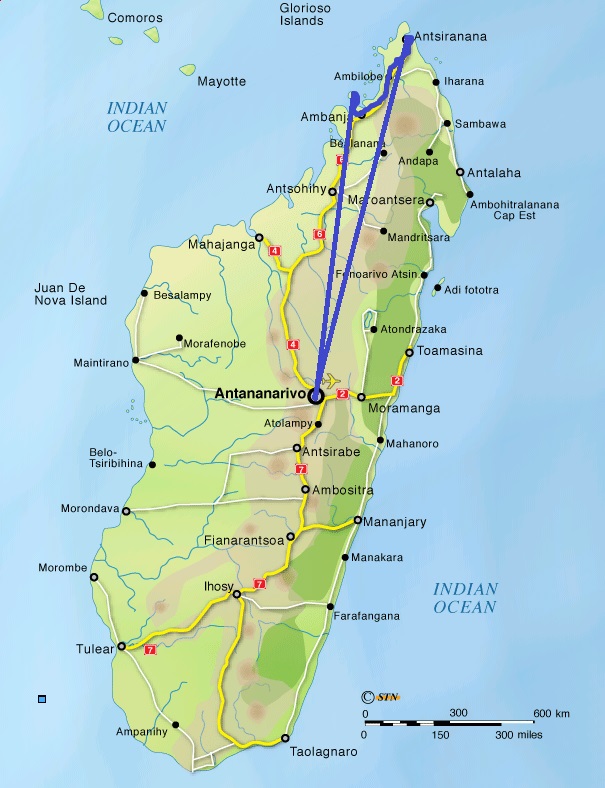
madagascar map with route

As you can see, Madagascar is huge. I only saw the capital and the parts along the squiggly blue line in the northwest.

It was a private tour, just me and my guide, so there were no chartered buses full of fanny-packing Americans, no colored-umbrella-wielding guides, no group tables at restaurants with menus printed in four languages –unpleasant images that the word “tour” has always conjured up for me. It turned out to be a great choice. I would do it again.

My trip started with an afternoon in the capital city of Antananarivo.

This slideshow requires JavaScript.

The next morning started early with a 6am flight to Antsirinana (aka Diégo-Suarez) in the north. I visited Three Bays and took a walk around the city.

This slideshow requires JavaScript.

The next day began with a visit to Amber Mountain Park. I walked on quiet paths through the forest to see waterfalls, chameleons (who will get a blog post of their own in a couple of days), and exotic trees. Afterwards I had a late lunch in a small restaurant outside the park. I spent the night in a lovely lodge with an excellent restaurant in the countryside outside of Ambohitra (aka Joffreville).

This slideshow requires JavaScript.

The next day began with a long drive south to Mahamasina. This, by the way, illustrates why it takes so long to get around on the island:

On the way we stopped to look at Les Tsingys Rouges, unusual sandstone rock formations.

This slideshow requires JavaScript.

The afternoon was spent hiking in Ankarana National Park. The main attraction here is the tsingy. These are gray volcanic rock, sharp and jagged – quite different from the red tsingy I’d seen in the morning. I also visited a huge, pitch-dark bat cave. At the end of the hike I saw my first lemurs but it was too late in the afternoon and they were swinging around too high up in the trees for photos.

This slideshow requires JavaScript.

The next day was a drive to Ankify on the coast; on the way we stopped at a plantation where they grow vanilla, pepper, and cacoa.

This slideshow requires JavaScript.

To be continued…

Posted in Around Africa, Islands | Tagged | Leave a comment

Penguins?

I didn’t know much about what there was to see in Africa before moving here. In fact I didn’t know much about Africa at all (if that sounds like you, too, take a look at this video. You might be surprised) .

I did have a pretty good sense of what the countries of North Africa were like – Egypt gets a lot of air time. But now I know what there is to see and do in South Africa (wine country, Big 5 safaris), Tanzania (Mt. Kilimanjaro), Djibouti (whale sharks), Zanzibar (spices and beaches), Rwanda (gorillas), Uganda (more gorillas), Zambia (Victoria Falls), Namibia (desert), Mozambique (beaches), and Kenya (more beaches, more safaris). Then there’s the whole western part of the continent. Sadly that’s not a good place to go at the moment but someday I’d like to visit Ghana, Liberia, and Senegal.

Next week I’m going to Madagascar for my October break. And we all know what’s there, right?

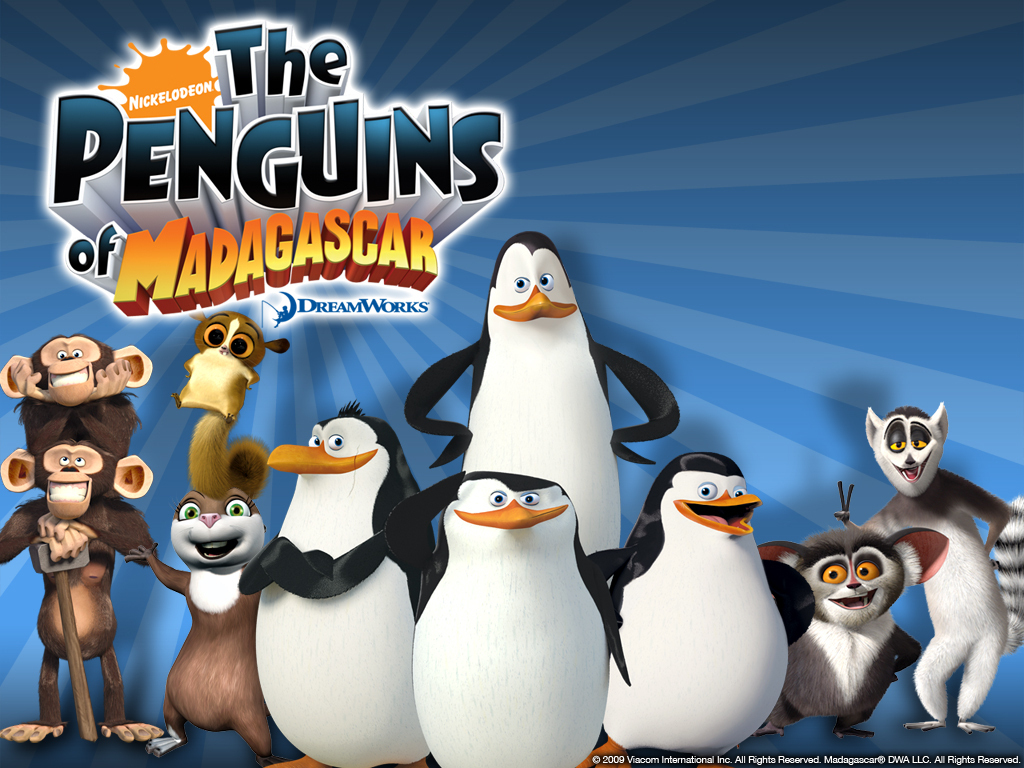
penguins of madagascarMaybe not. Stay tuned, and we can be surprised together. (Psst…  did you know that in the country of South Africa they really do have penguins?)

Posted in Around Africa, Flora and fauna, Islands | Tagged | Leave a comment

At least I’m consistent

I knew it would happen eventually when I saw it on a friend’s Facebook page. Now it’s already been a few weeks since a former NMHS colleague invited me to share my ten favorite books, and I’ve been tagged twice more since then. What can I say? I’ve been busy. But the task has been there at the back of my mind and I’ve actually been looking forward to identifying the titles that have meant the most to me over many years of reading.

I spent a bit of time putting my list together. I decided to consider only books I’d read as an adult – the ones I loved as a child will get their own list some other time. I liked how my friend Terry had annotated his books (it made me want to read them), so I did that too. I wrote it all up in a Word document. It was kind of long, so I thought I’d post it on Facebook as a note. I hadn’t posted a note in a long time. Funny thing, when I opened up the note function, I noticed a note I’d added five years ago: my ten favorite books.

Seriously, I have no recollection of posting that list. In 2009 I included childhood reads, but if you take those out, all that remain are books that also made the new list with one exception: Atonement by Ian McEwan. I had just read that one in 2009 (yep, I checked my Goodreads account), and while I still consider it an excellent novel, it doesn’t make the top ten. Just goes to show you need to wait a while before you decide on “best evers”. It also reminds me why I should never get a tattoo.

So never mind about Facebook, that place where I post things and then forget all about them. I’m putting this on my blog where I hope it will stick a little better. These are my books, as of 2014, in no particular order (drum roll, please):

Mastering the Art of French Cooking by Julia Child

I’ve loved cooking from the time I was first allowed to help out in the kitchen. My father presented me with a copy of Julia Child’s book before I went off to college in 1977, and that volume (now wrinkled and stained from years of active service) provided the foundation for many successful dinner parties over the years. One Berkeley summer I even tried cooking my way all the way through it, as Julie Powell later did in the Julie/Julia Project – unlike Julie, I didn’t get to the end, but I learned a lot in the attempt.

Mrs. Mike by Benedict and Nancy Freedman

Why do I like this book so much? I guess it has something to do with my interest in all those pioneer ancestors. I spend a lot of time poring over sketchy wilderness settlement histories, census records, gravestones, and other dry data trying to piece together the stories of my people. This book vividly depicts the joys, hopes, and loves of a pioneer woman and the undying optimism that makes a life of hardship seem like the only reasonable choice.

Uncle Tungsten by Oliver Sacks

There aren’t all that many memoirs written by former weird and lonely kids. This one, by one of my favorite scientist-authors, recounts a childhood that was extraordinary and unique. And having been a weird and lonely kid myself, it resonates. Too bad my parents never bought me that chemistry set I wanted.

The Darling Buds of May (Pop Larkin Chronicles) by H. E. Bates

This is my comfort read, actually a series of short novels which I own as a bound volume. I love the 1950s English countryside setting, and I adore the Larkin family characters. Those familiar with the books might be slightly appalled by this statement, but I look to the Larkins as role models. These people have got their priorities straight. Love, laughter, abundant food and drink, fun, family, friends – essential. Keeping up appearances and paying your taxes – not so much. I want this to be my family. Come to think of it, it’s a lot like my family in some ways.

The Selfish Gene by Richard Dawkins

This book was recommended to me in college by my physical anthropology professor Vincent Sarich. It’s well argued and entertaining, and for me it explains a lot about human behavior. Just because it’s unsavory and politically incorrect doesn’t necessarily mean it’s wrong.

Harry Potter series by J. K. Rowling

The first Harry Potter book came out when my sons Nik and Kosta were 9 and 10 years old. At that time I was working in a book store, and one day on my lunch break I read a Publisher’s Weekly article that said the UK was going wild over this new children’s book by a previously unknown author. I checked the shelves and found we had just received two hardcover copies of Harry Potter and the Sorcerer’s Stone. I bought one to read aloud to the boys. The rest, as they say, is history. My family eagerly anticipated the release of each subsequent book, sharing the excitement of the unfolding story together over the next nine years. And now I wish I’d bought both copies.

Let’s Go Europe (1978 edition)

After our first year at Berkeley, my boyfriend and I donned our new hard-framed backpacks and took off for a two month journey through western Europe. Our copy of Let’s Go Europe, purchased at the university book store, was our trusty companion as we navigated the trains, youth hostels, museums, beaches, parks, and budget restaurants of that thrilling summer of ultimate freedom.

Dreams from my Father by Barack Obama

While there are many books that have helped shaped my thinking, I can point to this book as one that directly influenced my behavior. When Barack Obama announced his candidacy in 2007, I didn’t know what to make of him. Hilary Clinton was a known entity but to me Obama was a mystery. After reading his memoir I felt I understood quite literally where he was coming from. As a result I have great admiration for Obama’s perseverance, intelligence, and integrity. I have tremendous faith that he has the best interest of the American people at heart. So I voted for him, both times.

To Kill a Mockingbird by Harper Lee

One book per month, I work my way through a long list of “should have read” titles. I didn’t get to this one until 2011 but it instantly became a favorite. A neatly constructed plot, sympathetic characters clearly drawn, and such a satisfying sense of justice – it is a perfect novel.

Cutting for Stone by Abraham Verghese

I don’t often read a book more than once – there are so many I want to read, and I’ll only get through half the number if I start rereading them. But I liked this one so much the first time, when I read it as a book club choice back in Oregon, that I had to see how it looked to me after moving to Ethiopia. It was absolutely worth it – the story was still engaging, plus I had the added fun of recognizing the scenes, the settings, and even some of the people (true fact: John Melly, a minor character in the book, was a real person who is buried in a little cemetery on the UK embassy grounds).

Every post needs some pictures, so here are some photoshopped images I put together as part of our celebration of International Literacy Day this year. These are some of my colleagues sharing their own favorite books.

This slideshow requires JavaScript.
Posted in Books, International Community School | 2 Comments

This is my tribe

Among the many great benefits of working at an international school is the opportunity for professional development. I’m lucky to work at a school that provides a generous annual allowance for each teacher to spend on training in his or her area of specialization.

My first year at ICS I attended a three-day workshop for IB librarians in South Africa. Being new to IB, that was just what I needed that fall. A bonus was that the session ended just as our October break began, so Andreas and Alekka were able to fly down to Johannesburg to join me for a week-long safari in Kruger Park.  Last year I used my PD funds to go with a couple of other teachers to an educational technology conference in Hong Kong – very learn, much fun, such shop.  Wow.

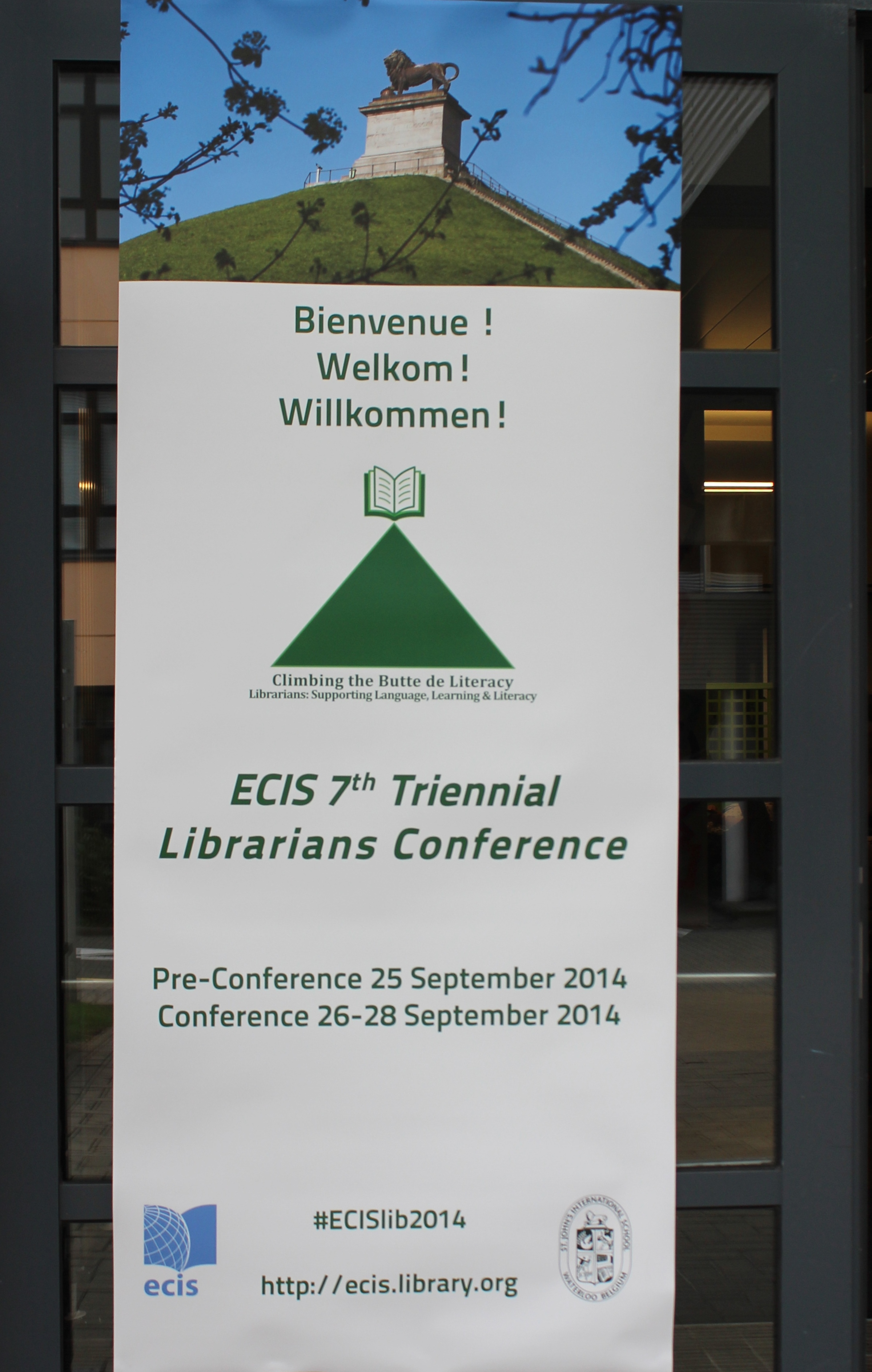
This year my library colleague Martha and I spent our allowance on the European Council of International Schools’ Librarians’ Conference in Waterloo, Belgium.

IMG_1137

Climbing the Butte de Literacy… that’s a Waterloo reference.

Triennial. Like locusts the librarians swarm in Europe once every three years; Brussels and Waterloo were buzzing. I am sure you can imagine. Seriously, though. It was inspiring to hear all the latest about cataloging, weeding, Extended Essay support in the IB, the maker movement, and all that good library stuff. Martha and I came back to Addis recharged and full of new ideas for our own library.

This slideshow requires JavaScript.

Posted in Elsewhere, Teaching | Tagged , , | Leave a comment

Weekend in Brussels

I just noticed I never posted pictures from my my trip to Brussels in September. I was there for a librarians’ conference which kept me pretty busy but I did have a couple of half-days free to walk around the city. Some things I saw:

This slideshow requires JavaScript.

All that walking around makes a person hungry:

This slideshow requires JavaScript.

Manneken pis: an unusual icon for a major European capital, but whatever:

This slideshow requires JavaScript.


Posted in Elsewhere | Tagged , | Leave a comment

BMOC

One school day a couple of weeks ago, the first email of the morning was marked with a red “priority” arrow and contained this information from our director:

There is a large adult male baboon on the loose in our neighborhood. He has been seen at the Dutch and Canadian embassies … If the baboon is spotted on or near our campus(es) during the school day we will go into “lock down” mode with a schoolwide alarm … If you see the baboon please call a principal or your supervisor immediately to tell us where he is!

Well now that’s something different.

The Big Monkey on Campus didn’t make an appearance that day, but he seems to favor the neighborhood. At the (really wonderful) Learning2 teaching/technology conference hosted at ICS this last weekend, announcements at the first morning orientation included lockdown instructions in the case of a baboon sighting. Much hilarity ensued, not to mention a torrent of #baboon tweets and retweets. You know you’re in Ethiopia when…

This morning the lockdown alarm went off. An unscheduled lockdown in a school is a reason for deep concern. After battening the hatches, it took us a few minutes to put the pieces together while we hid out in the fiction section (along with a crew of grumpy parents, some teaching assistants, and a whole class of uncharacteristically silent 1st graders).

An announcement came over the PA informing us that that bad boy had indeed shown his hairy face on ICS property. Out the high-set windows we could see a guard up in a tree. Then we heard loud scuffling on the roof. My colleague Martha, who had been reading a book to the kids, read a little louder. The secondary roof has skylights. A baboon crashing through the glass ceiling would have given me a story to dine out on for the rest of my life, but it might not have been so great from a first grader’s perspective. We secured the elementary library and moved in there.

While Martha read another story and did puzzles with the little guys, I was watching my email and twitter feed (I might not be the best person to rely on in a crisis) :

Attention All Staff:
Be informed that the baboon has been cited [sic] on the library roof. Please continue your normal class and activities and KEEP DOORS LOCKED. We are in Lock down mode!

I was a little bit worried about what the guards were going to do if they found the baboon. In addition to ICS guards, we have federal guards here who are armed with machine guns. But we also have our very own baboon whisperer, Mat Pines, on full time staff now (as a teacher, not a primate hostage negotiator, but still). I was pretty sure he wouldn’t let anyone hurt a baboon. Then a teacher told me that Mat’s wife is also experienced in these matters. She has tranquilizers and a blow dart gun, and she’d been tasked with sedating our simian intruder. But just when it seemed things might get really interesting, we got another message.

Attention All Staff:
Thank you all for your quick response. We have got a confirmation that the Baboon is no longer on campus. Everyone is advised to remain alert when going about your activities as the Baboon may be around the neighborhood.  

Free to roam another day.

JpegPhoto, with just the teensiest bit of computer enhancement, by ICS IT guy extraordinaire Mr. John Iglar

Posted in Addis Ababa, Animals, International Community School | Tagged , | 2 Comments

Bale Mountain Lodge

At a party our first year in Addis I met a British man named Guy who told me about an upscale eco-lodge he was building in Bale Mountain National Park (pronounced with two syllables BAH-lay, not like a bale of hay). At that time Guy hoped the lodge would be ready in about six months. but there were all sorts of obstacles that delayed progress.  I kept an eye on the website, though, and finally last year I saw that Bale Mountain Lodge was open for business.

This is my last year in Ethiopia. The Bale mountain park has been pretty high on my list of places to see before I move on, and the four-day Ethiopian New Year holiday in September seemed like the perfect time to make the trip. I booked us in to the lodge for the weekend.

The park is about 400 km southeast of Addis. Road conditions are such that it took pretty much all day to get there by car. But Ethiopian Airlines is opening a new route to the nearby town of Goba, so if you should decide to go you can now fly part of the way and cut the driving time down to a couple of hours. However you would miss a lot of good scenery if you did that.

This slideshow requires JavaScript.

The lodge looks rustic but it’s very comfortable

This slideshow requires JavaScript.

There are a few rooms close in to the main building that would work well for people with limited mobility (one room is even fully wheel-chair accessible, a rarity in Ethiopia). The rest of the rooms are individual cabins scattered around the grounds. Our cabin was called “Treehouse.”

This slideshow requires JavaScript.

The lodge operates on the all-inclusive plan; every day Guy makes sure you are all set up with one of the three on-site guides to do the things you are interested in

IMG_0574

Our first morning we explored the area around the lodge on foot.

This slideshow requires JavaScript.

In the afternoon Guy took a group of us to see “the hydro.” One of the many features that makes this an eco-lodge is the micro-power plant that uses stream water to provide all the electricity for the property. It is a micro-marvel of civil engineering.

This slideshow requires JavaScript.

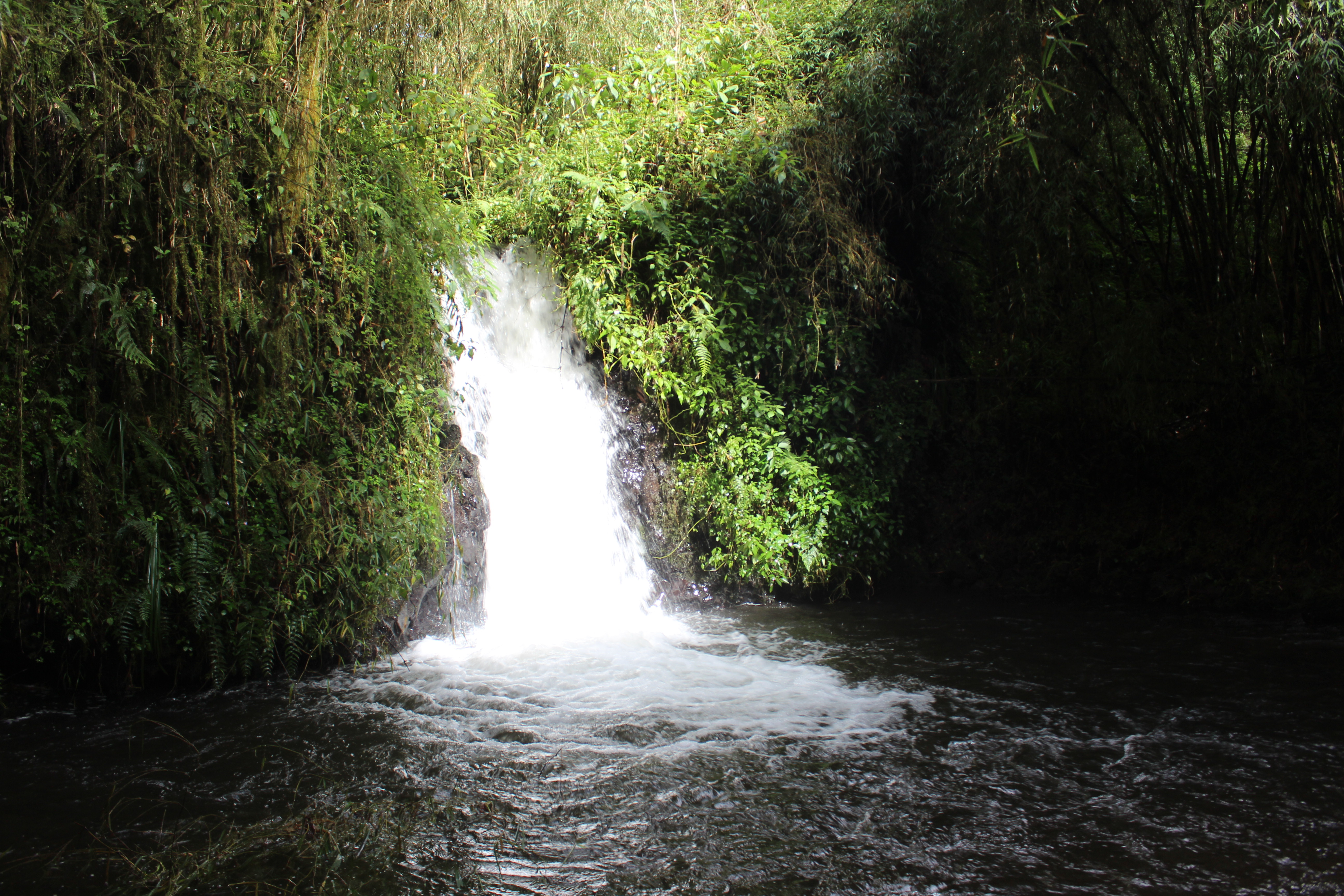
Guy’s next project for the lodge is to build a sauna at the edge of this natural waterfall pool.

IMG_0893

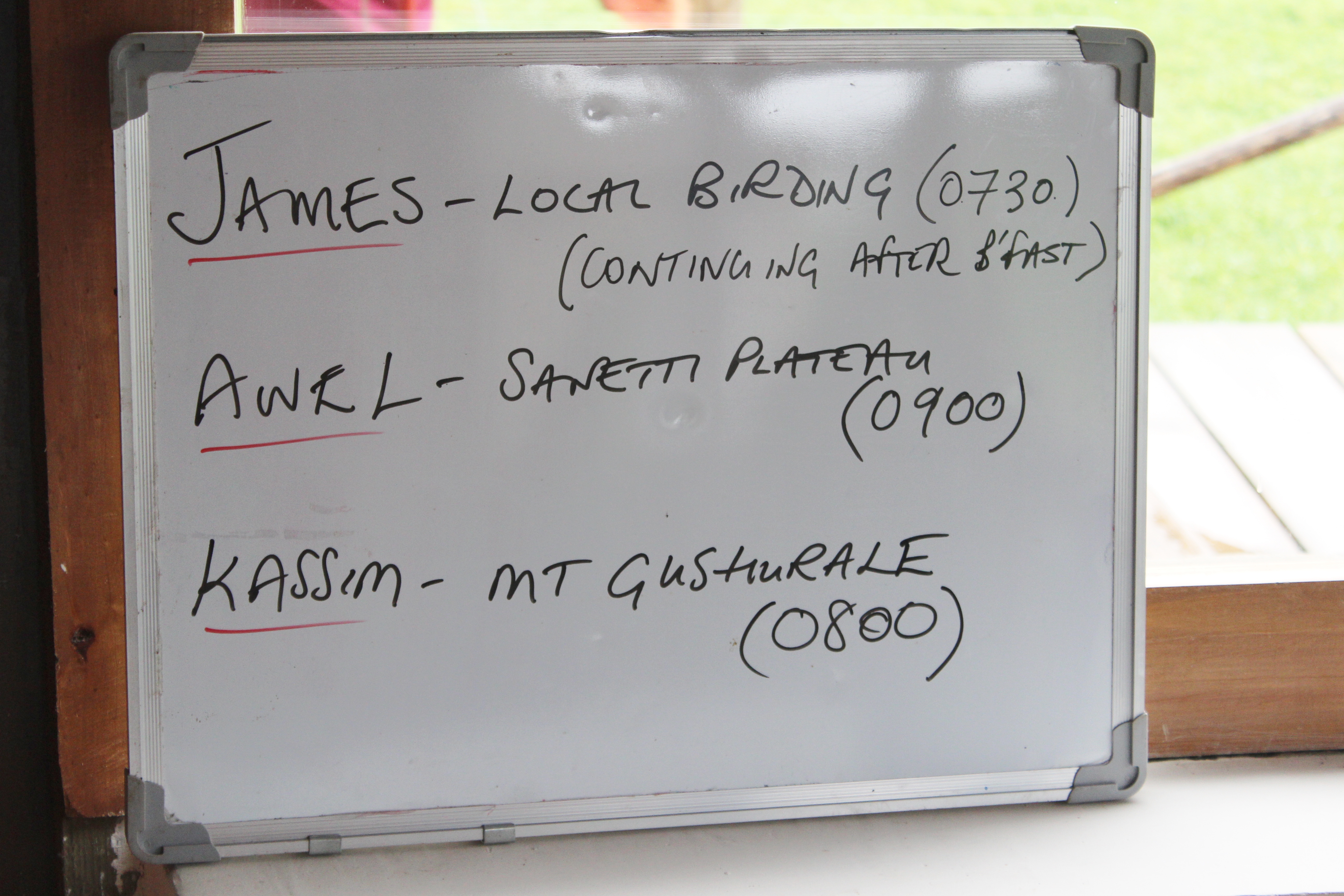
James, the resident naturalist at the lodge, is an expert on the local flora and fauna. He runs a bird-banding (For British English speakers, that’s bird-ringing) program at the lodge. When there are children visiting, he lets them help.

This slideshow requires JavaScript.

There are plenty of other possible activities that we didn’t have time for in our weekend, including climbing the impressive mountain that dominates the view from the lodge’s windows; visiting a local village; and bird walks.

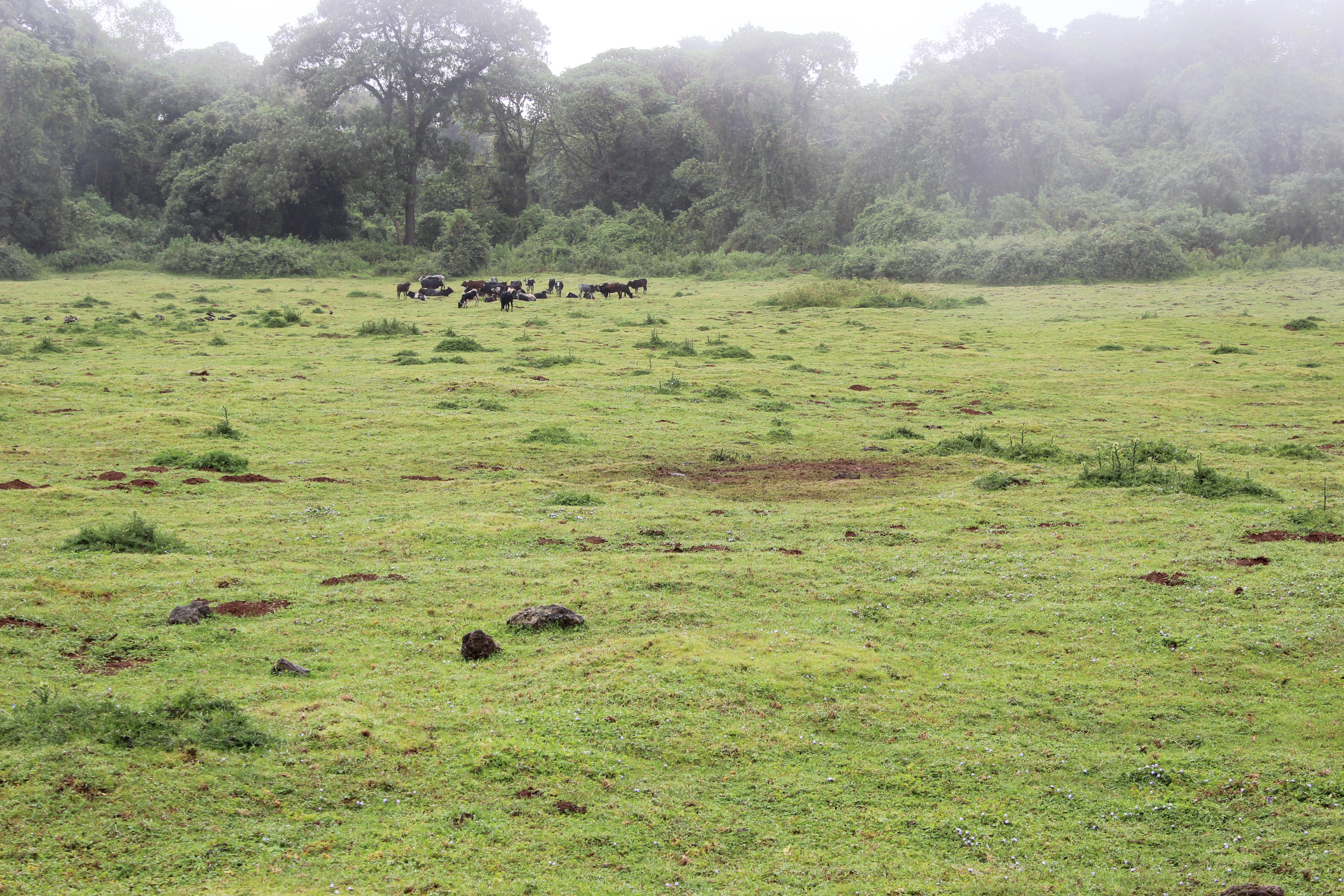
And then there are the unplanned attractions. Two nights before our arrival, guests were treated to the sight of three Ethiopian lions killing and eating the horse that one of the guards had left to graze on the lodge’s meadow (the guard’s reaction: “that’s nature.”)

IMG_0579

That reddish splotch in the middle is where the horse used to be. After the lions came the hyenas and the vultures.

On our last night at the lodge the lions made a reappearance; too far away to take a photo in the evening light, but I can say I saw them.

Posted in Animals, Around Ethiopia, Ethiopia | Tagged , | Leave a comment

A day on the Sanetti Plateau

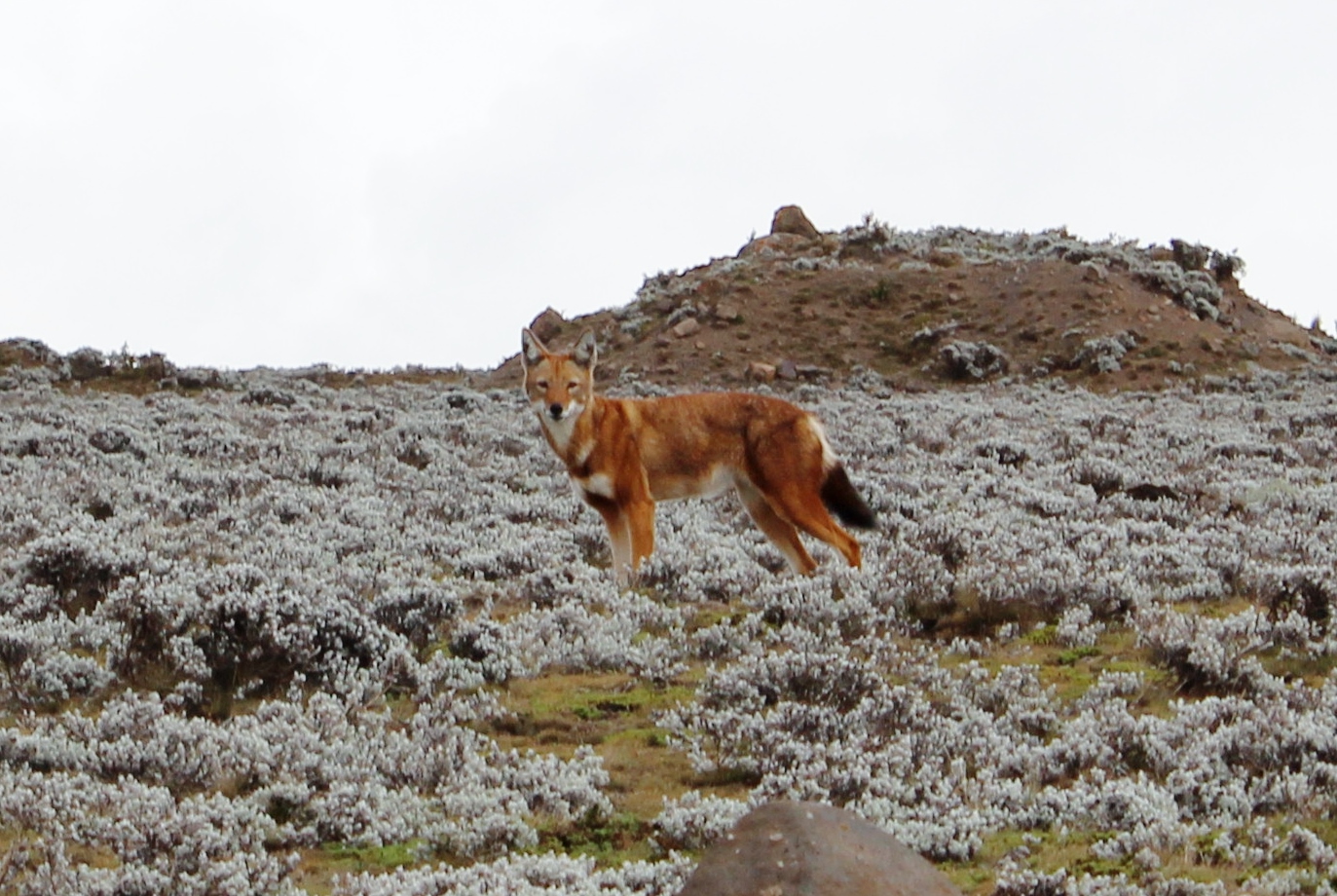
We wondered whether we would see any Ethiopian wolves on the plateau. There are very few of them left in the world. Last year the count for this endangered canid was about 500 over six small regions, one of which is the Bale Mountains. This year their numbers are up to 550 – lots of puppies, and (perhaps) an indication that the Ethiopian Wolf Conservation Programme‘s efforts are having an effect. The biggest threat to the wolves is rabies and and other diseases spread by domestic animals. It is a national park, but people and their dogs still live nearby, and in ever-increasing numbers.

IMG_0869

It turned out to be an excellent day for wolf-watching: we saw not just one, but nine of them. The last few days have been wet, and perhaps they were out today in full force to hunt in the better weather. The afro-alpine plateau is teeming with hares, giant mole rats, and other highland rodents – in fact, according to our guide Awel, this area has has one of the highest concentrations of rodents in the world – and that’s what the wolves like to eat.

Here are a few photos of the fascinating landscape and its inhabitants.

This slideshow requires JavaScript.


Posted in Animals, Around Ethiopia | Tagged , , | 2 Comments

The little Hilux that could

I don’t have a car right now, so I hired a driver with a Toyota Land Cruiser for a four-day weekend trip to the Bale Mountains. Thursday’s drive to the lodge went well. But this morning we took the car out with a guide to try to see the wolves that live on the Sanetti Plateau.

As we head up over the hill we are reminded that yes, it is still the rainy season in Ethiopia.

IMG_071730 minutes from the lodge, while trying to avoid a particularly sloggy bit, we find ourselves mired with two wheels off the edge of the road.

IMG_0697

Our driver Gedion and guide Awel use rocks and a shovel to try to get us unstuck, to no avail.

Gedion and Awel try various ways to get us out but only succeed at digging us in deeper. No phone service or 3G out here, so we can’t call back to the lodge.

Most of the traffic is on horseback or on foot, but occasionally there’s a motor vehicle. We wait until we finally hear an engine coming up the other side of the hill. It’s a big Isuzu truck!

This slideshow requires JavaScript.


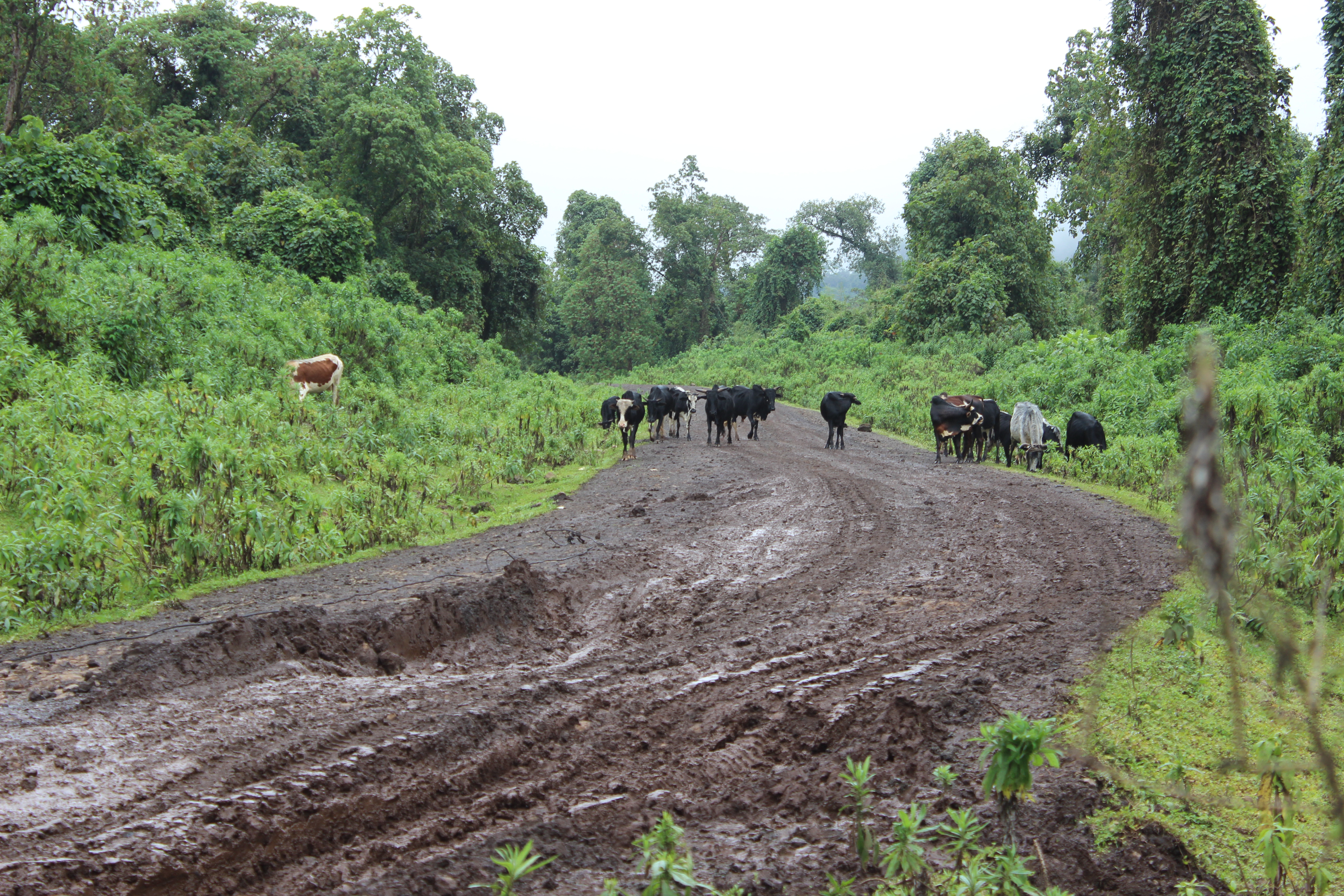
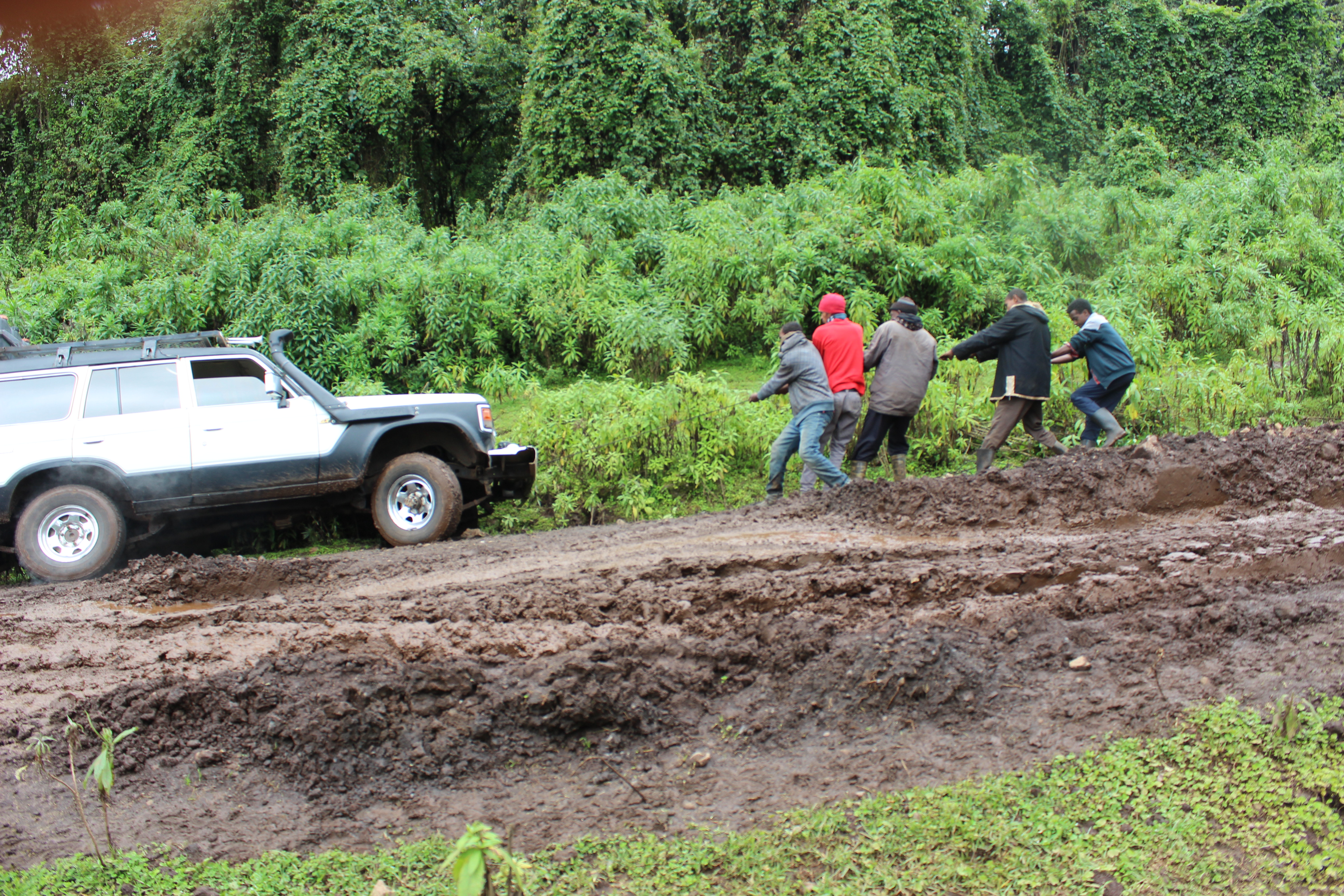
People herding horses and cattle stop to watch. Gedion musters the men and boys to help us while the animals stand around.

This slideshow requires JavaScript.
They try pushing.

IMG_0730

They try pulling.

IMG_0719

Alekka is no help at all (neither am I, but someone has to document the experience, right?)

IMG_0711

Finally here comes another vehicle. It’s a Hilux!

IMG_0725

Please Mr. Toyota Hilux, won’t you help us get over the mountain so we can see the Ethiopian wolves?

Why, yes, little Land Cruiser! Just attach your winch cable and I’ll get you out of there.

IMG_0737

Cows tripping over the cable – also not helping.

IMG_0727

IMG_0740Hurray! Thank you, little Hilux! Tips are dispensed all around, and we are on our way. Let’s go see some wolves.


Posted in Around Ethiopia, Ethiopia | Tagged , | 1 Comment